
Our canine companions, with their unwavering loyalty and playful antics, bring immense joy into our lives. However, beneath their fluffy exteriors lies a complex network of skin and fur that can sometimes become vulnerable to a variety of conditions. Common skin problems in dogs are a prevalent concern for pet owners, ranging from irritating allergies to persistent infections. These skin ailments can be incredibly uncomfortable for our furry friends, often leading to excessive scratching, hair loss, and even behavioral changes.
Common Skin Problems on Dogs . Understanding the underlying causes of these skin issues is crucial for implementing effective management strategies, ensuring our dogs enjoy happy, healthy lives. From the environmental culprits that trigger allergic reactions to the microscopic organisms that can cause infections, the world of canine dermatology is vast and fascinating.
This exploration will delve into the common skin conditions that affect our beloved companions, providing insights into their causes, symptoms, and effective management techniques. It will shed light on the importance of preventative measures and prompt veterinary care in maintaining a dog’s healthy skin and coat. Ultimately, the goal is to empower pet owners with the knowledge necessary to recognize the signs of skin problems and take proactive steps to ensure the well-being of their furry friends.
Allergic Dermatitis: A Canine’s Sensitivity to the World

Allergic dermatitis is a widespread skin condition in dogs, characterized by intense itching, inflammation and skin irritation. It’s a complex response triggered by the dog’s immune system reacting excessively to various allergens present in their environment. These allergens can encompass a vast array of substances, from pollen and dust mites to certain foods and insect bites. The prevalence of allergies in dogs has a curious connection to modern lifestyles; increased exposure to manufactured products and a shift toward urban living seemingly contribute to a rise in environmental sensitivities. Understanding the causes and triggers of allergic dermatitis is paramount to effectively managing the condition.
Unraveling the Triggers: Environmental and Dietary Allergens
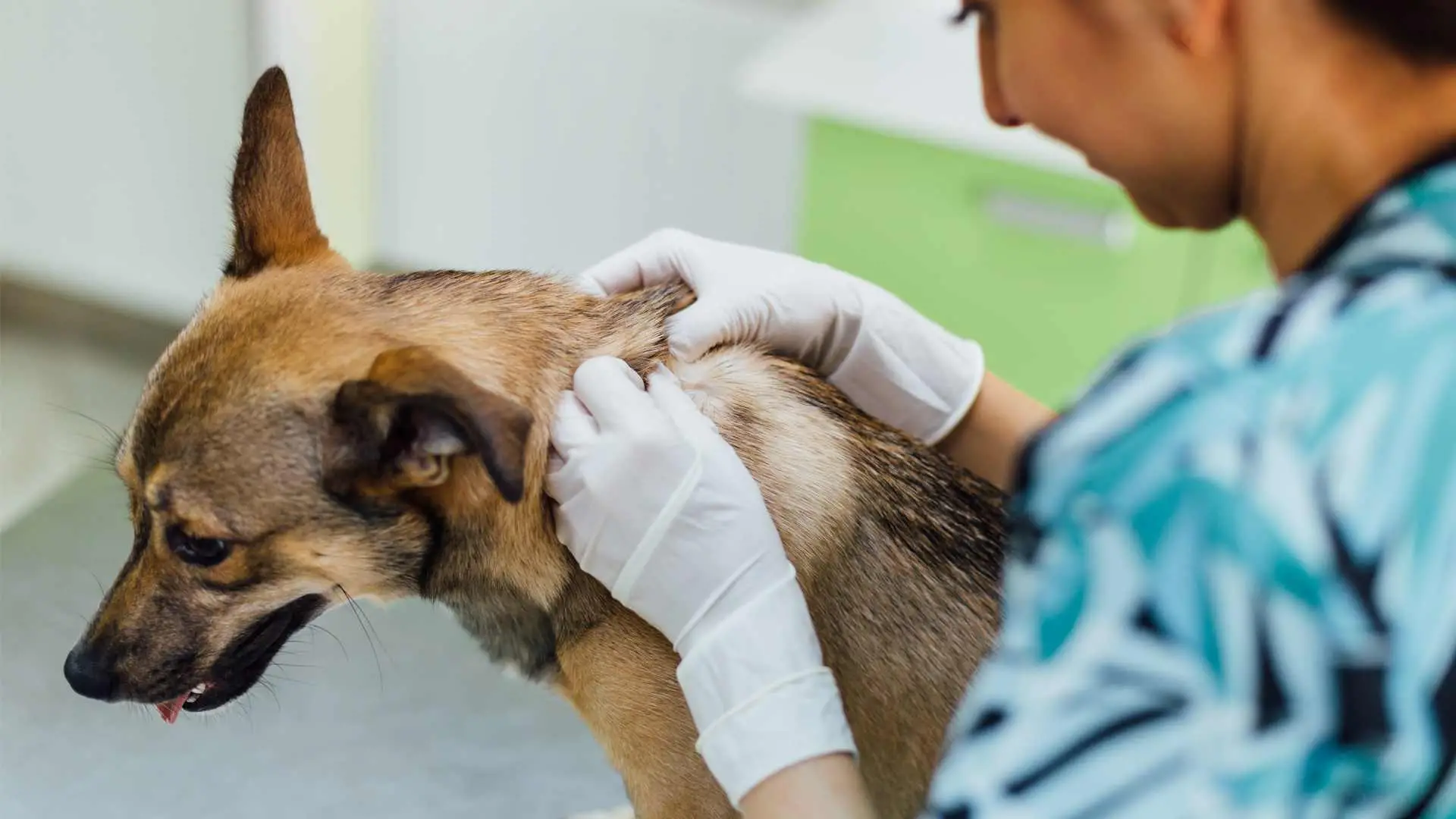
The intricate mechanism of allergic dermatitis involves the immune system’s inappropriate response to allergens. When a dog encounters an allergen, their immune system identifies it as a threat, launching a defensive reaction. This reaction manifests in the release of histamine and other inflammatory chemicals, leading to the characteristic symptoms of itching, redness, and skin lesions.
Environmental allergens, such as pollen, dust mites, and mold spores, frequently trigger allergic reactions. Imagine a dog enjoying a leisurely stroll in a park, encountering clouds of pollen billowing in the air. Their immune system may mistakenly perceive these harmless pollen particles as invaders, producing an excessive inflammatory response. This response can lead to generalized itching, particularly on the paws, belly, and face.
Similarly, certain foods can act as potent allergens for dogs, triggering a cascade of immune responses that cause gastrointestinal and skin issues. Some commonly reported food allergens include beef, dairy, chicken, and wheat. Just as with environmental allergens, the body’s immune system can overreact to these food proteins, leading to symptoms like chronic itching, skin rashes, ear infections, and digestive upset. With growing awareness, pet owners are increasingly looking toward specialized diets to manage these allergies, highlighting the connection between a dog’s diet and its dermatological health.
The Ripple Effect of Itching: Secondary Infections and Behavioral Changes
Excessive scratching, a hallmark of allergic dermatitis, can cause skin damage and lead to secondary bacterial or yeast infections. When the skin barrier is compromised due to constant scratching, it becomes more susceptible to infections. This creates a vicious cycle, where the initial allergic reaction leads to secondary infections, which in turn exacerbate the itching and inflammation.
Furthermore, the relentless itching associated with allergic dermatitis can significantly impact a dog’s behavior. Imagine a dog struggling to find relief from the incessant itching, constantly scratching, biting, and rubbing against surfaces. This constant discomfort can lead to anxiety, frustration, and even behavioral issues such as restless sleeping, self-mutilation, and aggression. The emotional and physical distress caused by allergic dermatitis can severely impact a dog’s quality of life.
Common Skin Problems on Dogs – Navigating the Treatment Path: Managing Allergic Dermatitis
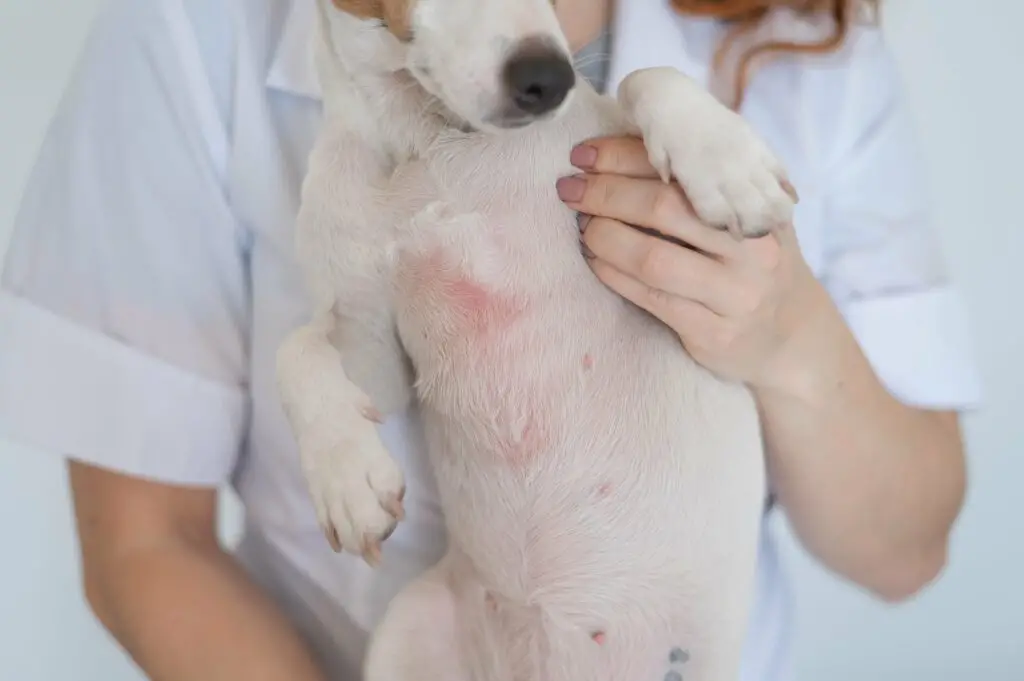
Managing allergic dermatitis often involves a combination of approaches aimed at minimizing exposure to allergens and alleviating symptoms. Identifying and eliminating specific allergens through diet changes or environmental modifications is often a first step.
Veterinary interventions, such as medicated shampoos, antihistamines, and corticosteroids, can be instrumental in reducing inflammation and alleviating symptoms. These treatments aim to control the immune system’s response to allergens, bringing some respite from the discomfort. However, it’s crucial to work closely with a veterinarian to determine the most appropriate treatment plan for each individual dog, as long-term use of certain medications can have side effects.
Ultimately, managing allergic dermatitis effectively requires a comprehensive and individualized approach. By identifying and controlling triggers, implementing appropriate treatment regimens, and providing a supportive and nurturing environment, pet owners can significantly improve their dog’s quality of life and help them navigate this challenging condition. By understanding the complexities of this condition, we can equip ourselves with the knowledge needed to support our canine companions.
Yeast Infections: A Hidden Menace in Warm, Moist Environments
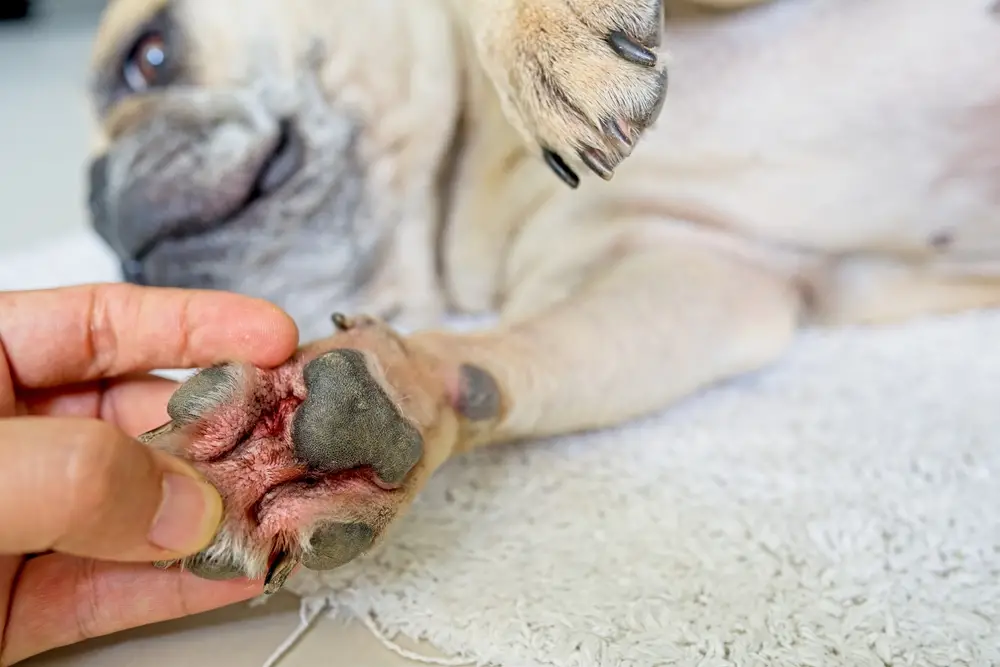
Yeast, a type of fungus, naturally exists on a dog’s skin in small quantities. However, under certain conditions, yeast can overgrow, leading to a frustrating and uncomfortable condition known as yeast dermatitis. These infections often lurk in warm, moist areas like skin folds, ears, and between the toes. Factors like excessive bathing, damp environments, and a weakened immune system can create an environment conducive to yeast overgrowth. Understanding the circumstances that promote yeast infections is key to implementing preventative measures and effective management strategies. Pet owners often unknowingly contribute to these conditions through bathing routines, creating a favorable environment for yeast to flourish.
The Perfect Storm for Yeast: Moisture, Warmth, and a Compromised Immune System

Yeast thrives in warm, moist environments, mirroring the conditions found in certain areas on a dog’s body. Think of the folds of skin around a dog’s neck or the moist environment within their ears. These areas provide an ideal breeding ground for yeast, leading to infections.
Excessive bathing, especially with harsh shampoos or frequent bathing, can strip the skin of its natural oils, disrupting the delicate balance of microorganisms. This creates a conducive environment for yeast to proliferate, causing irritation and inflammation.
Furthermore, a weakened immune system can increase a dog’s susceptibility to yeast infections. Dogs with underlying medical conditions, such as diabetes or Cushing’s disease, or those undergoing certain medications, may have a compromised immune response, making them more prone to yeast overgrowth.
Recognizing the Signs: Symptoms of Canine Yeast Dermatitis

Yeast infections can present themselves in numerous ways, depending on the location and severity of the infection. Common symptoms include intense itching and redness in affected areas, often accompanied by a characteristic odor.
The affected skin may appear red, inflamed, and greasy, sometimes with small, raised bumps. In some cases, the infected area may even appear dark red or brown, indicating a more advanced stage of the infection. In addition, dogs affected by yeast infections often exhibit excessive licking or scratching in the affected regions.
Fighting Back: Treatment and Prevention of Yeast Infections
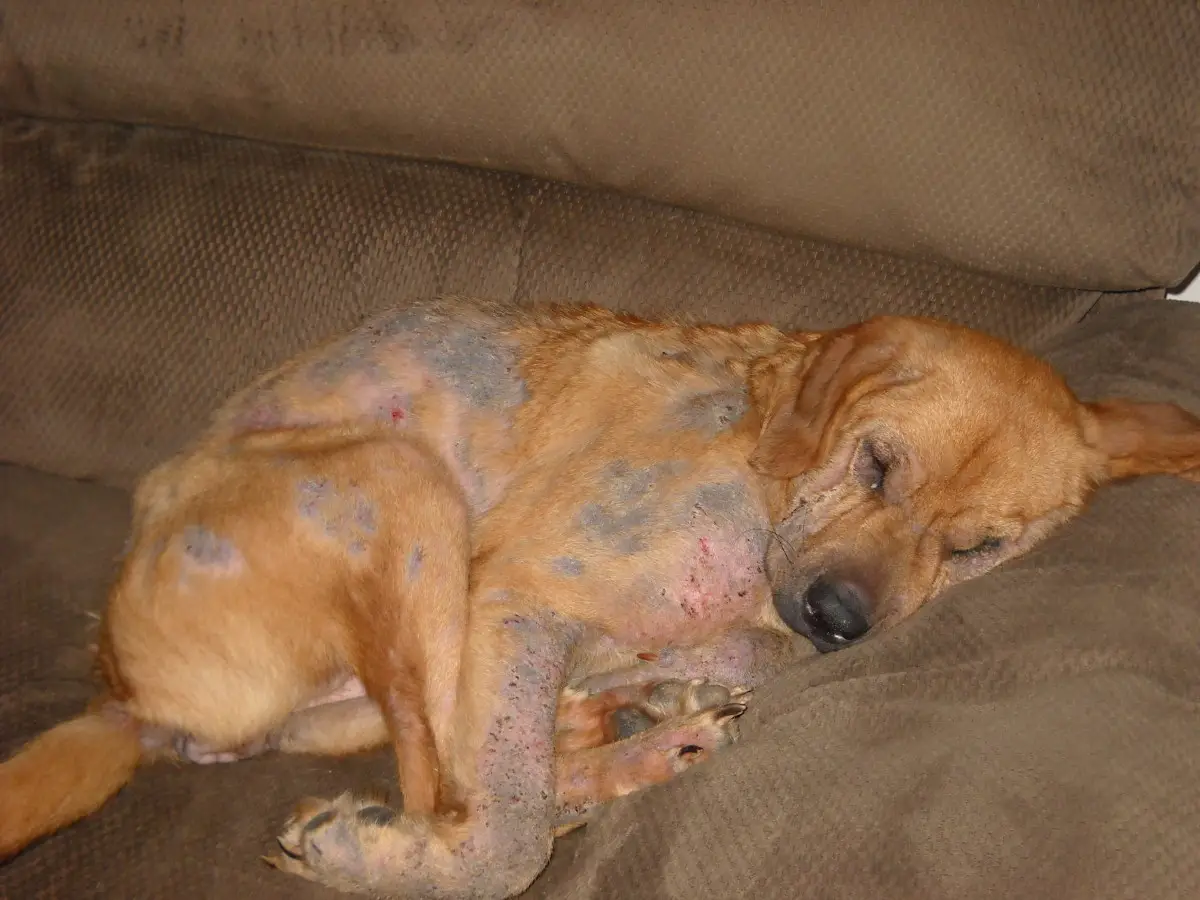
Treatment for yeast infections typically involves the use of antifungal medications, either topical (creams or sprays) or oral (pills). Veterinary interventions are key in determining which treatment approach is best suited for each dog.
Medicated shampoos containing antifungal agents can be very effective in treating yeast infections, particularly those affecting skin folds or the body. However, these shampoos must be used cautiously and under veterinary supervision to avoid further skin irritation.
In addition to antifungal medications, maintaining a clean and dry environment in and around the dog is crucial for preventing recurrence of the infection. Regular cleaning of the dog’s ears, skin folds, and other susceptible areas with gentle, hypoallergenic cleaners can play a crucial role in managing yeast infections.
By understanding the underpinnings of yeast infections and employing the right preventative and treatment strategies, pet owners can give their canine companions a fighting chance against this common skin condition.
Folliculitis: Inflammation of the Hair Follicles

Folliculitis is an inflammatory skin condition that targets the hair follicles, the small openings in the skin where hair grows. This condition often results from bacterial or fungal infections, though parasitic infestations or allergic reactions can also be contributing factors. This interconnectedness of skin issues underscores the importance of recognizing how a dog’s overall health can influence its skin.
Infections and Inflammation: Unraveling the Roots of Folliculitis

Bacterial infections are a primary cause of folliculitis, leading to inflammation and irritation of the hair follicles. This can manifest as pustules, small bumps filled with pus, often around hair follicles. The infection can sometimes spread to neighboring follicles, leading to larger areas of redness and inflammation.
Fungal infections, similar to yeast infections but potentially involving different types of fungi, can also cause folliculitis. These infections frequently target areas with a high concentration of hair follicles, such as the back, tail base, and neck.
In addition to infections, allergic reactions and sensitivities can also contribute to folliculitis. For instance, contact dermatitis, caused by allergic reactions to certain substances, can lead to skin irritation and inflammation impacting the hair follicles.
Recognizing the Signs: Clues That Hint at Folliculitis
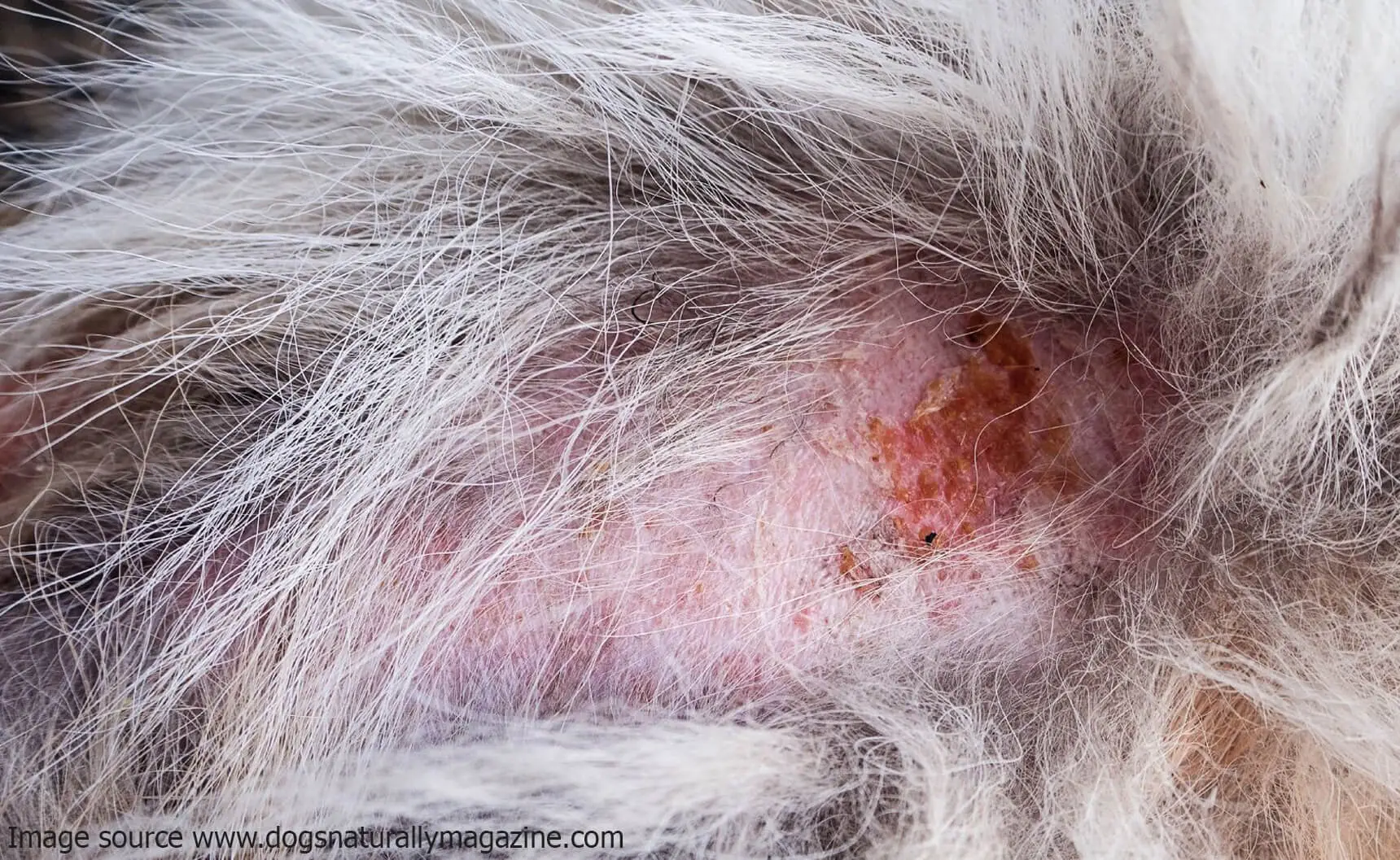
Folliculitis often manifests with noticeable skin changes, including inflamed bumps, pustules, and redness around the hair follicles. Itching and discomfort are frequent companions in this condition, often causing dogs to lick, scratch, and bite at the affected areas. It’s vital to pay attention to these behavioral changes and promptly consult with a veterinarian.
Hair loss can also be a telltale sign of folliculitis, as inflamed follicles may inhibit hair growth or lead to hair shedding. In some cases, the infected area may exude a pus-like substance, further indicating infection.
Management and Treatment: Addressing Folliculitis Effectively
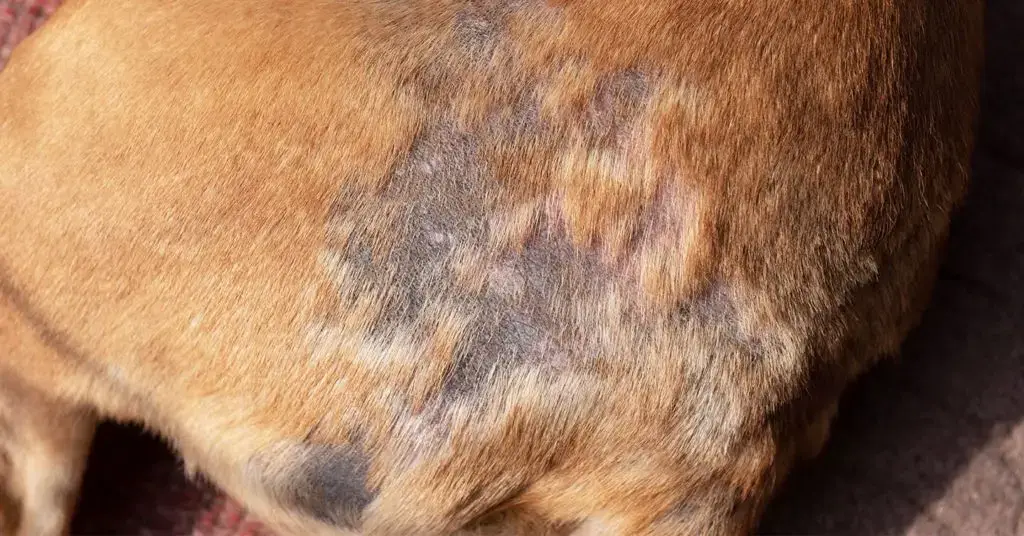
Treating folliculitis generally involves tackling the underlying cause, be it a bacterial or fungal infection, an allergic reaction, or a parasitic infestation. Depending on the root cause, various treatment options may be employed, such as antibiotics, antifungals, or corticosteroids.
Medicated shampoos specifically designed to treat skin infections can be incredibly useful for controlling folliculitis, especially if it’s widespread or affecting multiple areas of the body. These shampoos can cleanse the skin, reduce inflammation, and target the infectious agent causing the condition.
Furthermore, regular skin checks during grooming or playtime are vital for early detection of folliculitis. These attentive examinations can help identify subtle changes that could signal infections, like redness, bumps, or scabs. By promptly recognizing the signs of folliculitis, pet owners can prevent its escalation into a more severe condition.
Implications of Common Skin Conditions: Beyond the Surface

The consequences of common canine skin conditions like allergic dermatitis, yeast infections, and folliculitis extend beyond mere discomfort. Chronic skin issues can significantly impact a dog’s physical and emotional wellbeing. Beyond physical pain and irritation, long term skin conditions can cause behavioural issues like anxiety and aggression. These manifestations are a reminder that the health of a dog’s skin is deeply tied to its overall health and should be recognised as a crucial aspect of their overall health.
The Unbreakable Link Between Skin and Behavior
Chronic skin conditions can lead to significant behavioral changes in affected dogs, as they grapple with constant itching and discomfort. It’s easy to understand how relentless itching and discomfort can induce frustration and anxiety. Imagine a dog whose entire world seems to revolve around the relentless itch, constantly scratching and biting at their skin.
Behavioral issues such as excessive licking, biting, and scratching can become compulsive and destructive. The constant discomfort and frustration caused by skin conditions can trigger anxiety and even result in aggression towards others or themselves. This constant cycle of discomfort and anxiety can negatively impact a dog’s emotional and psychological well-being.
When Skin Reflects Systemic Health: Underlying Issues
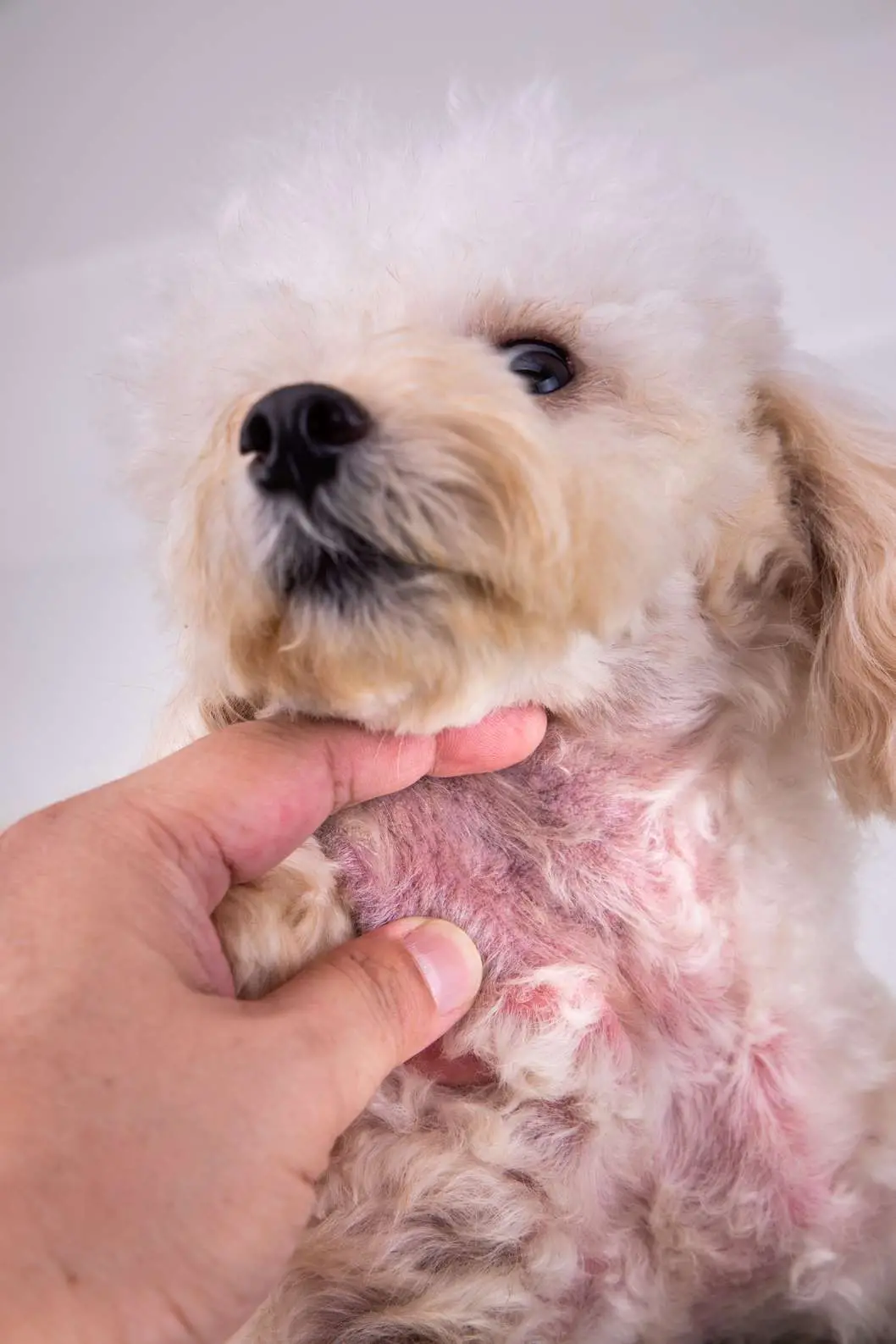
Skin problems can sometimes signify underlying systemic health issues. These issues can range from hormonal imbalances, like hypothyroidism or Cushing’s disease, to immune system dysfunctions. The skin, being the body’s largest organ, often acts as an indicator of internal health problems. Skin issues in dogs can often provide valuable warning signs.
For instance, recurrent skin infections, alongside other symptoms like weight gain or excessive thirst, may indicate a hormonal issue. Similarly, persistent skin allergies, coupled with recurrent infections, could be a symptom of an immune deficiency.
Understanding the potential links between skin issues and systemic health is pivotal for early intervention. By recognizing the subtle signs and promptly seeking veterinary advice, you can potentially diagnose and address underlying conditions that contribute to persistent skin problems.
Empowering Pet Owners: Prevention and Early Detection

Maintaining a dog’s skin health is a multifaceted approach, and early intervention plays a crucial role in managing and preventing severe consequences. Preventing skin conditions through a well-balanced diet and regular skin checks can significantly improve the quality of life for your furry friend.
Implementing a diet tailored to their specific needs supports a healthy coat and skin, reducing the risk of allergies and skin infections. Regularly grooming your dog allows for early detection of bumps or sores. You can maintain skin health with a combination of supplements and topical treatments.
Regular veterinary checkups are indispensable for proactive monitoring of a dog’s skin health. During these visits, veterinarians can identify any emerging issues, monitor for changes in skin and coat condition, and discuss appropriate preventative and management strategies. Early detection and diagnosis are crucial for minimizing the long-term implications of skin conditions on a dog’s physical and emotional well-being.
Conclusion

Canine skin health is a complex interplay of genetics, environment, and diet. Understanding common skin problems like allergic dermatitis, yeast infections, and folliculitis is crucial for ensuring our canine companions lead comfortable, healthy lives. These conditions often go beyond just surface-level discomfort, impacting their behaviour and potentially highlighting underlying health issues. By recognizing the signs, implementing preventative measures, and promptly seeking professional help, pet owners can contribute significantly to their dog’s overall health and happiness.
By focusing on maintaining a balanced diet, fostering a nurturing environment, and staying vigilant for potential skin issues, we, as responsible pet owners, can empower our dogs to live long, joyful lives, free from the discomfort and distress that skin problems can bring. It’s a testament to our love and dedication to their well-being, furthering the unique bond we share with our canine companions.
