
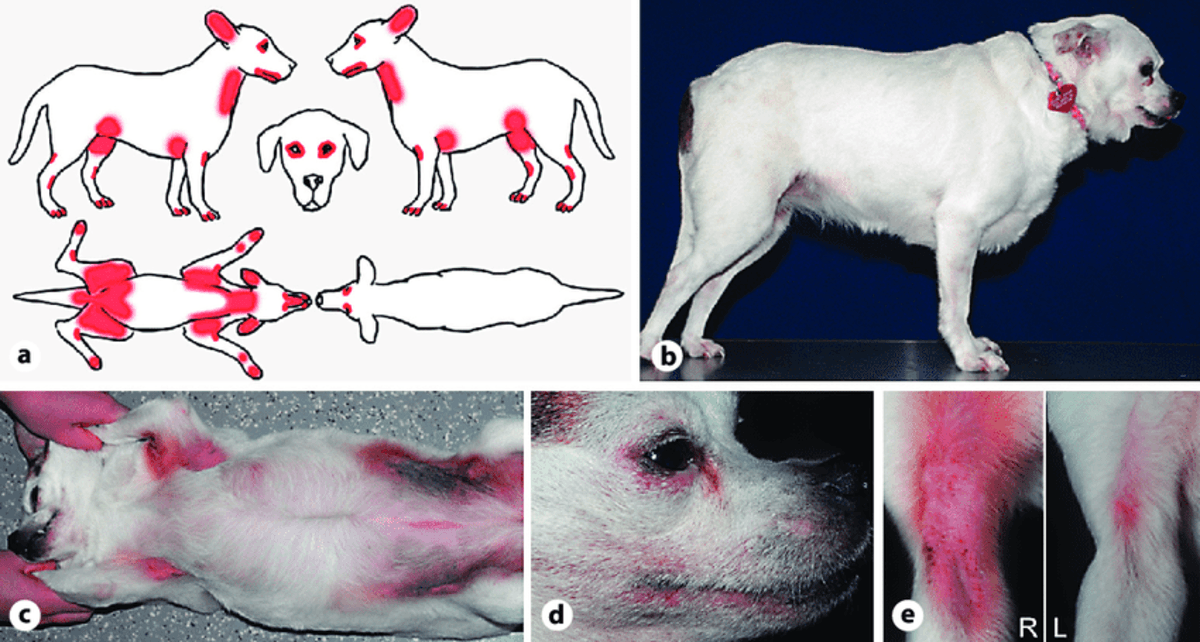
Common Dog Skin Diseases A Closer Look. When it comes to our beloved canine companions, skin health is a critical aspect of their overall well-being. Various common dog skin diseases can lead not only to discomfort for the animal but also to significant emotional tolls on their owners as they navigate treatments and potential long-term implications. The landscape of dog skin conditions is vast and includes allergic dermatitis, yeast infections, folliculitis, and other ailments that may seem intimidate at first glance. Understanding these conditions requires a multifaceted approach—it’s about recognizing not just the symptoms but delving deeper into their causes and preventing potential triggers.
Allergic Dermatitis: The Invisible Culprit
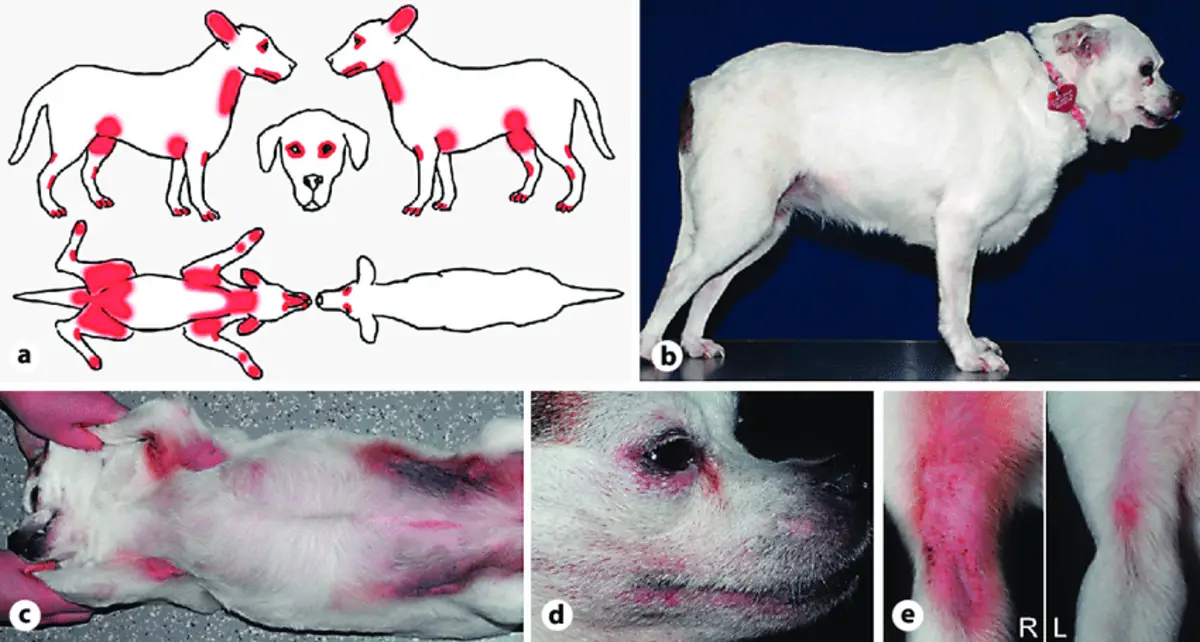
Allergic dermatitis is one of the most prevalent skin issues affecting dogs. Often characterized by excessive scratching, redness, and flaky skin, it represents an immune system gone awry, responding to seemingly innocuous agents like pollen, dust mites, or certain foods. This condition invites a deeper conversation about environment and diet.
For example, a dog’s sensitivity to a specific protein in its food could lead to chronic itching, prompting a vicious cycle where scratching exacerbates the initial issue. As pet owners become more aware, they might consider holistic approaches, such as dietary changes supplemented with omega-3 fatty acids to enhance skin health. Interestingly, this suggests that owners who invest time in understanding their dog’s sensitivities and adjusting their diets accordingly can significantly reduce flare-ups, thereby improving both quality of life and reducing vet visits, which can be financially burdensome.
Common Dog Skin Diseases A Closer Look – Identifying the Triggers

Identifying the triggers for allergic dermatitis can be a complex process, as dogs can have sensitivities to a wide range of environmental and dietary factors. It’s important to work closely with a veterinarian to determine the root cause of the issue.
One common approach is to conduct an elimination diet trial, where the dog is placed on a novel protein and carbohydrate source diet for several weeks to see if the symptoms improve. This can help pinpoint any food allergies that may be contributing to the skin irritation.
In addition to dietary changes, environmental factors should also be considered. Pollen, dust mites, and other allergens can trigger flare-ups, so it’s essential to keep the dog’s living space as clean and allergen-free as possible. Regularly vacuuming, using air purifiers, and limiting outdoor exposure during high-pollen seasons can all help manage the condition.
Managing Allergic Dermatitis
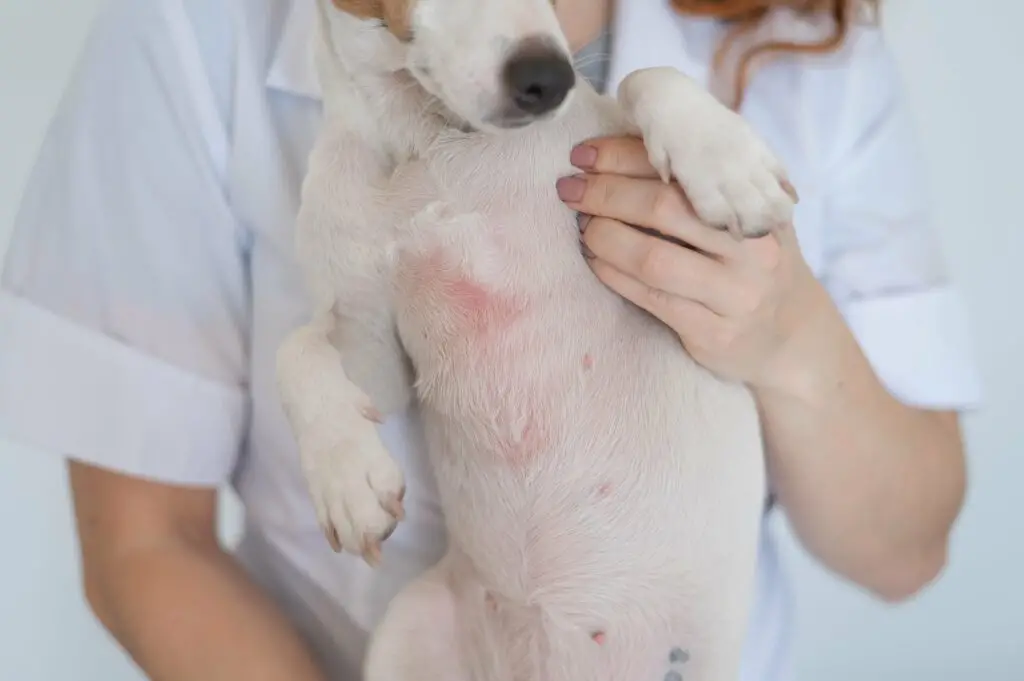
Once the triggers have been identified, a comprehensive treatment plan can be developed. This may include:
- Prescription or over-the-counter anti-itch medications to provide relief
- Medicated shampoos or topical treatments to soothe the skin
- Dietary supplements like omega-3 fatty acids to improve skin health
- Immunotherapy or allergy shots to desensitize the immune system
It’s important to work closely with a veterinarian to find the most effective combination of treatments for the individual dog. Consistent management and vigilance are key to keeping allergic dermatitis under control and ensuring the dog’s comfort and well-being.
Yeast Infections: More than Just Discomfort
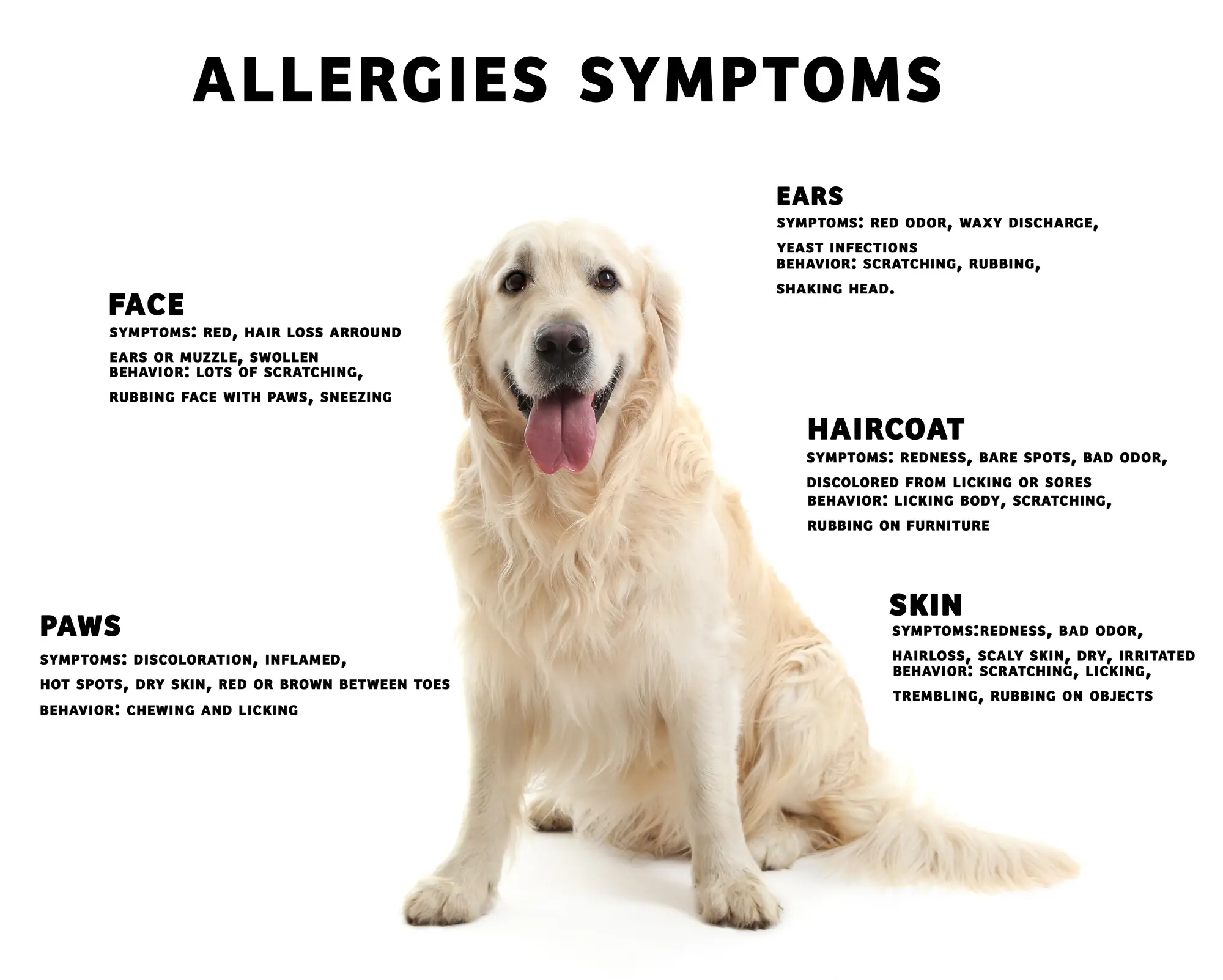
Yeast infections, often punctuated by foul odors and inflamed skin, are another common concern. These fungal organisms thrive in warm, moist environments, reminiscent of a biological garden, where overgrowth can yield troubling results. The environmental factors that favor yeast proliferation highlight the interconnectedness of all living systems.
A dog with a yeast infection may require comprehensive treatment strategies, including medicated shampoos and possibly even changes to their diet, similar to how one would handle an infestation in a garden by altering the landscaping or soil conditions. However, the hidden dimension here lies in the psychological effect. For many pet owners, a smelly dog is a constant reminder that something is wrong. It can strain relationships as friends and family might be reluctant to visit or engage, leading to feelings of isolation for the owner.
Identifying Yeast Infections
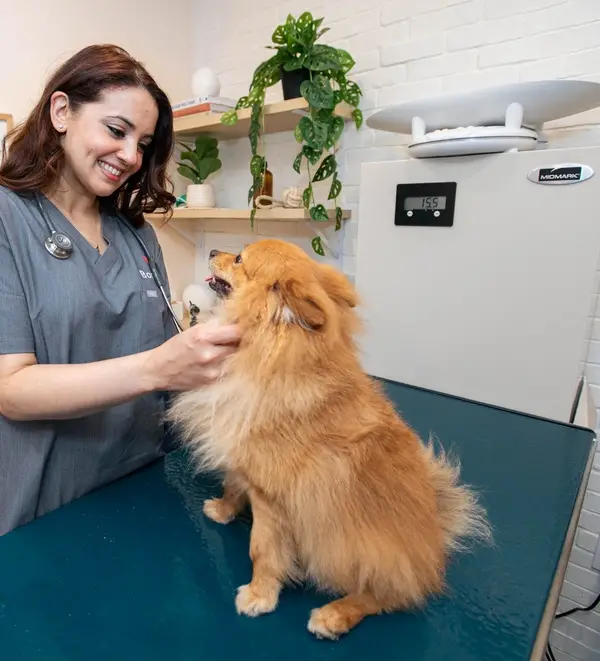
Yeast infections in dogs are typically caused by an overgrowth of the Malassezia fungus, which naturally occurs on the skin. Certain factors can disrupt the balance of this fungus, leading to an infection. Common signs of a yeast infection include:
- Reddish-brown or greasy skin
- Intense itching and scratching
- Foul, musty odor
- Ear infections
- Hair loss or thinning of the coat
It’s important to have a veterinarian diagnose the condition, as yeast infections can sometimes be mistaken for other skin issues like bacterial infections or allergies.
Treating Yeast Infections

The treatment for yeast infections typically involves a combination of topical and systemic approaches. This may include:
- Medicated shampoos or creams containing anti-fungal ingredients
- Oral anti-fungal medications prescribed by a veterinarian
- Dietary changes to reduce the dog’s intake of carbohydrates and sugars, which can feed the yeast
- Regular cleaning and drying of the dog’s skin and ears to discourage yeast growth
In some cases, the underlying cause of the yeast infection, such as an underlying medical condition or environmental factor, may need to be addressed as well. Staying vigilant and following the veterinarian’s recommendations is crucial for effectively managing and resolving a yeast infection.
Folliculitis and Beyond: The Complex Web of Causes
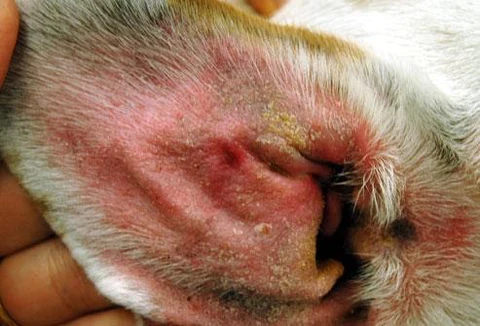
Folliculitis, characterized by inflammation of hair follicles, can be commonly caused by bacteria or parasites, like Cheyletiella mites, referred to as walking dandruff. The interwoven nature of skin conditions speaks to the importance of proactive veterinary care.
Dogs that exhibit early signs of skin irritations should be seen promptly to prevent a minor issue from spiraling into a larger problem, such as systemic infections or ongoing pain. This brings forth an implication that regular vet check-ups are not merely routine; they serve as a preventative measure, akin to maintaining checkups for human health to catch issues before they escalate.
Identifying Folliculitis
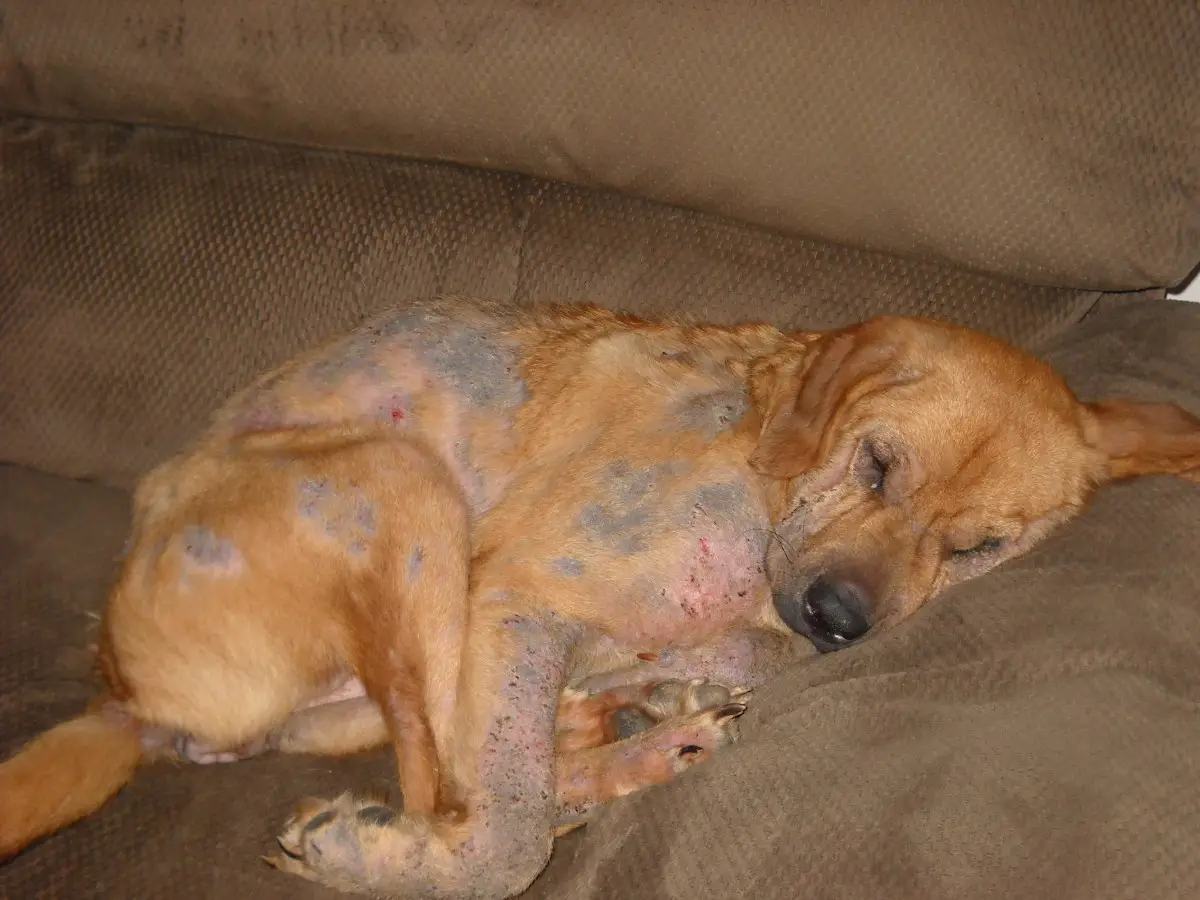
Folliculitis in dogs can present with a variety of symptoms, including:
- Small, red bumps or pustules around the hair follicles
- Hair loss or thinning of the coat
- Crusting or scabbing of the skin
- Itching and discomfort
The underlying cause of the folliculitis, whether it’s bacterial, fungal, or parasitic, will dictate the appropriate treatment approach. A veterinarian can perform diagnostics, such as skin scrapings or cultures, to determine the root cause.
Treating Folliculitis

The treatment for folliculitis often involves a combination of topical and systemic therapies, depending on the severity of the condition and the underlying cause. This may include:
- Antibacterial or antifungal shampoos or creams
- Oral antibiotics or antifungal medications
- Medicated dips or sprays to address parasitic infestations
- Addressing any underlying conditions that may be contributing to the folliculitis
In some cases, the dog may also require pain relief or anti-itch medications to provide comfort during the healing process. Regular follow-up with the veterinarian is essential to ensure the infection is fully resolved and to monitor for any recurrence.
Preventing Skin Infections

Proactive preventive measures can go a long way in reducing the risk of skin infections and other conditions. This includes:
- Maintaining a consistent grooming routine to keep the dog’s coat and skin clean and healthy
- Regularly checking for signs of skin irritation or parasites, and addressing any issues promptly
- Ensuring the dog’s environment is clean and free of potential allergens or irritants
- Feeding a high-quality, balanced diet that supports skin and coat health
- Providing appropriate exercise and enrichment to reduce stress, which can weaken the immune system
By staying vigilant and addressing any skin concerns early on, pet owners can help their canine companions avoid the discomfort and complications associated with common skin diseases.
The Importance of Environment and Hygiene
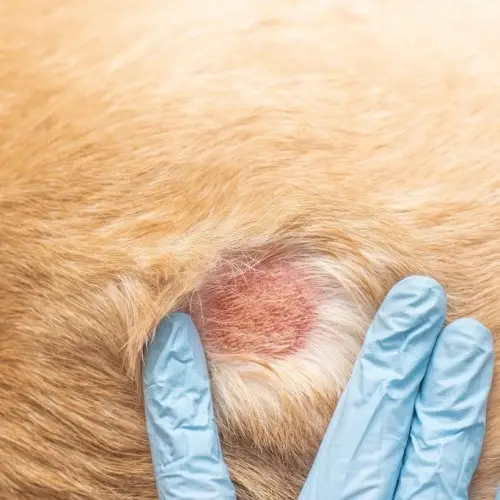
Environmental concerns can’t be overlooked. Many of these skin issues find their roots in hygiene (or lack thereof) and environmental exposures. For instance, frequent contact with allergens like mold and grasses can exacerbate conditions like atopic dermatitis, making the home setting a crossroads for health challenges.
This highlights a potential lifestyle shift towards more conscious pet ownership, where cleaning routines and outdoor activities align with seasonal changes to manage exposure. Consider a scenario in which a family creates a dedicated space within their home for the dog to reduce allergen exposure. Such thoughtful adjustments can create a nurturing space that not only benefits the dog but strengthens the bond between the pet and owner through increased attentiveness and care.
Maintaining a Clean Environment

Keeping a dog’s living environment clean and hygienic is crucial for preventing and managing skin conditions. This includes:
- Regular vacuuming and cleaning to remove dust, dander, and other allergens
- Washing the dog’s bedding and toys frequently using hypoallergenic detergents
- Grooming the dog regularly to remove excess hair and distribute natural oils
- Controlling humidity levels and ensuring proper airflow to discourage mold and yeast growth
By creating a clean and allergen-free environment, pet owners can minimize the triggers that can exacerbate skin issues and provide their canine companions with a comfortable and healthy living space.
Adapting to Seasonal Changes

Seasonal changes can also impact a dog’s skin health, as exposure to different allergens and environmental factors can fluctuate throughout the year. Pet owners should be mindful of these changes and adjust their routines accordingly.
For example, during pollen season, it may be beneficial to limit the dog’s outdoor time or wipe their paws and coat when they come inside to remove any allergens. In the winter, when dry air can exacerbate skin conditions, using a humidifier or providing omega-3 supplements may help maintain skin health.
By staying attuned to the seasonal changes and adapting their pet care routines, owners can help their dogs navigate the various environmental challenges that can affect their skin.
Conclusion
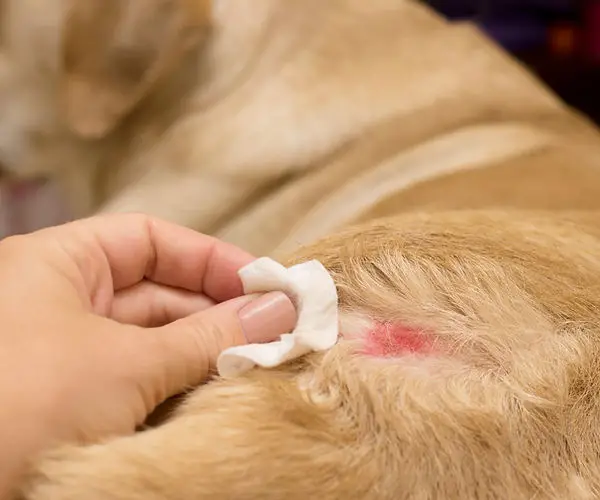
Exploring common dog skin diseases opens doors to various conversations about the intersection of environment, health, and human-animal relationships. By adopting a proactive and informed approach to skin health, we not only provide our furry friends with relief but also enrich our understanding of the intricate tapestry of life shared between species.
Through a deeper understanding of conditions like allergic dermatitis, yeast infections, and folliculitis, pet owners can better anticipate and manage their dog’s skin health needs. By addressing the root causes, implementing preventive measures, and working closely with veterinary professionals, we can help our canine companions live more comfortable and fulfilling lives.
Moreover, the insights gained from navigating these skin conditions can strengthen the bond between pet and owner, fostering a greater sense of empathy, responsibility, and appreciation for the well-being of our four-legged family members. As we continue to delve into the complexities of dog skin diseases, we uncover opportunities to improve the overall quality of life for our beloved companions and deepen our own understanding of the delicate balance that exists within the natural world.
