
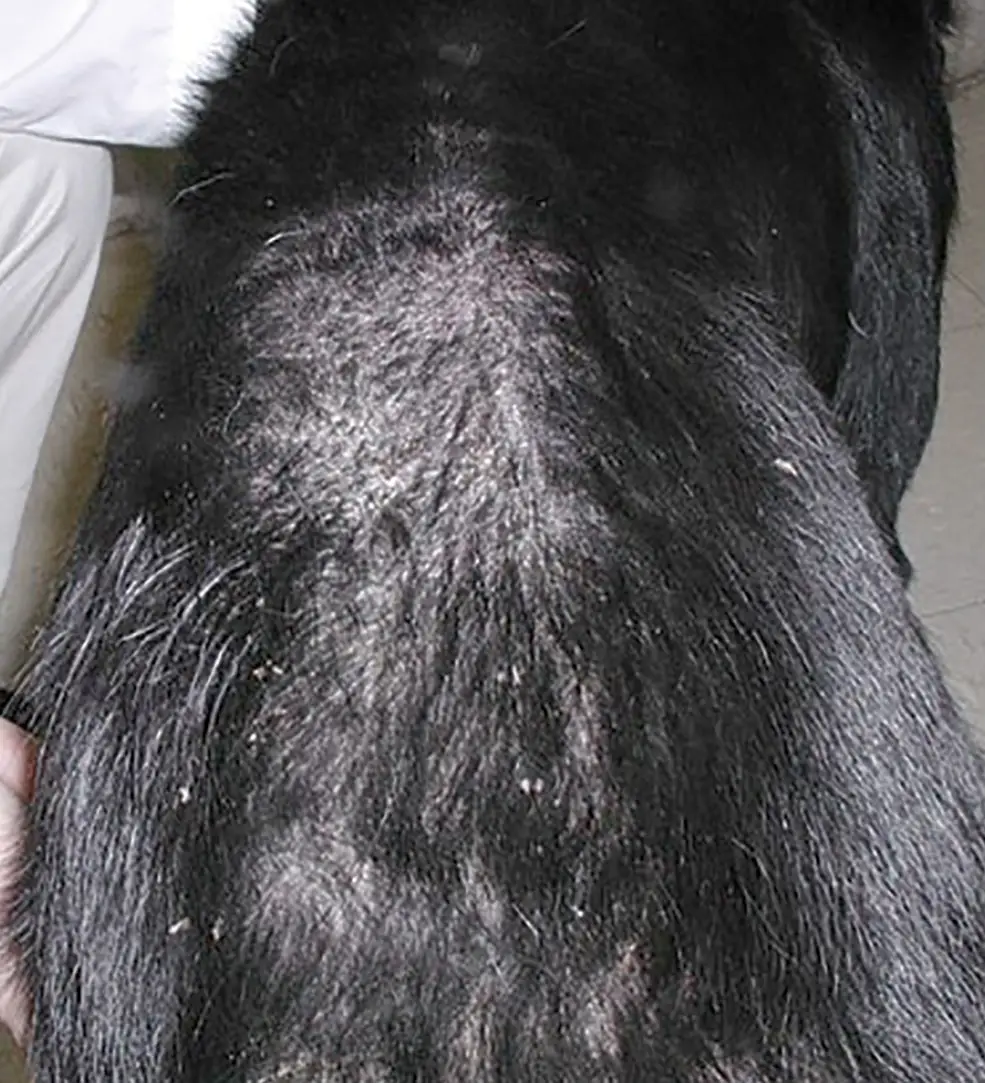
Common Canine Skin Conditions. Canine skin conditions are a multifaceted realm of concerns that pet owners often confront, ranging from mild annoyances to severe health risks for their furry companions. Among the most prevalent skin issues is allergic dermatitis, where pets may react to environmental allergens like pollen or food ingredients such as grains and proteins. Dogs are notoriously susceptible to allergies, leading to excess scratching, biting, and even infections secondary to these behaviors.
Combine that with common culprits like flea infestations, which not only cause itching but can also lead to more serious complications such as blood loss in anemic cases, and it’s clear that vigilance is essential. Equally concerning are fungal and bacterial infections, highlighting how interconnected our pets’ immune systems can be with external factors. For example, yeast infections—not uncommon among dogs—often thrive in warm, moist areas and can easily go unnoticed until symptoms escalate into redness, swelling, and discomfort. A dog’s skin microbiome could serve as a vital indicator of overall health: if it becomes imbalanced due to dietary changes or stress, it can trigger a cascade of skin conditions. It’s almost akin to an ecosystem; disrupt one aspect, and the entire habitat may experience upheaval.
The Multifactorial Nature of Skin Issues
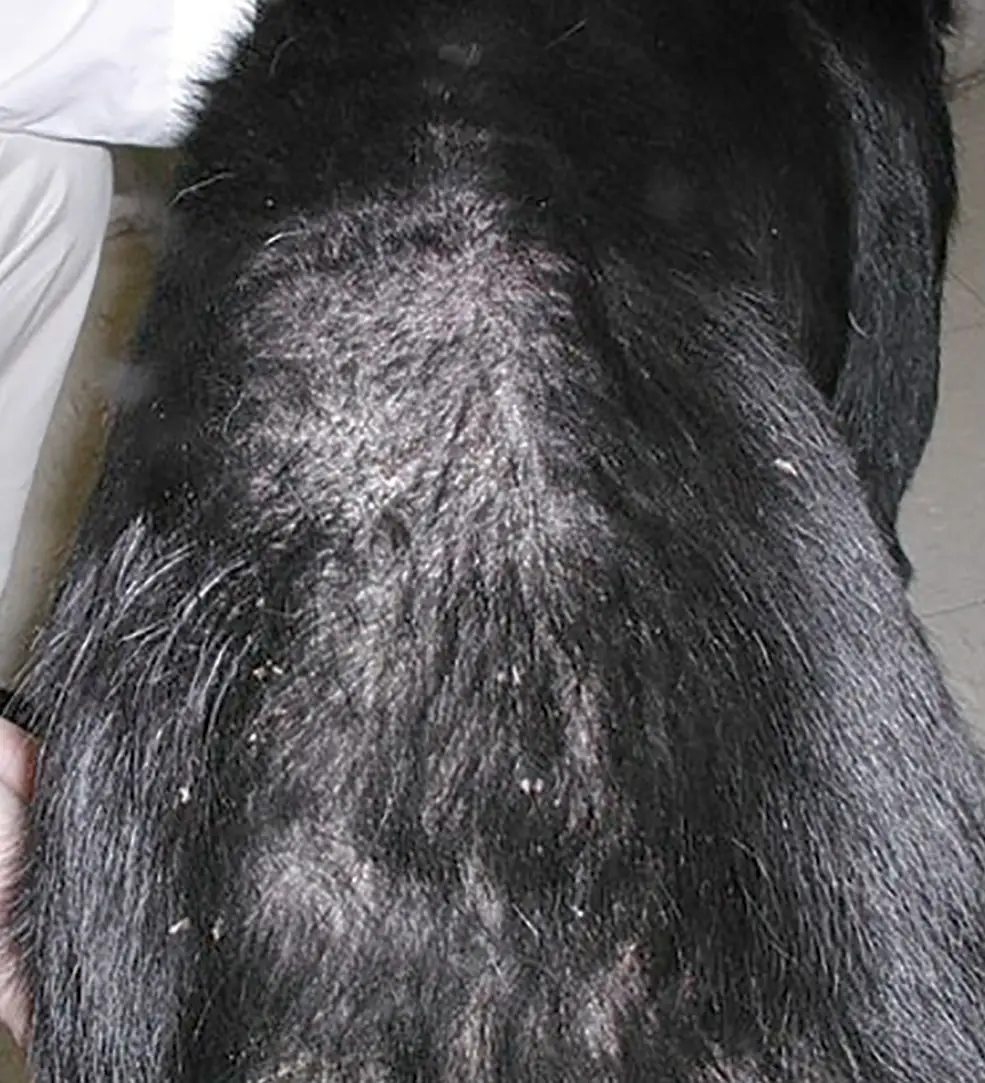
Dogs also grapple with parasite-related skin problems, such as mites and lice. These pests are not just mere nuisances; they can lead to secondary infections and chronic conditions that complicate treatment efforts. Fleas, particularly, demonstrate how a single ecological factor—the presence of a parasite—can ignite a chain reaction of health issues: excessive scratching can create open wounds, making the dog vulnerable to bacteria in its environment. This creates a paradoxical scenario where treatment leads to further complications, underscoring the need for holistic approaches in managing canine dermatological health.
Common Canine Skin Conditions – Parasites and Their Implications

Parasites, such as mites and lice, can be a significant source of skin problems for dogs. These pests are more than just a nuisance; they can lead to secondary infections and chronic conditions that make treatment a complex challenge.
One of the most notorious examples is the flea infestation. Fleas not only cause intense itching but can also lead to more serious complications, such as blood loss in anemic cases. The presence of these parasites can ignite a chain reaction of health issues: excessive scratching due to the irritation can create open wounds, making the dog vulnerable to bacteria in their environment. This creates a paradoxical scenario where the treatment of the initial problem can lead to further complications, underscoring the need for a holistic approach in managing canine dermatological health.
Beyond fleas, mites and lice can also wreak havoc on a dog’s skin. Mange, caused by tiny mites burrowing into the skin, can lead to severe itching, hair loss, and even secondary infections if left untreated. Similarly, lice infestations can cause intense discomfort and irritation, potentially causing the dog to scratch excessively and damage their skin.
The insidious nature of these parasitic infestations lies in their ability to go unnoticed until the symptoms become severe. Pet owners must be vigilant in regularly checking their dogs for any signs of these pests, such as excessive scratching, hair loss, or visible parasites on the skin. Early detection and prompt treatment are crucial in preventing the escalation of these issues and the resulting complications.
Nutritional Considerations
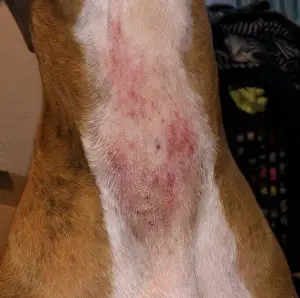
Moreover, nutritional deficiencies often manifest on the skin’s surface, serving as a barometer for broader dietary health. Insufficient omega-3 fatty acids can lead to dry, flaky skin, whereas deficiencies in essential vitamins might hamper healing processes. Observing your dog’s coat shine, or lack thereof, could offer insights into their overall metabolic state. This emphasizes the importance of balanced nutrition—a well-rounded diet isn’t just about meeting caloric needs; it involves supporting an intricate web of physiological systems impacting everything from energy levels to skin viability.
A dog’s skin is a reflection of its overall health, and the condition of their coat can provide valuable clues about their nutritional status. Insufficient omega-3 fatty acids, for instance, can lead to dry, flaky skin, while deficiencies in essential vitamins like A, C, and E can impair the healing process and contribute to various skin problems.
Observing the shine and luster of your dog’s coat can offer insights into their metabolic state. A dull, lackluster coat may indicate an imbalance in the dog’s nutrition, potentially pointing to underlying issues that need to be addressed. This underscores the importance of a well-rounded, balanced diet that goes beyond just meeting caloric needs.
A dog’s skin is a complex ecosystem, and the quality of their nutrition plays a crucial role in maintaining its delicate balance. Deficiencies in key nutrients can disrupt the skin’s natural healing processes, making it more susceptible to various conditions, from infections to allergic reactions. By ensuring your dog receives a complete and balanced diet, you can support the overall health and integrity of their skin, promoting a vibrant coat and preventing potentially troublesome skin issues.
Behavioral Factors

Interestingly, behavioral elements such as stress and anxiety can play a surprisingly significant role in skin conditions. Imagine a dog experiencing separation anxiety; the licking and chewing that often ensue can facilitate the development of lesions or exacerbate existing problems. This psychological aspect reveals that addressing skin ailments often extends beyond topical ointments and into realms of emotional well-being and lifestyle adjustments. If left unaddressed, stress-driven skin issues can evolve into long-term health ramifications, suggesting a need for a comprehensive understanding of both physical and mental health in dogs.
The impact of a dog’s emotional well-being on their skin health is a often overlooked, yet crucial, aspect of canine dermatology. Behavioral factors, such as stress and anxiety, can have a profound influence on the development and progression of various skin conditions.
Consider a dog experiencing separation anxiety, for example. The excessive licking, chewing, and scratching that can arise from this psychological distress can lead to the formation of lesions or the exacerbation of existing skin problems. This highlights the need to address skin ailments from a multifaceted perspective, going beyond just topical treatments and delving into the realms of emotional well-being and lifestyle adjustments.
If left unaddressed, these stress-driven skin issues can evolve into long-term health ramifications, underscoring the importance of a comprehensive understanding of both the physical and mental health of our canine companions. Pet owners must be attuned to the subtle behavioral cues that may indicate underlying stress or anxiety, and be prepared to implement strategies to support their dog’s emotional stability, in addition to addressing any dermatological concerns.
By recognizing the intricate connection between a dog’s psychological and physical well-being, we can gain a more holistic approach to managing their skin health. This not only benefits the dog’s immediate comfort but also helps prevent the development of more serious, long-term complications that can arise from the interplay between behavioral and physiological factors.
Recognizing Symptoms Early
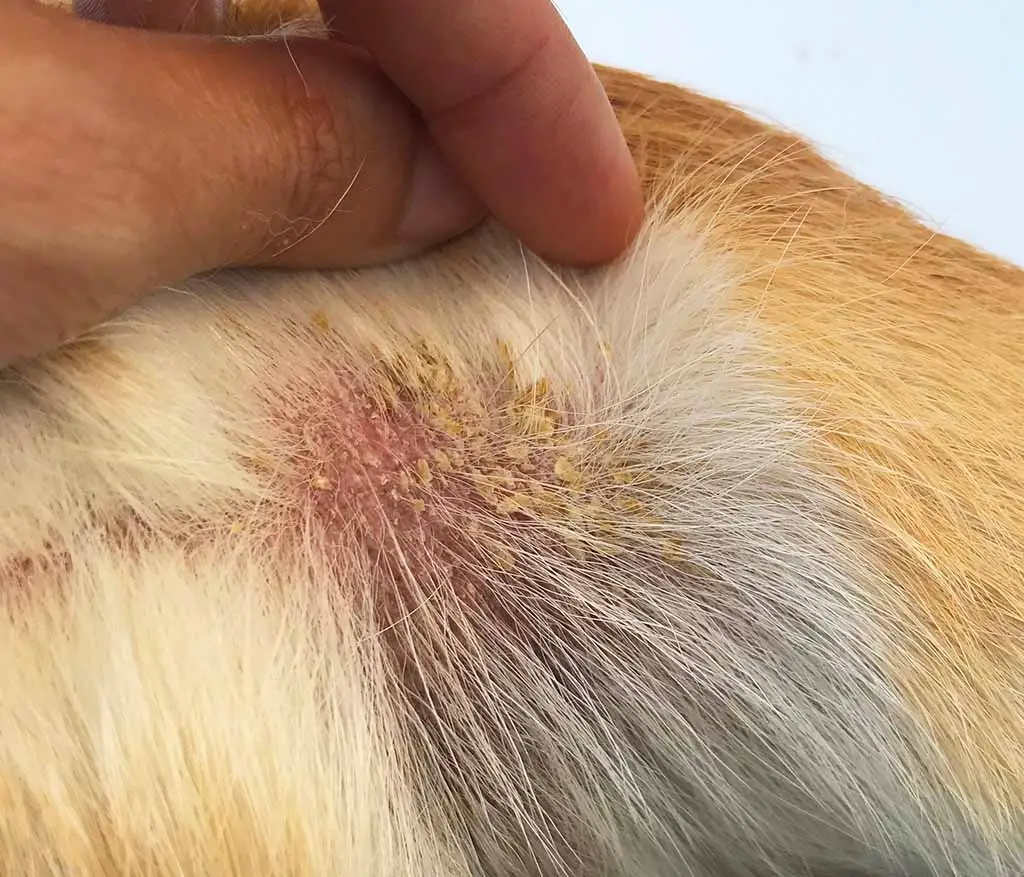
Finally, the early identification of symptoms cannot be overstated. Pet owners need to look for subtle signs, whether they be occasional scratching or more pronounced affordances like hair loss and inflammation. Each small cue could indicate something greater at stake—an underlying condition that could spiral if ignored. Approaching dog care with this mindful lens transforms our interaction with them into a partnership focused on their holistic health. Besides, the bond we share with them would surely strengthen as we become attuned to their nuanced needs, reinforcing the idea that knowledge fuels compassion.
The key to effectively managing canine skin conditions lies in the early recognition of symptoms. Pet owners must be vigilant in observing their furry companions, looking out for even the most subtle signs that something may be amiss.
Occasional scratching, for instance, could be an early indicator of an underlying issue, such as allergic dermatitis or a parasitic infestation. More pronounced symptoms, like hair loss and inflammation, should also raise red flags, as they may signal a more serious condition that requires prompt attention.
By approaching dog care with a mindful lens, pet owners can transform their relationship with their companions into a true partnership, focused on the holistic well-being of the animal. This attunement to their nuanced needs not only benefits the dog’s immediate health but also strengthens the bond between pet and owner, as knowledge and compassion go hand in hand.
Early detection of skin-related symptoms is crucial, as ignoring even the smallest cues can allow an underlying condition to spiral out of control. Pet owners must be willing to closely observe their dogs, recognizing that each subtle sign could indicate a larger issue at play. This proactive approach to canine skin health ultimately leads to better outcomes, as it allows for timely intervention and a more comprehensive understanding of the dog’s overall well-being.
Conclusion

The world of canine skin conditions is a complex and multifaceted realm, with a wide range of potential causes and implications. From allergic reactions and parasitic infestations to nutritional deficiencies and behavioral factors, our furry companions can face a diverse array of dermatological challenges. As pet owners, it is our responsibility to be vigilant, observant, and proactive in addressing these issues, as the health and well-being of our dogs are inextricably linked to the health of their skin.
By adopting a holistic approach to canine skin care, we can better navigate the intricate web of factors that contribute to these conditions. From understanding the role of parasites and the importance of balanced nutrition to recognizing the impact of stress and anxiety, a comprehensive understanding of the various elements at play is crucial for effective management and prevention.
Ultimately, the key lies in early detection and a commitment to our dogs’ overall well-being. By attuning ourselves to the subtle cues and nuanced needs of our canine companions, we can strengthen the bond we share and ensure that they lead healthy, happy lives, free from the burdens of persistent skin ailments. The path to optimal canine skin health is paved with knowledge, compassion, and a steadfast dedication to the well-being of our beloved pets.
