
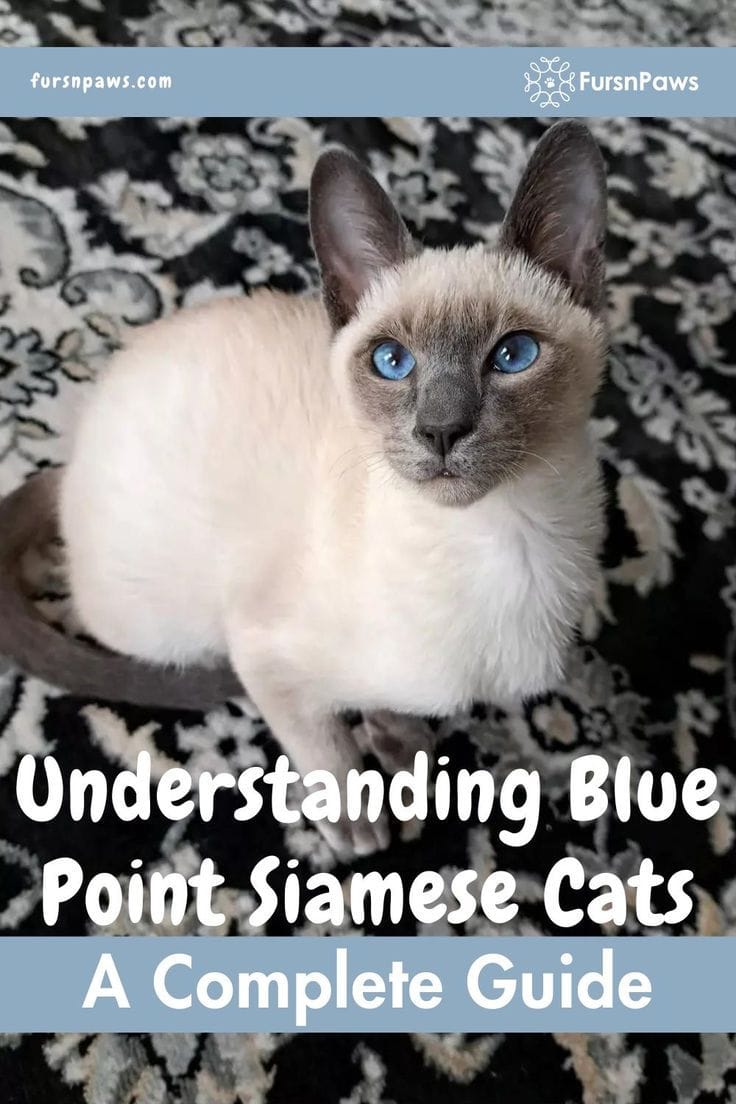
The Colorpoint Shorthair Cat is a captivating breed known for its spunky, vocal nature and affectionate personality, making them a wonderful addition to many households. This breed, a fascinating offshoot of the Siamese, boasts a unique history, a distinct set of attributes, and a personality that truly sets them apart. This guide delves into everything you need to know about these striking felines, from their origins to their daily care needs.
A Rich Breed History
The genesis of the Colorpoint Shorthair can be traced back to the mid-20th century, specifically the 1940s and 1950s. In both America and England, dedicated cat breeders embarked on a mission to create a Siamese cat with red points. This ambitious endeavor involved crossbreeding seal point Siamese cats with red tabby American Shorthairs. The resulting litter marked the birth of the Colorpoint Shorthair. This was a groundbreaking development at the time, as traditional Siamese cats were exclusively recognized in classic colors such as chocolate, lilac, blue, or seal. What makes the Colorpoint Shorthair particularly interesting is the ongoing discussion among feline enthusiasts: some consider them a distinct breed, while others view them as a specific variation within the broader Siamese breed.
Understanding Colorpoint Shorthair Attributes
Colorpoint Shorthairs bear a striking resemblance to their Siamese ancestors, with the most prominent difference lying in their coat colors and patterns. While traditional Siamese cats are typically found in four main color variations, Colorpoints offer a dazzling spectrum of 16 different colors and patterns. This diversity makes each Colorpoint Shorthair uniquely beautiful.
The personality of a typical Colorpoint Shorthair is often described as friendly, outgoing, and exceptionally extroverted. These cats form deep bonds with their families and thrive on companionship, making them less suited for owners who are away for extended periods. While they relish cuddling sessions on your lap, they also have a playful side and expect their human companions to engage with them through play and entertainment.
Average Lifespan
The average lifespan for a Colorpoint Shorthair cat generally ranges from 8 to 12 years. However, with excellent care and a bit of luck, many of these cats have been known to live well into their late teens, with some reaching up to 17 years. As with all felines, individual cats can vary, and yours might live a shorter or longer life than the average.
Size and Weight
An adult Colorpoint Shorthair typically weighs between 5 to 12 pounds. While this is the expected range, some individuals may naturally fall slightly outside these parameters. Their build is generally lithe and elegant, reflecting their Siamese heritage.
Hypoallergenic Qualities
It is important to note that Colorpoint Shorthairs are not considered a hypoallergenic breed. Individuals with cat allergies may experience reactions to these cats, so potential owners should be aware of this before bringing one home.
Common Allergies in Cats
Just like humans, cats can develop allergies to a variety of environmental factors or ingredients in their food. Common allergens can include pollen, dust, certain fabrics, and specific food components. If you suspect your Colorpoint Shorthair is suffering from allergies, it is crucial to consult with a veterinarian promptly. A vet can accurately diagnose the issue and recommend the most effective treatment plan to manage symptoms and improve your cat’s quality of life. [Learn more about managing feline allergies].
A Spectrum of Colors
The Colorpoint Shorthair truly shines with its extensive color palette. These cats can be found in a wide array of colors and patterns, including but not limited to: red, cream, cinnamon, fawn, seal, chocolate, blue, lilac, lynx, and tortie points. This remarkable variety ensures that there is a Colorpoint Shorthair to suit almost any aesthetic preference.
One characteristic that often surprises new Colorpoint parents is their remarkable vocalization. These cats are known to “talk” frequently, and their voices can carry quite a distance. They possess an impressive range of sounds, using different meows and vocalizations to communicate their needs and desires.
While generally easy-going, Colorpoint Shorthairs can be sensitive and prone to anxiety when faced with significant changes in their routines or environment. They can make excellent companions for families with children, especially if they are introduced at a young age and grow up together. It is essential to teach children how to interact respectfully and gently with their feline family members to ensure a harmonious household.
Grooming Needs
Fortunately for their owners, Colorpoint Shorthairs have minimal grooming requirements. Their short, easy-to-manage coat should be brushed at least once a week. This regular brushing helps maintain coat health, distributes natural oils, and removes loose hairs. In addition to coat care, it is also beneficial to establish a dental hygiene routine. [Brushing your cat’s teeth] a few times a week can significantly contribute to their overall health and prevent dental issues down the line.
Periodically, typically every few weeks, you should check your cat’s ears for dirt or debris and clean them as needed. Unusual redness, a foul odor, or excessive scratching around the ears could indicate an ear infection, necessitating a visit to the veterinarian. Nail trimming is another aspect of grooming; most Colorpoints will need their nails trimmed approximately once a month, although this schedule can vary based on individual growth rates.
Essential Care Practices
The daily care routine for a Colorpoint Shorthair is fairly straightforward, following general feline best practices. These intelligent cats require daily exercise to stay healthy and happy. Investing in a variety of toys, a stimulating climbing tower, and a sturdy scratching post is highly recommended to meet their physical and mental needs. Given their intelligence, providing mental stimulation is also crucial. This can involve puzzle feeders, interactive toys, or even teaching them a few simple tricks.
As a responsible cat parent, ensuring your Colorpoint Shorthair receives an [appropriate diet] is paramount. It is generally not advised to leave food out for free-feeding throughout the day. This practice can easily lead to overeating and subsequent weight gain, which in turn can trigger various health problems. Instead, it is best to measure out your cat’s food and feed them the recommended portion size at designated meal times. Monitoring your cat’s weight also means being mindful of the frequency and quantity of treats given, keeping them to a minimum. Some Colorpoint cats, particularly males, may exhibit territorial behaviors. Understanding [how to manage territorial cats] can help foster a peaceful home environment.
Common Health Concerns
Colorpoint Shorthairs are generally considered a robust and healthy breed. However, like all purebred cats, they can be predisposed to certain health conditions. Based on claims data, some of the more common issues observed in this breed include ear infections, periodontal disease, certain types of cancer, kidney disease, and behavioral issues. It is important to remember that these are simply common occurrences, and there is no guarantee your individual cat will experience any or all of these conditions.
After adopting your new feline companion, it’s essential to schedule their first veterinary appointment within the first week. This initial visit allows your veterinarian to establish a baseline for your cat’s health and address any immediate concerns. Following this, annual check-ups are crucial for ongoing health maintenance. Cats are masters at hiding discomfort or illness, so regular veterinary visits are vital for early detection of potential problems. If you notice any sudden changes in your cat’s behavior, appetite, or overall health, do not hesitate to schedule an appointment with your veterinarian sooner than your regularly scheduled visit.
Fun Facts About Colorpoint Shorthairs
Learning interesting trivia about the Colorpoint Shorthair can be a delightful way to connect with your pet and impress fellow cat enthusiasts.
- The Colorpoint Shorthair shares its lineage with the Oriental Shorthair, as both breeds originated from a similar crossbreeding of American Shorthairs and Siamese cats.
- It is believed that Colorpoint Shorthairs possess the ability to produce over 100 different vocal sounds, a broader range than most other cat breeds.
- While they enjoy being close to their owners, these cats have a particular fondness for warmth. When the temperatures cool, they often seek out cozy spots under blankets or in piles of soft bedding.
- Colorpoints generally do not mind sharing their homes with other felines. Having a companion cat can provide mutual entertainment and social interaction.
- A hallmark feature of the Colorpoint Shorthair is their striking almond-shaped eyes, which are always a vivid shade of blue.
Naming Your Colorpoint Shorthair
Once you’ve welcomed a Colorpoint Shorthair into your home, selecting the perfect name is an exciting next step. While inspiration can strike from anywhere, if you’re looking for unique ideas, consider a food-inspired theme. Here are a few suggestions to get you started: Angus, Beans, Brie, Chai, Cherry, Clementine, Kiwi, Mochi, Peaches, and Toffee. This list is just a starting point, as the world of food and drink offers a vast array of creative naming possibilities for your new furry friend.
Disclaimer: The information provided in this article is intended for educational and informational purposes only. It does not constitute professional veterinary advice and should not be considered a substitute for consultation with a qualified veterinarian. Always seek the advice of your veterinarian or other qualified health provider with any questions you may have regarding a medical condition.
