
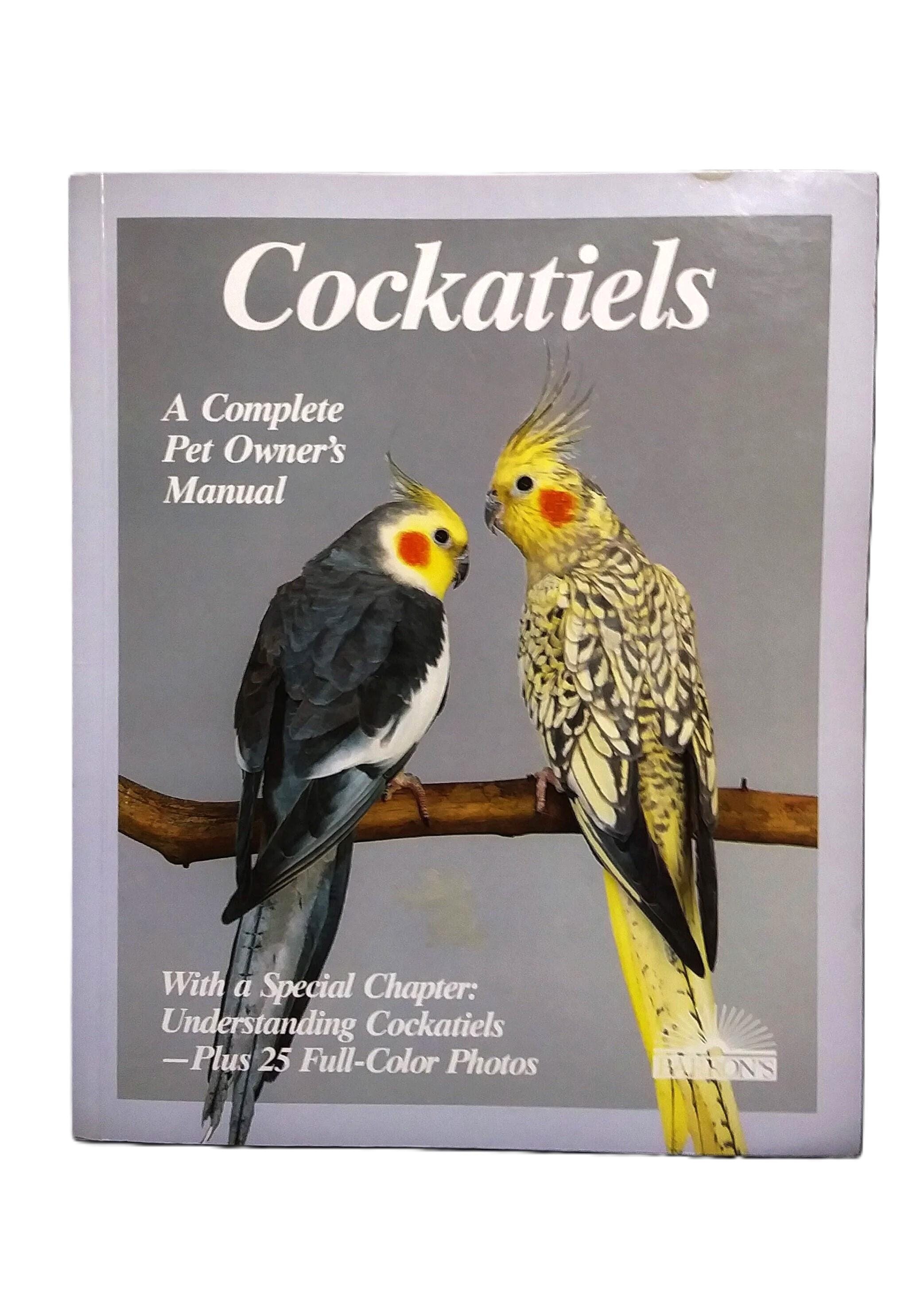
Bringing a cockatiel into your home is an exciting prospect, but it’s essential to understand the financial commitment involved. Beyond the initial purchase price, a variety of ongoing costs contribute to the overall expense of caring for these intelligent and social birds. This guide aims to provide a comprehensive overview of the financial aspects of cockatiel ownership, helping prospective owners make informed decisions.
Initial Costs: Acquiring Your Cockatiel
The most significant upfront expense is, of course, the cost of the cockatiel itself. Prices can vary widely depending on factors such as the bird’s age, coloration, and the breeder or pet store’s reputation. Expect to pay anywhere from $150 to $400 or more for a healthy cockatiel. Some rarer color mutations may command even higher prices.
Essential Housing and Supplies
Once you have your bird, providing a safe and stimulating environment is paramount. This involves several key purchases:
Cage: The Bird’s Primary Residence
A spacious cage is crucial for a cockatiel’s well-being. The minimum recommended cage size is 24 inches wide, 24 inches deep, and 36 inches high, but larger is always better. Bar spacing should be no more than 5/8 inch to prevent escape or injury. High-quality cages can range from $100 to $300.
Perches and Toys: Keeping Them Entertained and Healthy
A variety of perches made from different materials (wood, natural branches, rope) are essential for foot health. A good selection of toys, including foraging toys, shreddable toys, and bells, will keep your cockatiel mentally stimulated and prevent boredom. Budget around $50 to $100 for an initial set of perches and toys, with ongoing replacement costs.
Food and Water Dishes
Durable, easy-to-clean stainless steel or ceramic dishes are recommended for both food and water. These typically cost between $10 and $20.
Nutrition: Fueling Your Feathered Friend
A balanced diet is fundamental to a cockatiel’s health. While seed mixes can form a part of their diet, they should not be the sole food source.
Pelleted Diet
High-quality pelleted food specifically formulated for cockatiels should form the base of their diet. A 3-5 pound bag can cost between $20 and $40 and should last several weeks.
Fresh Foods and Treats
Supplementing the diet with fresh fruits, vegetables, and occasional seeds or millet spray adds variety and essential nutrients. Factor in an additional $10 to $20 per month for these fresh additions.
Veterinary Care: Ensuring Long-Term Health
Regular veterinary check-ups are vital for monitoring your cockatiel’s health and catching potential issues early.
Initial Vet Visit
The first visit to an avian veterinarian will likely include a general health assessment, fecal test, and potentially a DNA sexing if desired. This can range from $75 to $200.
Annual Check-ups and Potential Illnesses
Annual check-ups are recommended and typically cost between $50 and $150. However, unexpected illnesses or injuries can lead to significant veterinary bills, so it’s wise to set aside a contingency fund. Emergency avian vet care can be costly, potentially running into hundreds of dollars.
Other Potential Expenses
Beyond the core costs, consider these additional expenses:
- Grooming Supplies: Nail clippers, styptic powder, and potentially bird-safe shampoos if you choose to bathe your bird. (Approx. $20-$40)
- Travel Carrier: For vet visits or transport. (Approx. $20-$50)
- Training Aids: If you plan on training your cockatiel. (Variable)
- Boarding: If you travel and need a place for your bird to stay. (Rates vary)
Conclusion: A Rewarding Investment
While the initial and ongoing costs of owning a cockatiel can add up, the joy and companionship these birds offer make them a rewarding investment for many. By carefully planning and budgeting for these expenses, you can ensure your cockatiel receives the best possible care throughout its lifespan, which can be 15-20 years or even longer with proper attention. Researching specific products and local veterinary costs can help you refine your budget further. For those considering acquiring a cockatiel, understanding these financial responsibilities is a crucial step in responsible pet ownership.
