
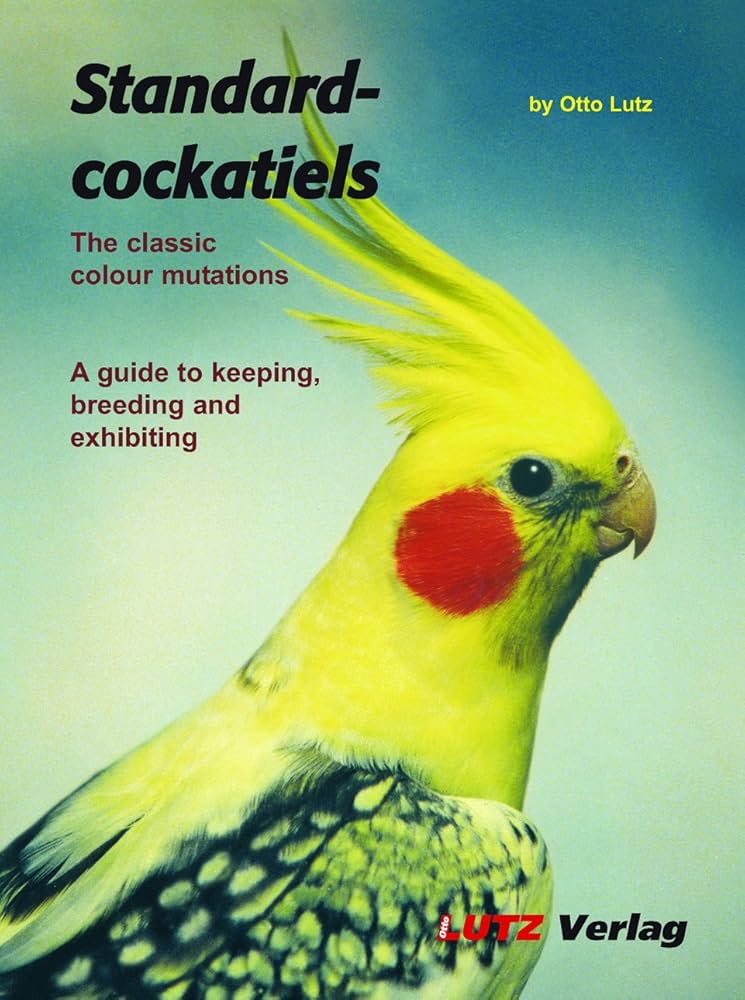
Breeding cockatiels can be a rewarding experience, but it often comes with challenges, especially when aiming for specific color mutations. This guide will help you understand the genetics behind common cockatiel colors and troubleshoot issues you might encounter, drawing from common questions and expert advice in the field.
The Challenges of Cockatiel Breeding
Many new breeders find themselves perplexed when their carefully planned pairings don’t produce the expected offspring. A common scenario involves purchasing birds from different breeders and being unable to track their lineage, leading to unexpected genetic outcomes. For instance, a pair described as Lutino (a mutation resulting in a fully yellow or white bird with red eyes) may produce only normal or pearl babies instead of the desired Lutino offspring. This often indicates that the initial assessment of the birds’ genetic makeup, or “splits,” might be inaccurate.
Misidentified Breeding Pairs
A frequent source of confusion is misidentifying the genetic traits carried by individual birds. For example, a male and female Lutino pair that only produce normal and pearl babies might actually consist of a Lutino female and a completely clear Pied male. Clear Pied cockatiels can visually resemble Lutinos, making them difficult to distinguish without proper lineage records. These pairings can result in offspring that are pearl and normal females, and normal males split for Lutino, Pied, and potentially Pearl. To produce Lutinos, a male that is Lutino or carries the Lutino gene must be bred to the female. Breeding a Lutino-Pearl male to your Lutino female, for instance, would yield Lutino-Pearl females and Lutino/Pearl males, allowing for easier sexing of chicks in the nest.
Understanding Cinnamon and Pearl Mutations
Similar genetic complexities arise with other mutations like Cinnamon and Pearl. A pair consisting of a Cinnamon-Lutino-Pearl female and a Cinnamon male might produce Cinnamon and Pearl babies. However, if the male is also split for Lutino, the possibilities expand. The Cinnamon trait in hens often first appears as a slight dinginess on the longest wing feathers. Understanding these subtle visual cues is crucial for accurate breeding management.
The Importance of Accurate Identification and Record Keeping
The core of many breeding problems lies not in what the breeder is doing wrong, but in the potential for poor record-keeping or misidentification by the original breeder. This is where proper banding and detailed pedigrees become indispensable. Bands serve to identify individual birds, their breeder, and their hatching year. Without them, tracing lineage and predicting offspring traits becomes nearly impossible. Reputable breeders will always band their birds, maintain meticulous records of matings, and be willing to provide a pedigree detailing the bird’s genetic background, band number, hatch date, and any show records. They should also guarantee the genetic traits of their birds and offer guidance on successful matings.
Visualizing Cockatiel Mutations
When looking at cockatiels, distinguishing between mutations can be challenging. A true Lutino-Pied cockatiel should be entirely yellow or white, with its longest flight feathers also being yellow. However, some completely clear Pied birds, which lack visible dark pigment, can be mistaken for Lutinos or Lutino-Pieds. These birds, while visually similar, are incapable of producing Lutino offspring.
The interaction between mutations can also affect appearance. When Lutino is crossed with most other mutations (excluding Cinnamon), the yellow or light pigments (lipochromes) completely mask the dark pigments (melanin). However, in a Cinnamon-Lutino cross, the melanin is not fully masked, resulting in a “dirty” Lutino appearance, often with a cinnamon shading noticeable on the longest wing feathers and sometimes giving the entire body a cinnamon hue.
Achieving Desired Cockatiel Colors
To overcome breeding challenges and achieve the specific colors you desire, several strategies can be employed:
- Purchase from Reputable Breeders: Seek out breeders who are known for their expertise, meticulous record-keeping, and commitment to genetic transparency. They can provide birds with documented genetic backgrounds and offer valuable advice.
- Breed Offspring Back to Parents: If the offspring from your current pairs exhibit desirable traits, consider breeding them back to their parents. This can help concentrate and reinforce specific genetic mutations.
- Understand Gene Interactions: Educate yourself on how different color mutations interact. This knowledge is key to predicting the outcome of various pairings and making informed decisions.
Conclusion: The Foundation of Successful Breeding
Ultimately, successful cockatiel breeding hinges on accurate identification, diligent record-keeping, and a solid understanding of avian genetics. By partnering with knowledgeable breeders and meticulously tracking your own birds’ lineage and offspring, you can significantly improve your chances of producing the beautiful and specific cockatiel colors you envision. Remember, a well-banded bird with a detailed pedigree is your most valuable asset in the journey of cockatiel breeding.
