
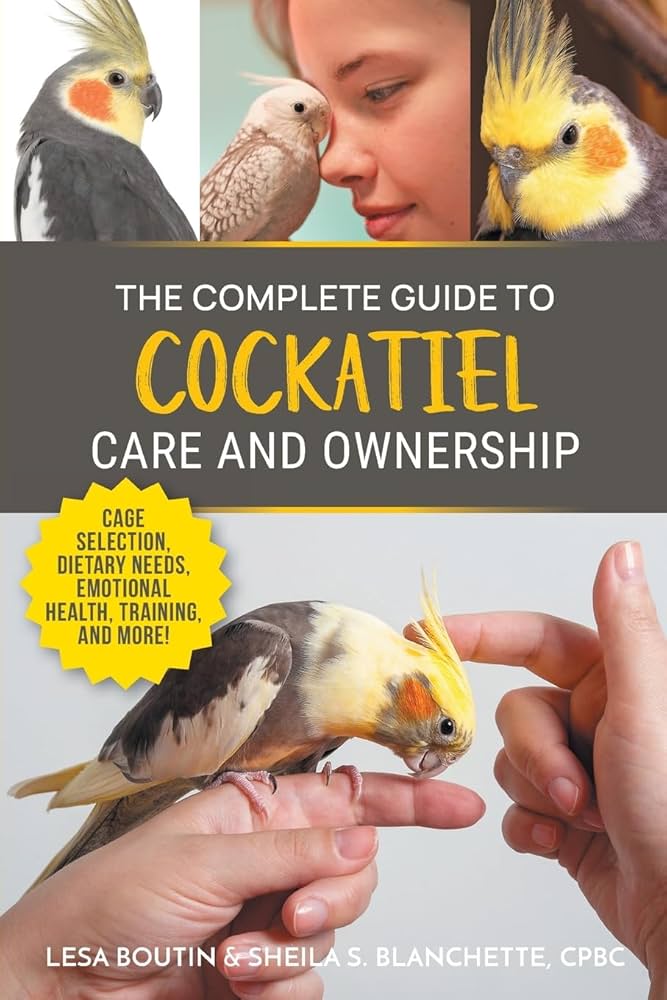
Bringing a cockatiel into your home means welcoming an intelligent, social, and affectionate companion. These birds are known for their ability to bond closely with their human families, enjoying daily interaction and handling when properly socialized. This guide will delve into the essential aspects of cockatiel care, from habitat setup and diet to grooming and veterinary needs, ensuring your feathered friend thrives.
Understanding Cockatiel Characteristics
Before you begin, it’s helpful to understand the basic characteristics of cockatiels. They are generally considered a beginner-friendly pet bird with an average lifespan of up to 25 years with proper care. Adult cockatiels typically measure 11–14 inches from head to tail. As grain-eaters, their diet should reflect this, and they require a minimum habitat size of 24” L x 24” W x 30” H.
A crucial aspect of cockatiel health, particularly for females, is their propensity for chronic egg-laying. Even without a male, females may lay infertile eggs regularly. This can lead to depletion of vital minerals and calcium, potentially causing egg binding, a serious condition requiring immediate veterinary attention. Furthermore, cockatiels possess sensitive respiratory systems. It’s vital to keep them away from products emitting toxic fumes, such as those with nonstick coatings, candles, air fresheners, and aerosol sprays.
Essential Cockatiel Supplies
To ensure your cockatiel’s well-being and happiness, a comprehensive supply checklist is essential. This includes:
- Dietary Essentials: Millet spray (as a treat), cuttlebone, cuttlebone/millet holder, and a variety of treats.
- Habitat Furnishings: Food and water dishes, assorted perches, toys for stimulation, a bird bath, and grooming supplies.
- Habitat Maintenance: Habitat paper or litter, and a UV light source.
Setting Up the Ideal Cockatiel Habitat
The ideal habitat for a single cockatiel should be at least 24 inches long, 24 inches wide, and 30 inches high. The spacing between cage bars must be half an inch or less to prevent escapes or injuries. Ensure the cage is spacious enough for your cockatiel to stretch and flap its wings comfortably; always opt for the largest habitat possible. Avoid homemade habitats or those made of wood or galvanized wire, as these materials can expose birds to toxic chemicals.
Cockatiels are comfortable in typical household temperatures between 65–80°F. Protect them from extreme temperature fluctuations and keep their habitat in a draft-free, well-lit area away from air conditioners and other pets. While they can be housed alone or in compatible groups of the same species, never house different species together.
Habitat Configuration
A removable metal grate at the bottom of the cage allows droppings to fall away from the bird’s feet. Line the tray beneath the grate with habitat paper or other paper-based bedding to maintain cleanliness and minimize dust.
Crucially, birds require exposure to ultraviolet (UV) light to synthesize Vitamin D, essential for calcium absorption. Glass windows block UV rays, so simply placing the cage by an indoor window is insufficient. Birds can benefit from supervised outdoor time in an escape-proof cage, weather permitting, but should never be left unattended or placed in direct sunlight. Supplementing natural light, a full-spectrum UV light designed for birds should be used for 10–12 hours daily, positioned 12–18 inches from the perch. Remember to replace UV lights every six months as their potency diminishes.
Essential Accessories
- Perches: Provide perches of varying sizes, heights, textures, and materials (wood, braided rope, natural branches). Each perch should be at least 5 inches long and half an inch in diameter to ensure a proper grip and prevent pressure sores. Avoid sandpaper perches, which can be abrasive. Do not place perches directly above food or water dishes to prevent contamination from droppings.
- Toys: Offer a variety of enrichment toys to combat boredom and encourage mental and physical stimulation, which helps prevent behavioral issues like feather plucking. Toys made from cardboard, paper, soft wood, or hard, non-ingestible plastic are suitable. Regularly rotate toys to maintain interest. Ensure hanging toys are securely fastened to prevent self-injury. Toys should not have small, detachable parts that can be swallowed.
- Dishes: Use separate dishes for dry food, fresh food, and water. If housing multiple cockatiels, each bird needs its own feeding station to reduce competition.
- Cuttlebones: These are a vital source of calcium, especially for egg-laying females, aiding in egg and eggshell formation.
Cockatiel Cleaning and Maintenance
Daily spot cleaning is crucial, involving the removal of soiled material and discarded food. Food and water dishes must be washed daily, and the habitat substrate, bedding, or liners should be replaced at least weekly, or more often if multiple birds share the space. Only use pet-specific cleaning agents, as birds’ respiratory systems are sensitive to fumes.
When cleaning the cage:
- Temporarily move the cockatiel to a secure, separate location.
- Remove old substrate, bedding, and accessories.
- Wash the habitat and accessories with a bird-safe cleaner or a 3% bleach solution.
- Rinse thoroughly to eliminate any residual cleaning agent or bleach.
- Allow everything to dry completely before reassembling.
- Return the cockatiel to its clean habitat.
Cockatiel Diet and Nutrition
A balanced cockatiel diet should consist primarily of high-quality pelleted food formulated for cockatiels, making up 60–70% of their intake. Offer vegetables, fruits, and other table foods in moderation (no more than 30%), with treats like seeds accounting for no more than 10%. Most fruits and vegetables are safe, excluding onions and garlic. Avoid avocados and fruit seeds/pits. Fortified seeds and millet can be offered as occasional treats. Discard uneaten fruits and vegetables within 10 hours to prevent spoilage. Fresh, clean water should be changed daily.
Crucially, never share food from your mouth or plate, as human microorganisms can be harmful to birds. Avoid feeding chocolate, caffeine, or alcohol, as these are toxic and potentially fatal.
Cockatiel Grooming and Care
Avoid nonstick cookware and appliances due to the release of toxic PTFE fumes when heated, which can be lethal to birds.
Wing Clipping
Wing clipping can temporarily prevent a bird from flying away by reducing lift. A properly performed clip allows the bird to glide safely to the ground. This procedure should only be performed by a trained professional or someone with specific training to avoid severe injury. Clipping the outermost flight feathers can help prevent accidents. Consult an avian veterinarian before attempting this. Wing clipping needs to be repeated every few months as feathers regrow.
Bathing
Ensure water dishes are large enough for bathing. If your cockatiel doesn’t bathe regularly, you can gently mist it with warm water from a clean spray bottle a few times a week.
Nail and Beak Care
Nails require trimming as needed, typically every few weeks to months, and should be done by a trained professional or veterinarian to prevent injury. Styptic powder can be used to stop bleeding if it occurs. Most cockatiels do not need beak trims if their beaks are healthy and used daily. Abnormal beak growth may indicate underlying conditions like liver disease or trauma and requires veterinary diagnosis.
Cockatiel Veterinary Care
Annual Check-ups
Schedule annual veterinary check-ups for your cockatiel. Use a suitable transport carrier or cage and bring pictures of their home environment for the veterinarian’s review.
Signs of a Healthy Cockatiel
A healthy cockatiel exhibits clear, bright eyes; clean nostrils; an intact, symmetrical beak; clean, well-kept feathers; clean feet with a strong, even grip; a clean vent/cloaca; full and symmetrical wing movement; and consistent droppings.
When to Seek Veterinary Attention
Contact a veterinarian immediately if you observe eye or nasal discharge, an overgrown or fractured beak, feather plucking or bleeding, itching, lack of foot grip, foot sores, discharge from the cloaca, abnormal droppings, limping or abnormal limb/wing posture, loss of appetite, hiding, lack of vocalization, constantly fluffed feathers, or rapid breathing. A head tilt can also be a sign of illness.
Common Illnesses
Common ailments include malnutrition (Vitamin A or D deficiencies), egg binding, Chlamydia, Tyzzer’s Disease, yeast infections (Candida), overgrown beaks, trauma, heavy metal toxicities, Teflon toxicity, and cancer.
Cockatiel FAQs
Are cockatiels high maintenance?
While not considered as high-maintenance as some other birds, cockatiels require significant attention and environmental enrichment for a long, healthy life. Improper care or diet can lead to health issues more rapidly than in other species.
What do cockatiels need in their cage?
A cockatiel’s cage should be equipped with a variety of perches and swings, food and water dishes, a bird bath (unless daily bathing is provided elsewhere), and an assortment of toys, particularly foraging toys.
Do cockatiels like to be held?
Cockatiels are highly social and enjoy spending time with their owners. They often like to accompany their people and will perch on hands, though they typically prefer perching to being held tightly.
