
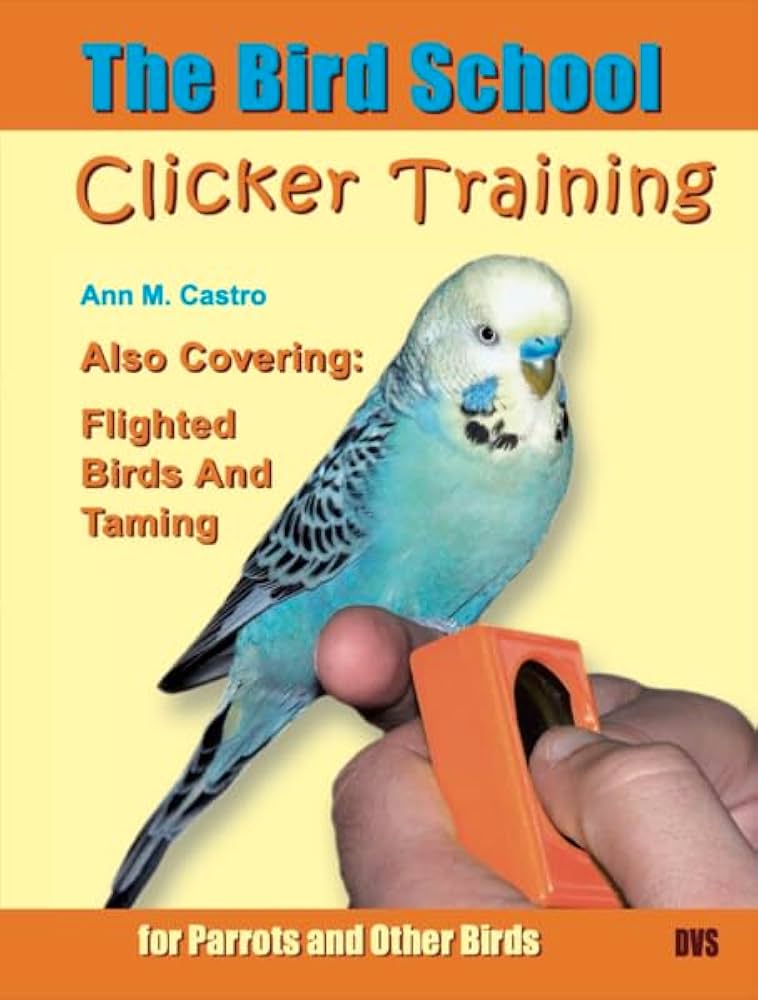
Many Quaker parrot owners struggle with the “step-up” command, often leading to a cycle of biting and avoidance. When your parrot perceives stepping up as the end of playtime or a precursor to being confined, they are less likely to comply and may resort to biting. The key to successful step-up training lies in making the experience consistently positive and reinforcing for your bird. This guide will help you transform this challenging behavior into a rewarding interaction.
Making Every Step-Up a Positive Experience
To effectively train your Quaker parrot to step up willingly, it’s crucial to practice the command at various times throughout the day and ensure it is reinforced every single time. Instead of viewing stepping up as merely a means to an end (like going back into the cage), associate it with desirable outcomes. For instance, you can make stepping up a gateway to enjoyable activities.
Consider using the step-up command to transport your parrot to a favorite location, such as a play stand, the top of their cage, or even a window where they can observe the outside world with you. This redirection shifts the focus from the act of stepping up itself to the pleasant activity that follows. Reinforcing the behavior with a small, high-value treat, like a piece of millet spray, can also significantly increase their motivation. Approach the cage with the treat, offering it as your parrot steps onto the perch or your hand.
If you must place your parrot back in their cage, try to make the transition as positive as possible. You could start by having some fun outside the cage before returning, making the step-up a prelude to continued positive interaction. Once inside, ensure that stepping into the cage is also highly reinforcing. Offer a special treat that is only available when they are inside. This pairing of entering the cage with a good experience will help your parrot look forward to going inside. Continue to engage with your parrot after closing the door by offering more treats, singing, or engaging in a brief play session. The goal is to make their time in the cage a positive experience, not just a confinement.
Retraining for Emergencies with a Hand-Held Perch
In addition to practicing with your hand, it’s a good idea to retrain your parrot to step up onto a hand-held perch. This is especially important for emergencies or situations where direct hand contact might be difficult or stressful for your bird. A hand-held perch doesn’t have to be a traditional wooden dowel; it can be a folded rope perch, a small cushion, a sturdy basket handle, a multi-stemmed perch, or even the top of a travel cage. The variety of options ensures you can find something comfortable and appealing for your parrot. This alternative “stepping up” target provides a safe and reliable method for handling your bird when needed, reducing stress for both of you.
Understanding Your Parrot’s Motivation
Quaker parrots, like many intelligent birds, are motivated by positive reinforcement. When they bite or lunge during the step-up command, it’s often a learned behavior stemming from their previous experiences. If stepping up consistently leads to something they dislike (like being put away), they will learn to avoid it. By consistently rewarding them for a successful step-up, you are teaching them that cooperating with this command leads to good things. This may require patience and a willingness to experiment with different types of reinforcement to discover what your individual parrot values most. Remember that consistency is key; every step-up interaction is a learning opportunity for your parrot.
