
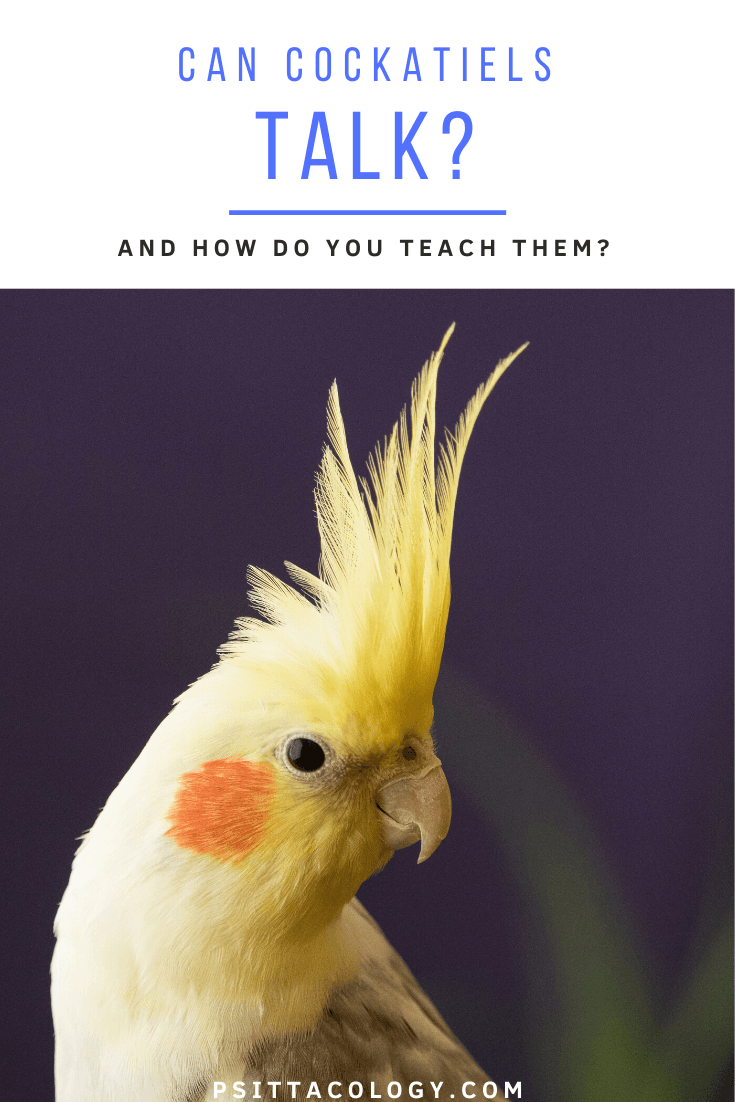
Ever wondered if your feathered friend has more to say than just chirps and squawks? Bringing a cockatiel into your home opens up a world of companionship, and for many, the dream is to have their intelligent bird engage in conversation. Teaching a cockatiel to talk is a rewarding journey that strengthens your bond and brings a unique personality to your life. It’s not magic; it’s a process built on patience, consistency, and understanding how these fascinating birds learn. Let’s dive into the exciting world of cockatiel talking and training, and discover how to unlock your bird’s vocal potential.
Understanding How Cockatiels Learn to Talk
Before we begin the training, it’s crucial to understand the natural communication abilities of cockatiels. Wild cockatiels use a variety of whistles, calls, and chirps to communicate with each other, signaling warnings, expressing excitement, or maintaining contact. Their ability to mimic sounds, including human speech, is a natural extension of this. It’s important to remember that not all cockatiels will becomeChatterboxes. Some are naturally more inclined to mimic than others, and individual personality plays a significant role. The key is to create a positive and engaging environment that encourages them to experiment with sounds.
Factors Influencing Talking Ability
Several factors can influence how well your cockatiel talks:
- Age: Younger birds are generally more receptive to learning new sounds and words.
- Species: While cockatiels are known for their mimicry, some individuals within the species are simply more vocally talented.
- Environment: A stimulating and interactive environment is more conducive to learning than a quiet, isolated one.
- Your Involvement: Consistent and positive interaction from you is the most critical factor.
Getting Started: Essential Preparations for Training
Success in training your cockatiel to talk hinges on proper preparation. Think of it as building a strong foundation before constructing a house. This involves creating the right environment and having the necessary tools and mindset.
Creating a Conducive Environment
Your cockatiel’s living space should be a place where they feel safe, comfortable, and stimulated.
- Cage Placement: Position the cage in a busy area of your home where your bird can observe and interact with the family, but not in direct, harsh sunlight or drafts.
- Enrichment: Provide plenty of toys, perches, and opportunities for mental stimulation. A bored bird is less likely to be interested in learning.
- Social Interaction: Spend quality time with your cockatiel daily. This interaction is the bedrock of all training.
Choosing Your Training Approach
There are several effective methods for teaching your cockatiel to talk, often used in combination.
- Repetition: This is the cornerstone of bird training. Consistent repetition of words or phrases is key.
- Association: Linking words to actions or objects helps your bird understand context. For example, saying “hello” when you enter the room.
- Positive Reinforcement: Rewarding desired behaviors (like attempting a new sound) with praise, a favorite treat, or a head scratch is crucial.
Step-by-Step Training Techniques for a Talking Cockatiel
Now for the practical part! Here’s how to implement effective training techniques. Remember, patience is your greatest asset.
1. Start with Simple Words and Sounds
Begin with short, clear, and distinct words. “Hello,” “Hi,” or your bird’s name are excellent starting points.
- Speak Clearly: Enunciate each word carefully.
- Repeat Consistently: Say the chosen word multiple times a day, especially during interaction times.
- Use a Cheerful Tone: Birds respond well to enthusiastic and happy vocalizations.
2. Make it a Daily Routine
Consistency is paramount. Dedicate specific times each day for your training sessions. Short, frequent sessions (5-10 minutes, 2-3 times a day) are more effective than one long session.
- Morning Greetings: Greet your bird with their name or “hello” as soon as you interact with them.
- Bedtime Farewells: Say “goodbye” or “night night” when you cover their cage.
3. Use Positive Reinforcement
Reward any attempt your cockatiel makes to mimic or approximate the sounds you are teaching.
- Verbal Praise: Offer enthusiastic “Good bird!” or “Yes!” when they try.
- Treats: Small, favorite treats can be highly motivating. Offer a tiny piece of millet or a seed.
- Physical Affection: Gentle head scratches or a favorite petting spot can be rewarding for some birds.
4. Associate Words with Actions
Help your bird understand the meaning behind the words.
- “Step up”: Say “step up” as you offer your finger for them to perch on.
- “Want a treat?”: Say this phrase as you offer a treat.
- “Good morning”: Say this when you first open their cage.
5. Introduce Whistles and Tones
Many cockatiels learn to whistle before they talk. You can teach them simple tunes or distinct whistle calls.
- Whistle Back: If your bird whistles, try to whistle back, perhaps incorporating a specific pattern.
- Sing Short Tunes: Hum or sing simple, repetitive songs.
6. Leverage Technology (with Caution)
Recordings can supplement your efforts, but they should never replace human interaction.
- Audio Recordings: Use clear recordings of the words you are teaching. Play them softly when you are not actively training.
- Avoid Over-Reliance: Too much passive listening can be less effective than direct interaction and may even bore your bird.
Common Challenges and How to Overcome Them
The journey to a talking cockatiel isn’t always smooth sailing. Here are some common hurdles and how to navigate them.
My Cockatiel Isn’t Talking!
- Patience: This is the most important factor. Some birds take months or even years to start talking.
- Genetics: As mentioned, some birds are naturally quieter. Celebrate their other unique qualities!
- Environment: Is your bird stressed, lonely, or lacking stimulation? Address these underlying issues first.
- Consider a Companion Bird: For some solitary birds, a companion bird might encourage more vocalization, but this is a commitment.
My Cockatiel Only Mimics Other Sounds
- Focus on Speech: Gently redirect their attention. When they make a non-speech sound, don’t reward it. Wait for an attempt at speech, then reward enthusiastically.
- Be the Primary Sound Source: Limit exposure to other mimicking sounds if possible.
My Cockatiel is Scared of Me
- Build Trust: If your bird is fearful, focus on basic trust-building exercises before attempting to teach speech. Go slow, let them come to you, and avoid sudden movements.
Beyond Talking: The Benefits of Training Your Cockatiel
Teaching your cockatiel to talk is more than just a fun trick; it’s a powerful tool for building a strong relationship.
- Enhanced Bonding: The consistent interaction required for training deepens your connection.
- Improved Mental Stimulation: Learning keeps their minds sharp and prevents boredom-related behavioral issues.
- Understanding Their Needs: As you learn to communicate, you become more attuned to your bird’s emotional state and needs.
- A Unique Companion: A talking cockatiel offers unparalleled companionship and entertainment.
Frequently Asked Questions About Cockatiel Talking Training
Q1: How long does it take for a cockatiel to start talking?
A1: It varies greatly. Some may start mimicking sounds within a few weeks, while others might take several months or even a year. Patience is key.
Q2: Can any cockatiel learn to talk?
A2: While most cockatiels have the ability to mimic, not all will develop a large vocabulary. Individual aptitude, personality, and the owner’s dedication play significant roles.
Q3: What is the best age to start training?
A3: It’s generally best to start training when your cockatiel is young, as they are often more receptive to learning. However, older birds can also learn with consistent effort.
Q4: Should I use a recording to teach my bird?
A4: Recordings can be a helpful supplement, but they should never replace direct human interaction. Your voice and presence are the most effective tools.
Q5: What if my cockatiel just whistles?
A5: Whistling is a form of communication and a sign of intelligence! Many cockatiels are excellent whistlers, and this is a valuable skill in itself. You can still try to introduce speech sounds alongside whistling.
Conclusion: The Rewarding Journey of a Talking Cockatiel
Embarking on the journey to teach your cockatiel to talk is an investment of time and love, but the rewards are immeasurable. By understanding their learning process, employing consistent and positive training techniques, and celebrating every small step, you can foster a deeper bond with your feathered companion. Remember, whether your cockatiel becomes a chatterbox or a maestro of whistles, the effort you put into training enriches their life and yours. So, start talking, start training, and enjoy the unique story you’ll create together with your talking cockatiel.
