
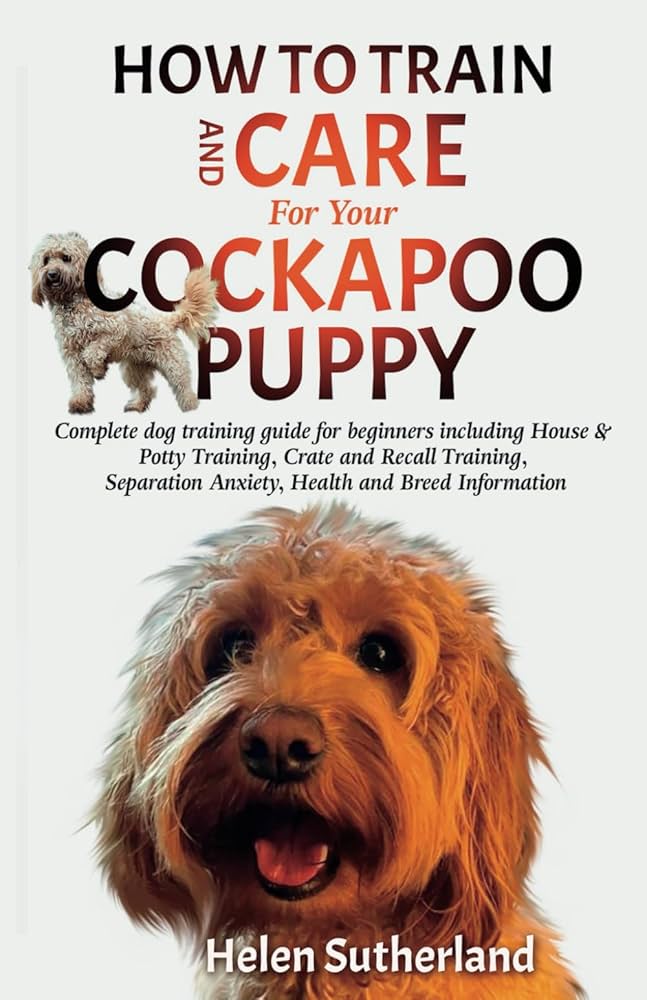
Bringing home a Cockapoo puppy is an exciting time, filled with the anticipation of a loyal and energetic companion. These charming dogs, a cross between the intelligent Poodle and the eager-to-please Cocker Spaniel, are known for their “designer dog” status, their teddy bear appearance, and their boundless enthusiasm. While their sweet looks might suggest a docile nature, Cockapoos are active and inquisitive dogs that thrive on proper guidance and training. This guide will equip you with the knowledge and strategies to ensure your Cockapoo puppy grows into a well-behaved and confident adult. For those seeking broader puppy training insights, our ultimate puppy training guide offers a wealth of information.
Understanding Your Cockapoo’s Training Needs
Cockapoos are a hybrid breed resulting from the intelligent Poodle and the Cocker Spaniel, both known for their trainability. This makes Cockapoos highly intelligent and quick learners, ideally suited for families when trained with positive reinforcement methods. Basic commands, house training, and leash manners can be mastered swiftly, leading to a well-adjusted canine companion. However, their intelligence also means they can become bored easily if not mentally and physically stimulated, potentially leading to destructive behaviors. Understanding their heritage—the Cocker Spaniel’s working drive to flush game and the Poodle’s water retrieving skills and sharp intellect—provides insight into their aptitude for various activities like agility, scent work, and trick training. Cockapoos are often bred for their hypoallergenic coats, though this isn’t always guaranteed, making them popular for families. They possess a strong work ethic, build close bonds with their owners, and can adapt to new environments with proper socialization. As one expert aptly put it, owning a Cockapoo is like having a companion who is a “combination of Chess and CrossFit,” possessing high intelligence and elite fitness levels.
To channel their energy effectively, consistent exercise and mental stimulation are crucial. This includes regular walks, engaging play sessions, and training exercises. While many Cockapoos enjoy the countryside, with appropriate training, they can adapt well to city living. Their keen sense of smell makes scent-based games particularly rewarding, and their love for retrieving means they excel at fetch. Their coats require regular grooming to prevent matting, and it’s important to handle them gently. Remember, a tired dog is a well-behaved dog. If your Cockapoo shows signs of stress or disinterest during training, it’s time for a break and some fun play.
Training Program Overview
This comprehensive 8-week guide covers essential training topics for your Cockapoo puppy, including:
- Basic Commands: Sitting, lying down, learning their name, and recall.
- Leash Manners: Walking nicely on a lead.
- Recall: Encouraging them to come when called.
- Fetch: Developing retrieving skills.
- Crate Training: Creating a safe den.
- Potty Training: Establishing appropriate elimination habits.
- Alone Training: Helping them cope with separation.
The “Push Drop Stick” training strategy is employed to gradually increase exercise difficulty, ensuring engagement and preventing boredom.
Can Cockapoos Be Left Alone?
Once settled and toilet-trained, most adult Cockapoos can be left alone for six to eight hours. However, it’s crucial to introduce this gradually, as rushing the process can lead to anxiety.
Exercise Needs
Adult Cockapoos generally benefit from two walks daily, supplemented with stimulating activities. Puppies, however, require shorter, more frequent walks to protect their developing bones and joints. A general guideline for adult dogs is one hour of walking per 30 pounds of body weight, adjustable based on your dog’s individual needs.
Weeks 1-8: A Structured Training Journey
Week 1: Bonding and Introduction
This initial week focuses on bonding with your new puppy and introducing them to their new environment. Key activities include:
- Socialization: Exploring the garden, getting accustomed to different surfaces.
- Training: Name recognition, sit, recall, retrieve, crate training, potty training, and initial alone training.
- Husbandry: Brushing and hand touch exercises.
Allow your puppy to sleep in your room initially to build trust and aid in potty training. Start alone training gradually, and ensure frequent opportunities for potty breaks. Positive reinforcement is key; reward desired behaviors generously. Teaching your puppy to accept handling is also important, using treats to create positive associations. Preventing resource guarding by trading items for higher-value rewards is also a wise practice.
Week 2: Building Foundations
Building on the first week, this period introduces more socialization and training elements:
- Socialization: Exposure to fireworks (at low volume), observing the outside world, “dress-up” games, car rides, and inviting friends over.
- Training: Continued alone and crate training, potty training, name recognition in the garden, recall cues, fetch, introducing “down” with a cue, and leash walking.
- Husbandry: Regular grooming.
Focus on positive associations with the car by feeding meals inside. Introduce novelty through “dress-up” and observing the world from a safe distance. For grooming, use positive reinforcement with treats and lick mats, starting with gentle brushing and gradually introducing a comb for tangles, always using a conditioning spray and working gently.
Week 3: Developing Social Skills and Independence
As your Cockapoo grows, week three introduces more complex socialization and training:
- Socialization: Scent trails, short car rides, inviting friends over, and creating a puppy socialization checklist.
- Training: Recall outdoors, teaching “sit to greet” to prevent jumping, introducing the “down” command, generalization of cues in different locations, and continuing alone training.
- Husbandry: Harness fitting.
Introduce scent trails to engage their natural sniffing abilities. When friends visit, encourage calm greetings and “sit to greet” behavior. Generalization involves practicing known commands in various settings to ensure your puppy understands them everywhere. Proper harness fitting is essential for comfortable walks, opting for a Y-shaped, lightweight, and padded design.
Week 4: Socialization and Leash Training
This week focuses on introducing your puppy to other dogs and refining leash manners:
- Socialization: Meeting another dog and finding a puppy class.
- Training: “Settle on a mat” command, loose-lead walking, recall games, and practicing known exercises with the “Push/Drop/Stick” method.
- Husbandry: Grooming sensitive areas.
Socializing with other dogs is vital for developing friendly interactions. Look for positive reinforcement-based puppy classes. Practice loose-lead walking by maintaining a brisk pace and rewarding frequently. Introduce grooming to sensitive areas like under the arms and face, keeping sessions short and positive.
Week 5: Outdoor Training and Independence
With full vaccinations, training can move outdoors, building on previous skills:
- Socialization: Visiting dog-friendly pubs or cafes, and checking off items on your personal socialization checklist.
- Training: Increasing duration for alone training, practicing recall and leash walking outdoors, and advancing known exercises.
- Husbandry: Practicing pretend nail trims.
Take your Cockapoo to public places, using a settle mat and engaging chew toys. Gradually increase alone time. When practicing recall and leash walking outdoors, manage distractions with treats and a consistent pace. Introduce pretend nail trims gently to prepare them for future grooming needs.
Week 6: Refining Talents
This week is about refining your Cockapoo’s developing skills:
- Socialization: Continuing to check off socialization checklist items.
- Training: Focusing on “following on walks” and advancing known exercises.
- Husbandry: Checking your puppy’s mouth and teeth.
Use toys and treats to encourage your Cockapoo to stay close during walks, mimicking the Pied Piper. Continue to challenge them with the “Push/Drop/Stick” method, perhaps extending the duration of commands like “sit.” Regularly check their mouth and teeth to build tolerance for future dental care.
Week 7: Introducing New Challenges
As your puppy matures mentally, introduce new skills and experiences:
- Socialization: Puppy Parkour (foundation agility), walking with a familiar dog, and continuing socialization checklist items.
- Training: Teaching “stay,” walking off-lead safely, and practicing known exercises.
- Husbandry: Pretending to administer ear drops.
Engage in puppy agility foundations, focusing on flatwork and recalls. Gradually introduce off-lead recall in safe areas. Practice the “stay” command, which is crucial for energetic Cockapoos. Prepare them for ear care by practicing gentle handling and pretend ear drops, especially important given their susceptibility to ear issues.
Week 8: Generalization and Advanced Skills
In the final week, focus on generalizing behaviors and introducing new activities:
- Socialization: Introducing them to joggers and cyclists, and completing the socialisation checklist.
- Training: Practicing exercises in different locations, teaching a hand target, introducing nose work, and nail trims.
- Husbandry: Actual nail trims.
Teach your Cockapoo to remain calm around joggers and cyclists through positive reinforcement. Generalize commands by practicing in various environments like pet shops, using high-value treats. Introduce nose work through hide-and-seek games, leveraging their strong scenting abilities. Finally, proceed with actual nail trims, building on the practice from previous weeks.
What’s Next for Your Cockapoo?
Continue reinforcing these training principles and exploring your Cockapoo’s potential. For more guidance, consult our puppy training tips and our overview on when to start training your puppy. Download the Zigzag puppy training app for personalized training programs, and reach out to our team of puppy training experts for tailored advice. Remember, consistent training, positive reinforcement, and understanding your Cockapoo’s needs are the keys to a happy and harmonious life together.
