
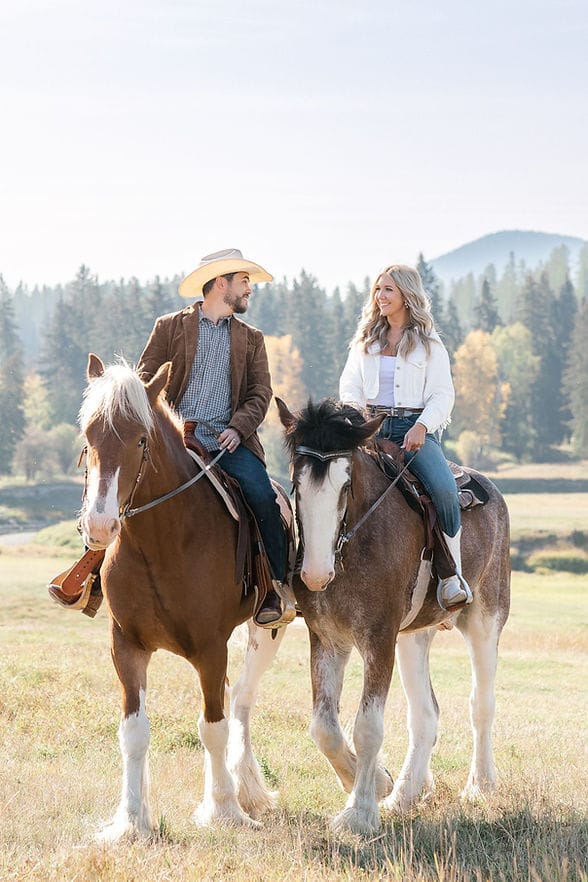
The world of horse training is vast and varied, but few breeds capture the imagination quite like the Clydesdale. Known for their majestic size, powerful build, and distinctive feathered legs, Clydesdales are more than just a pretty face; they are intelligent, willing partners when trained with understanding and consistency. Whether you’re envisioning a gentle companion for leisurely rides, a powerful showman for the arena, or a capable worker for specific tasks, understanding the nuances of Clydesdale Horse Training is key to unlocking their full potential. This guide delves into the essential principles and practices for effectively training these magnificent gentle giants.
Understanding the Clydesdale Temperament
Before embarking on any training journey, it’s crucial to understand the breed’s inherent characteristics. Clydesdales, despite their imposing stature, are generally known for their docile and amiable temperament. They possess a calm disposition, a strong work ethic, and a desire to please their handlers. This inherent willingness makes them highly trainable, but their size also demands a respectful and firm approach. Early socialization is paramount, exposing young Clydesdales to various sights, sounds, and experiences to build their confidence and prevent fear-based reactions later in life. A well-socialized Clydesdale is more likely to approach new situations with curiosity rather than apprehension, forming a solid foundation for all subsequent training.
Foundational Training: Building Trust and Respect
The cornerstone of any successful horse training program, especially with a large breed like the Clydesdale, is building a relationship based on trust and mutual respect. This begins the moment you interact with the horse. Gentle handling, consistent routines, and positive reinforcement are vital.
Halter Breaking and Leading
Introducing the halter should be a calm and positive experience. Allow the horse to investigate the halter first, then gently place it on. Reward acceptance with praise and a treat. Leading exercises should start in a controlled environment, focusing on clear communication. The handler must be confident and assertive, but never forceful. Teaching the Clydesdale to yield to pressure on the lead rope is fundamental for safe handling and for future groundwork. This includes teaching them to move forward, stop, and stand patiently.
Groundwork and Desensitization
Groundwork is not just about teaching commands; it’s about developing communication and understanding. Exercises like lunging, yielding to pressure, and responding to voice commands build a strong partnership. Desensitization is equally important. Exposing your Clydesdale to various stimuli – like flapping tarps, strange objects, or sudden noises – in a controlled manner helps them remain calm in different environments. Always approach desensitization gradually, rewarding calm reactions and never pushing the horse beyond its comfort zone. This process is crucial for ensuring they can handle the demands of parades, shows, or any situation where they might encounter novel stimuli.
Introducing Basic Riding Aids
Once a solid foundation of groundwork is established, you can begin introducing basic riding aids. This is a gradual process that requires patience and careful observation of the horse’s responses.
Saddle and Bridle Introduction
The first introduction to the saddle and bridle should be slow and positive. Allow the horse to sniff and investigate the equipment. Gently place the saddle on its back, ensuring it fits correctly to avoid discomfort. Leave it on for short periods, gradually increasing the time. Similarly, introduce the bridle piece by piece, rewarding acceptance at each step. Ensure the bit is a comfortable weight and size for the Clydesdale’s mouth. Proper fitting of both saddle and bridle is critical for the Clydesdale’s comfort and the success of training. Discomfort can lead to resistance and behavioral issues.
First Rides
Initial rides should be short and in a safe, enclosed area. The focus is on getting the horse accustomed to the rider’s weight and subtle cues. Start with simply walking and stopping, using clear, gentle aids. Encourage the horse to respond to leg pressure and rein cues. As the Clydesdale becomes more comfortable, you can gradually introduce more complex movements, always ensuring the horse understands the aids before progressing. Positive reinforcement, such as praise and a pat after a successful session, goes a long way in building confidence and willingness.
Specialized Training for Clydesdales
While general horse training principles apply, Clydesdales often benefit from training tailored to their specific strengths and potential roles.
Driving Training
Clydesdales were historically bred for draft work, and many excel in harness. Driving training requires a different set of skills and considerations. It typically begins with long-lining, where the handler works the horse from the ground with long reins attached to the bit. This teaches the horse to respond to rein pressure and voice commands while pulling a load (even if it’s just the weight of the harness initially). Gradually, a cart or wagon is introduced, starting with a light load and progressing as the horse gains confidence and experience. Safety is paramount, and the trainer must be experienced in driving techniques.
Show Training
For those interested in the show ring, training will focus on presentation and specific gaits. This includes teaching the Clydesdale to stand square for inspection, perform specific gaits with elegance and power, and remain unfazed by the show environment. This often involves extensive grooming, including the meticulous care of their distinctive feathering, and conditioning exercises to showcase their musculature and movement. Training for shows requires a high level of refinement and attention to detail.
Therapeutic Riding Programs
The calm and steady nature of many Clydesdales makes them excellent candidates for therapeutic riding programs. Training for this role emphasizes a bomb-proof temperament, responsiveness to subtle cues, and the ability to provide a stable and calming presence for riders with special needs. Extensive desensitization and exposure to various sensory inputs are crucial for this specialized form of training.
Considerations for Clydesdale Training
Size and Strength
Never underestimate the sheer power of a Clydesdale. Training must always prioritize safety for both horse and handler. Use appropriate equipment, such as heavy-duty halters and lead ropes, and ensure your facility is secure and large enough to accommodate their size. When teaching commands, use clear and consistent cues. A Clydesdale’s size means they can accidentally cause harm if they misunderstand or react unexpectedly.
Nutrition and Conditioning
A well-conditioned Clydesdale is essential for successful training and performance. Their dietary needs are significant due to their size. A balanced diet rich in quality forage, appropriate grains, and supplements will support their energy levels and overall health. Proper conditioning exercises, tailored to the horse’s age and training goals, will build muscle, improve stamina, and prevent injuries. Consult with a veterinarian or equine nutritionist to develop the best feeding and conditioning plan.
Health Considerations
Certain health issues are more common in draft breeds, such as ligament or joint problems, and skin conditions on their feathered legs (like mud fever). Understanding these potential issues and taking preventative measures through careful handling, appropriate footing, and diligent grooming is part of responsible training. Regular veterinary check-ups are essential to monitor their health.
The Journey of Training a Clydesdale
Training a Clydesdale is a rewarding endeavor that requires dedication, patience, and a deep understanding of equine behavior. By focusing on building a strong partnership through trust, consistent positive reinforcement, and a gradual approach to introducing new skills, you can help your Clydesdale become a confident, well-mannered, and versatile equine partner. Remember that each horse is an individual, and adapting your training methods to their specific personality and learning style is the hallmark of an excellent horse trainer. The journey from a young, untrained horse to a reliable partner is a testament to the remarkable bond that can be forged between humans and these magnificent creatures.
