
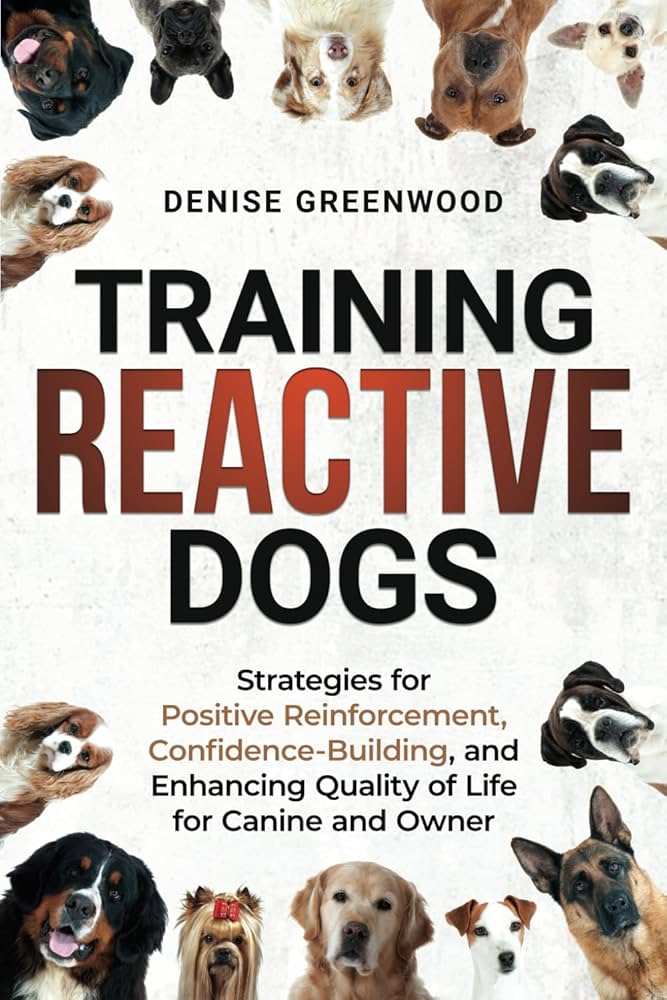
The journey of dog ownership is one filled with unconditional love, wet-nosed greetings, and an abundance of joy. At the heart of this incredible relationship lies the profound connection we share with our canine companions. While love and companionship are fundamental, a well-trained dog is a happier, safer, and more integrated member of the family. Dog training is not merely about obedience; it’s a powerful tool for forging a deeper, more understanding bond between you and your furry friend. It’s about communication, trust, and mutual respect, transforming everyday interactions into opportunities for connection.
Understanding the “Closer Bond Dog Training” Concept
At its core, “Closer Bond Dog Training” emphasizes positive reinforcement and understanding a dog’s natural behaviors and motivations. This approach moves beyond simple command-response training to foster a relationship built on trust and clear communication. It’s about working with your dog, not against them, to achieve desired behaviors. This philosophy recognizes that training is a two-way street: you learn to understand your dog’s signals, and they learn to understand your cues. The goal is not just a well-behaved dog, but a true partnership. This type of training often involves understanding canine body language, learning their individual quirks, and celebrating small victories together, reinforcing the idea that training sessions are bonding opportunities. It’s about making every interaction meaningful, turning the process of teaching and learning into a shared adventure.
The Science Behind the Bond
Our dogs are incredibly attuned to our emotions and actions. When we engage in positive training, we release oxytocin, the “love hormone,” in both ourselves and our dogs. This hormone plays a crucial role in social bonding and trust. Consistent, positive training sessions create predictable interactions, which can reduce anxiety for dogs and build a strong sense of security. This security, in turn, allows dogs to be more confident and responsive, further strengthening the bond. The repetitive nature of training, when done positively, becomes a ritual that both dog and owner anticipate, creating a unique form of shared experience that deepens the connection.
Why “Closer Bond” Matters More Than Just Obedience
While a dog that sits, stays, and comes when called is certainly desirable, the “closer bond” aspect of training goes much further. It means your dog trusts you implicitly, not out of fear, but out of respect and understanding. This trust is invaluable when facing challenging situations, whether it’s a sudden loud noise, an encounter with an unfamiliar dog, or simply navigating a busy street. A dog with a strong bond is more likely to look to their owner for guidance and reassurance, making them more adaptable and resilient. This deeper connection translates into a more harmonious coexistence, reducing stress for both the dog and the owner, and fostering an environment where the dog feels truly understood and cherished.
Essential Elements of Closer Bond Dog Training
Effective training that strengthens your bond with your dog relies on several key principles. These aren’t just techniques; they are foundational to building a lasting and trusting relationship. Embracing these elements will transform your training sessions from chores into cherished moments of connection.
Positive Reinforcement: The Cornerstone
Positive reinforcement is the bedrock of any relationship-focused training. This involves rewarding desired behaviors with something your dog values, such as treats, praise, or a favorite toy. The key is immediacy; the reward must follow the behavior quickly so your dog associates the action with the positive outcome. This method builds a positive association with training, making your dog eager to participate. It encourages them to think, problem-solve, and offer behaviors because they want to, not because they have to. This voluntary participation is crucial for developing a genuine partnership.
- High-Value Rewards: Identify what truly motivates your dog. For some, it’s a special treat; for others, it might be a vigorous game of fetch or enthusiastic verbal praise.
- Timing is Everything: Reward the instant your dog performs the desired action.
- Consistency: Ensure all family members use the same cues and reward systems.
Clear Communication: Speaking “Dog”
Dogs communicate through body language, vocalizations, and scent. We need to learn to read their signals and respond appropriately. Simultaneously, we must use clear, consistent verbal cues and body language that our dogs can understand. This two-way communication street is vital. For instance, understanding when your dog is feeling anxious or fearful allows you to de-escalate situations rather than pushing them further, which could damage trust. Learning to interpret their subtle cues prevents misunderstandings and builds confidence in your leadership.
- Learn Canine Body Language: Pay attention to tail wags (and their context), ear position, lip licking, yawning, and overall posture.
- Consistent Cues: Use the same word or hand signal for each command every time. Avoid changing commands or using confusing phrases.
- Tone of Voice: Dogs are sensitive to tone. Use a cheerful, encouraging tone for praise and a calm, firm tone for corrections.
Patience and Understanding
Every dog learns at their own pace, and some days will be better than others. There will be moments of frustration, but it’s crucial to remain patient. Remember that dogs don’t have the same cognitive abilities as humans; they are learning a new language and set of rules. Understanding their limitations and celebrating incremental progress is key. Instead of focusing on setbacks, acknowledge the effort they are putting in. This understanding fosters a safe environment where your dog feels comfortable trying, even if they don’t get it right every time. This is particularly important when addressing behavioral issues, as patience is vital to can you train a dog to not be aggressive.
Play and Enrichment
Training doesn’t always have to be formal. Incorporating training elements into playtime can be incredibly effective and fun. Games like “find it” (scent games), “fetch,” or even practicing commands during walks all contribute to strengthening the bond. Mental enrichment is just as important as physical exercise for a dog’s overall well-being and can prevent boredom-related behavioral problems. Providing puzzle toys or engaging in interactive games ensures your dog’s mind is stimulated, making them a more engaged and responsive companion.
Addressing Common Training Challenges with a Bond-Centered Approach
Even with the best intentions, training can present challenges. However, by focusing on the bond, these hurdles become opportunities for deeper connection and learning.
House Training Success: Making it Easier
House training can be a significant undertaking, especially with puppies. The key is consistency, positive reinforcement, and management. Take your dog out frequently, especially after waking up, eating, and playing. Reward them enthusiastically the moment they eliminate outside. Accidents will happen; avoid punishment. Instead, clean them up thoroughly and focus on reinforcing the desired outdoor behavior. Understanding that easy to potty train small dogs often still requires consistent effort and positive guidance is crucial. This process, while sometimes trying, is a prime example of building trust through consistent guidance and reward.
Leash Training: A Partnership on the Go
A dog that pulls on the leash can make walks stressful. Closer bond training views leash walking as a collaborative effort. Teach your dog that walking calmly beside you is rewarding. Use treats to reward them for keeping the leash loose. If they pull, stop walking until the leash slackens. This teaches them that pulling halts progress, while walking nicely allows the walk to continue. This consistent approach teaches them how to navigate the world with you comfortably and safely. It’s a practical application of communication and trust in a real-world scenario.
Socialization: Building Confident Canine Citizens
Proper socialization is critical for dogs to develop into well-adjusted companions. This means exposing them to a variety of sights, sounds, people, and other animals in a positive and controlled manner, especially during their critical developmental periods. The goal is not overwhelming them but helping them build confidence and positive associations. For example, introducing them to different breeds of dogs in a controlled environment can help them become more comfortable with canine interaction. Understanding how to manage introductions is key to successful socialization and preventing future behavioral issues, as highlighted in discussions around dog training for behavior.
Advanced Training and Activities to Deepen Your Bond
Once basic obedience is established, you can explore activities that further enhance your connection. These activities provide mental stimulation, physical exercise, and reinforce the teamwork that defines a strong bond.
Agility and Canine Sports
Activities like agility, flyball, or even scent work can be incredibly rewarding. They require clear communication, trust, and a high level of engagement from both dog and owner. Navigating an agility course together, for instance, demands focus and responsiveness, strengthening the non-verbal communication between you. These sports are not just about competition; they are about shared effort and mutual reliance.
Trick Training: Fun with a Purpose
Teaching your dog fun tricks, such as “shake a paw,” “roll over,” or “play dead,” is an excellent way to practice positive reinforcement, clear communication, and problem-solving skills. Each new trick mastered is a testament to your shared effort and growing understanding. These sessions are often lighthearted and add an element of playful learning to your routine.
Therapy Dog Training
For some, training their dog to become a therapy animal offers a profound way to deepen their bond while giving back to the community. This requires a dog with a calm temperament, excellent obedience, and a strong connection with their handler, demonstrating a high level of trust and reliability.
The Lasting Impact of a Closer Bond
Investing time and effort into closer bond dog training pays dividends far beyond simple obedience. It creates a partnership built on mutual respect, trust, and understanding. Your dog becomes more than a pet; they become a confidante, a loyal companion, and an integral part of your family’s story. This journey of training and connection enriches both your lives, creating memories and a bond that lasts a lifetime. Remember, every positive interaction, every training session, every shared moment contributes to the beautiful narrative of your life with your dog.
