
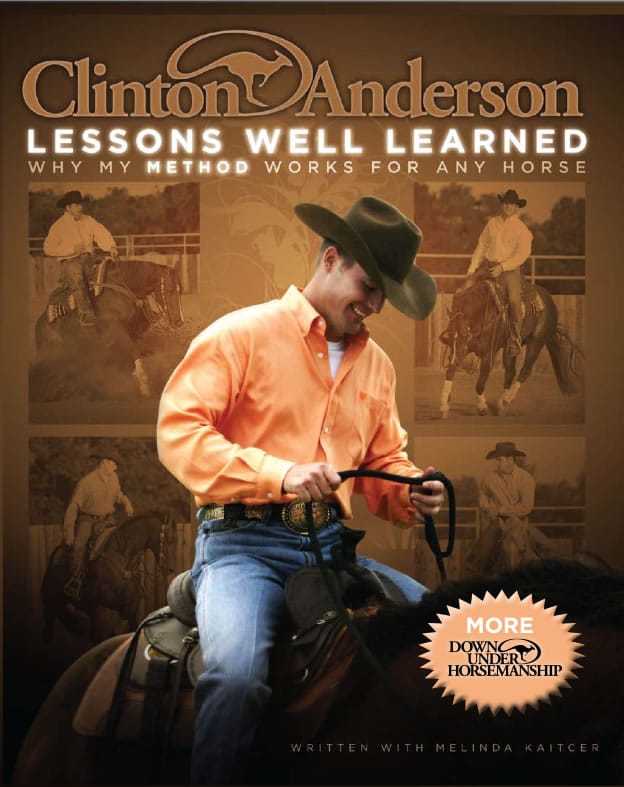
Clinton Anderson, a name synonymous with effective and humane horse training, has carved a significant niche in the equestrian world. His journey from a young Australian rider to a globally recognized horse trainer and educator is a testament to his passion, innovative methods, and dedication to improving the relationship between horses and humans. Anderson’s approach, often termed “down-under horsemanship,” emphasizes clear communication, mutual respect, and understanding the horse’s perspective. This philosophy has not only transformed countless horses but has also empowered thousands of horse owners worldwide through his engaging content and comprehensive training programs.
The Genesis of Down-Under Horsemanship
Born and raised in Australia, Clinton Anderson’s early life was steeped in the equestrian culture. From a young age, he was exposed to various training methods, but it was his innate ability to connect with horses and his curiosity about their behavior that set him apart. He observed that many traditional methods relied on force or intimidation, which often led to fear and resistance in horses. Anderson began to question these approaches, seeking a more harmonious way to build a partnership with equines. This quest led him to develop the principles of what would become known as Down-Under Horsemanship.
His methodology is rooted in the understanding that horses are prey animals with a strong herd instinct. Anderson teaches handlers how to communicate with their horses in a way that mimics natural herd dynamics, using pressure and release techniques that are clear, consistent, and fair. This approach fosters trust and encourages the horse to willingly offer the desired behavior, rather than being coerced into it. The core of his training focuses on establishing a solid foundation of groundwork, which he believes is crucial for any successful equine partnership.
Early Influences and Development
Anderson’s formative years in Australia provided him with a unique perspective on horse handling. Growing up in a country with a rich horse culture, he had the opportunity to learn from experienced horsemen and observe different training styles. However, he was particularly drawn to methods that prioritized the horse’s well-being and mental state. He spent years experimenting and refining his techniques, constantly seeking to improve his understanding of equine psychology. This period of dedicated learning and practical application laid the groundwork for his future success.
His move to the United States marked a pivotal moment in his career. Anderson brought his distinct training philosophy to a new audience, and the effectiveness of his methods quickly gained attention. He began conducting clinics and demonstrations, showcasing how his approach could solve common training problems and deepen the bond between horse and rider. The positive results and the tangible improvements in the horses he worked with generated significant interest, paving the way for the establishment of Down-Under Horsemanship as a leading brand in the equestrian industry.
Core Principles of Clinton Anderson’s Training
At the heart of Clinton Anderson’s training philosophy lies a deep respect for the horse and a commitment to clear, consistent communication. His methods are designed to build confidence in both the horse and the handler, creating a partnership based on trust and understanding.
Groundwork: The Foundation of Excellence
Anderson places immense importance on groundwork. He argues that a horse that is well-trained from the ground up will be a more responsive, confident, and reliable partner under saddle. His groundwork exercises focus on teaching the horse to yield to pressure, move freely and respectfully around the handler, and develop a strong sense of trust. These exercises are not merely about obedience; they are about building a language between horse and human.
Key groundwork principles include:
- Yielding to Pressure: Teaching the horse that yielding to gentle pressure is the way to find comfort and release. This is fundamental for teaching cues for steering, stopping, and collection.
- Respecting Personal Space: Establishing clear boundaries and teaching the horse to move away from the handler’s body and space, which is crucial for safety and control.
- Responsibility: Encouraging the horse to think for itself and respond appropriately to cues, fostering a sense of partnership rather than blind obedience.
- Confidence Building: Gradually introducing new concepts and challenges in a way that builds the horse’s confidence and willingness to try.
Communication Through Pressure and Release
The “pressure and release” technique is a cornerstone of Anderson’s method. It involves applying a gentle, escalating pressure to gain the horse’s attention or elicit a specific response, and then immediately releasing that pressure the moment the horse offers the correct reaction. This immediate reward system is highly effective in teaching horses, as it clearly communicates what is expected.
- Clarity is Key: The pressure must be applied in a way that the horse understands and is not perceived as punishment. It’s about guidance, not coercion.
- Timing is Crucial: The release of pressure must be instantaneous upon the correct response. Delayed rewards can confuse the horse.
- Consistency: Applying the same pressure and release cues consistently helps the horse learn more rapidly and reduces frustration.
Emphasis on the Horse’s Perspective
Anderson consistently advocates for understanding the world from the horse’s point of view. As prey animals, horses are naturally cautious and reactive. Anderson’s training aims to address these natural instincts rather than fighting against them. By understanding why a horse might be hesitant or fearful, handlers can approach the situation with empathy and patience, using techniques that help the horse overcome its anxieties and build trust.
This empathetic approach extends to all aspects of training, from introducing new equipment to performing complex maneuvers. Anderson teaches handlers to observe their horse’s body language closely, recognizing signs of stress, confusion, or confidence. This heightened awareness allows for timely adjustments in the training approach, ensuring that the horse remains engaged and willing.
Expanding Influence: Beyond the Arena
Clinton Anderson’s impact extends far beyond the traditional training arena. Through his media presence, educational resources, and engaging approach, he has made horsemanship accessible to a global audience.
Media and Content Creation
Down-Under Horsemanship produces a wealth of content, including:
- The Clinton Anderson Show: A popular television program that showcases real-life training scenarios, problem-solving, and demonstrations of his techniques. The show provides viewers with practical advice and visual examples of his methods in action.
- Online Resources: A comprehensive website offering articles, videos, training programs, and a membership portal. This digital platform allows horse enthusiasts to learn at their own pace and access a vast library of educational material.
- Books and DVDs: Anderson has authored several books and produced numerous instructional DVDs that delve deeper into specific aspects of horsemanship, providing detailed guides for horse owners.
- Clinics and Events: Regular clinics and demonstrations are held across the country and internationally, offering hands-on learning opportunities for participants to train with Clinton and his team.
These diverse platforms ensure that Anderson’s teachings reach a broad spectrum of the equestrian community, from beginners to experienced professionals.
Building a Community of Trust
One of Clinton Anderson’s most significant achievements is fostering a community of horse owners who are committed to ethical and effective training. His emphasis on partnership and mutual respect encourages a more positive and rewarding relationship between humans and horses. Many horse owners credit Anderson’s methods with transforming their horses’ behavior and enhancing their own confidence and enjoyment of riding.
The Down-Under Horsemanship community is characterized by a shared philosophy of patience, understanding, and continuous learning. Members often share their successes and challenges, supporting each other in their horsemanship journeys. This collaborative spirit underscores Anderson’s vision of creating a more connected and compassionate equestrian world.
A Legacy of Humane Horsemanship
Clinton Anderson’s legacy is built on a foundation of innovation, empathy, and a profound understanding of horses. He has not only demystified horse training but has also inspired a generation of riders to approach their equine partners with greater knowledge, patience, and respect. His commitment to ethical practices and his ability to translate complex training principles into accessible lessons have solidified his position as a leading figure in the equestrian world.
Through Down-Under Horsemanship, Clinton Anderson continues to champion a philosophy that prioritizes the well-being of the horse and the strengthening of the human-animal bond. His work serves as a powerful reminder that the most effective and rewarding horsemanship is built on a partnership grounded in trust, clear communication, and a genuine desire to understand the noble creatures we share our lives with.
