
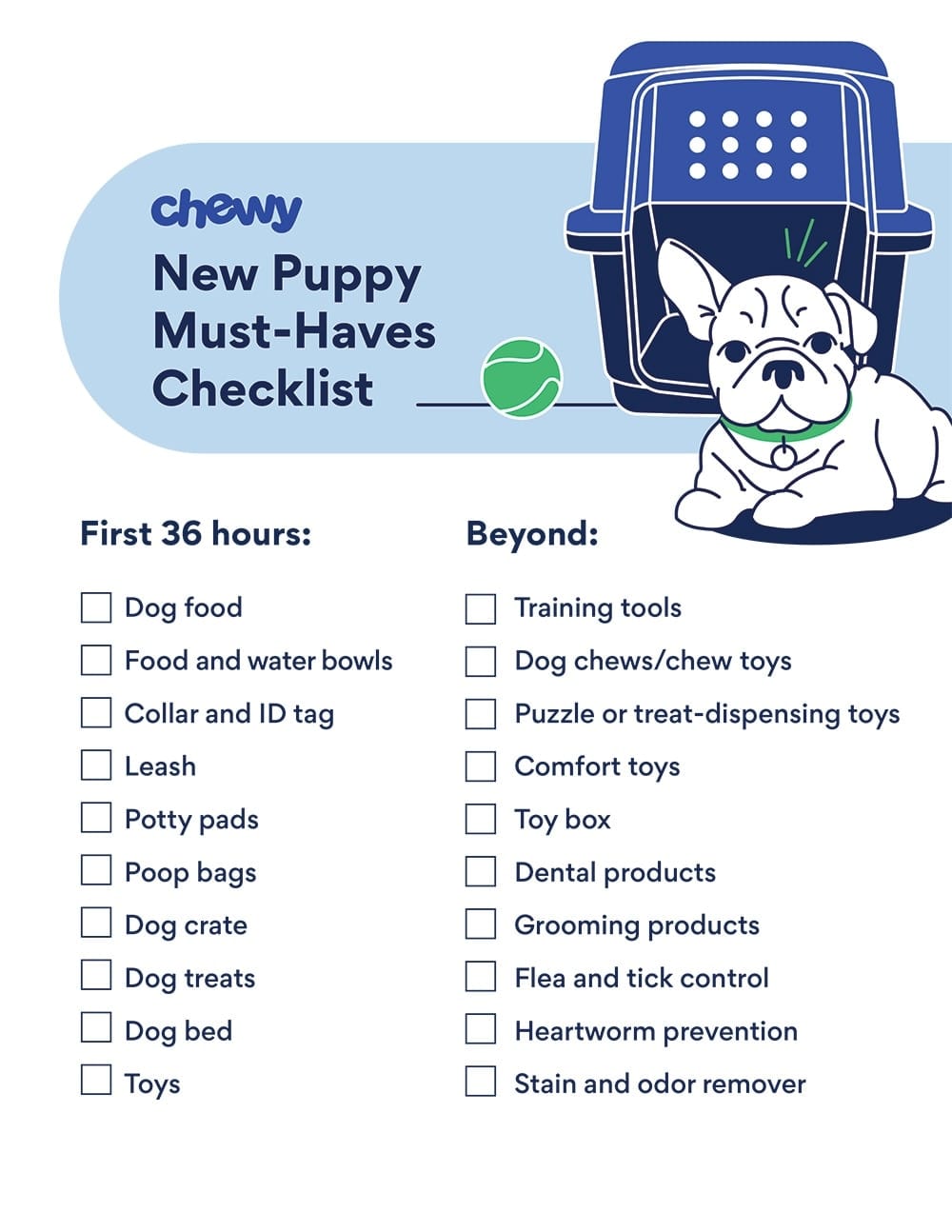
Bringing a new puppy home is an exciting time, filled with joy and a fair amount of adorable mischief. One of the first hurdles many new dog parents face is housetraining. This is where Clever Dog Puppy Training Pads come into play, offering a valuable tool to help guide your furry friend towards success. These pads are designed to attract puppies to eliminate in a designated spot, making the transition from their previous environment to your home a smoother process. Understanding how to use them effectively can significantly reduce accidents and speed up the housetraining timeline, fostering a positive learning experience for both you and your new companion.
Understanding Puppy Housetraining
Housetraining a puppy is a process that requires patience, consistency, and a good understanding of canine behavior. Puppies, much like human babies, have limited bladder and bowel control. They learn by association, and positive reinforcement is key to teaching them where it is appropriate to relieve themselves. This involves establishing a routine, frequently taking your puppy outside or to their designated pad, and rewarding them immediately after they successfully eliminate in the correct spot. Understanding your puppy’s cues – such as sniffing the ground, circling, or whining – can also help you prevent accidents before they happen.
The Role of Training Pads
Puppy training pads, often called potty pads or pee pads, are absorbent mats typically made of a multi-layered material. The top layer is designed to wick away moisture quickly, keeping the surface dry and comfortable for your puppy. Below this are absorbent layers that trap liquid, and a waterproof backing prevents it from seeping through to your floors. Many pads also contain an attractant, a scent that signals to puppies that this is the designated place to go. This feature is particularly helpful in the early stages of housetraining, guiding your puppy’s instincts.
Choosing the Right Training Pads
When selecting training pads, consider the size of your puppy and the space you have available.
- Size: Larger breeds will require larger pads, and even smaller breeds may benefit from larger pads as they grow.
- Absorbency: Look for pads with high absorbency to handle accidents efficiently and minimize odor.
- Attractant: Pads with a built-in attractant can be very useful for puppies who are new to housetraining.
- Odor Control: Some pads are designed with odor-neutralizing technology, which can be a significant advantage, especially in smaller living spaces.
Getting Started with Puppy Training Pads
Implementing training pads effectively involves a systematic approach. Consistency is your greatest ally.
Establishing a Routine
A regular schedule is crucial for housetraining. Take your puppy to their designated pad:
- First thing in the morning.
- Shortly after waking up from naps.
- After playtime.
- After eating or drinking.
- Before bedtime.
Introducing the Pad
Place the training pad in a consistent, easily accessible location, away from your puppy’s food and sleeping areas. When you take your puppy to the pad, use a calm, encouraging tone. If they eliminate on the pad, offer immediate praise and a small, high-value treat. This positive reinforcement is vital.
Handling Accidents
Accidents are inevitable, especially in the beginning. The key is to react calmly and avoid punishment. If you catch your puppy in the act, interrupt them gently with a sound (like a clap) and immediately take them to their training pad. If they finish there, praise them. If you discover an accident after it has happened, simply clean it up thoroughly with an enzymatic cleaner to eliminate odors that might attract them back to the same spot. Never rub your puppy’s nose in it or scold them, as this can create fear and hinder the training process.
Advanced Training Techniques and Tips
Once your puppy starts reliably using the pads, you can gradually transition them to eliminating outdoors.
Gradual Transition to Outdoors
Begin by moving the training pad closer to the door you’ll use for outdoor potty breaks. Once they are consistently using the pad near the door, move the pad just outside the door. Eventually, you can remove the pad altogether, encouraging them to go on the grass or designated outdoor spot. Continue to offer praise and rewards for successful outdoor eliminations.
Addressing Specific Challenges
- Pee Pad Destruction: Some puppies may chew or tear at the pads. Ensure the pads are placed on a surface they cannot easily shred, or consider using a pad holder. If chewing persists, redirect their attention to appropriate chew toys.
- Scent Confusion: If your puppy is having accidents on the floor, it might be because the scent on the pad isn’t strong enough or they are confused. Ensure you are cleaning accidents thoroughly and consider using a pad with a stronger attractant.
- Refusal to Use Pad: Some puppies may be hesitant. Be patient, continue with a consistent routine, and ensure the pad is placed in a quiet, low-traffic area where they feel safe.
“Patience and consistency are the cornerstones of successful puppy housetraining. Celebrate every small victory, and remember that every dog learns at their own pace. The goal is to build a positive association with potty training, not to create anxiety.” – Dr. Emily Carter, Veterinary Behaviorist.
Beyond the Pad: Creating a Positive Potty Training Experience
Clever dog puppy training pads are a tool, not a magic solution. They are most effective when integrated into a comprehensive housetraining strategy that prioritizes positive reinforcement and understanding your puppy’s needs.
Positive Reinforcement Strategies
- Timing is Everything: Reward your puppy immediately after they finish eliminating on the pad or outdoors. This helps them connect the reward with the action.
- High-Value Rewards: Use treats that your puppy absolutely loves – small pieces of cooked chicken, cheese, or special training treats.
- Verbal Praise: A happy, enthusiastic “Good boy/girl!” reinforces the behavior.
- Celebrate Success: Make a big deal out of successful potty breaks. This positive attention is a powerful motivator.
Understanding Puppy Cues
Learning to read your puppy’s body language is essential. Watch for signs like:
- Restlessness or pacing.
- Sniffing the ground intently.
- Circling.
- Whining or whimpering.
- Sudden cessation of play.
If you notice these signs, it’s time to quickly escort your puppy to their training pad or outdoor spot.
Frequently Asked Questions About Puppy Training Pads
Q1: How long should I use puppy training pads?
A1: This varies by puppy. Some may transition to outdoor pottying within a few weeks, while others may take a couple of months. The key is to gradually decrease reliance on the pad as your puppy becomes more reliable with their cues and outdoor training.
Q2: Can I use training pads if I have a small apartment?
A2: Yes, training pads are an excellent solution for apartment dwellers or those with limited outdoor access. They provide a designated indoor spot for your puppy to relieve themselves.
Q3: How do I clean up accidents effectively?
A3: Always use an enzymatic cleaner specifically designed for pet odors. These cleaners break down the organic matter causing the smell, preventing your puppy from being drawn back to the same spot. Avoid ammonia-based cleaners, as they can smell like urine to a puppy.
Q4: My puppy eats the training pads. What should I do?
A4: This is a common issue. Ensure the pad is placed on a hard surface and supervise your puppy closely. If the behavior persists, consider a pad holder or explore alternative housetraining methods if pad destruction is severe.
Q5: How do I stop my puppy from having accidents on the furniture?
A5: Consistency in routine, supervision, and immediate cleanup of any accidents are crucial. Limit your puppy’s access to areas where accidents are frequent until they are more reliably housetrained. Crate training can also be very effective, as dogs are naturally reluctant to soil their sleeping area.
The Journey to a Well-Trained Dog
Housetraining is a fundamental part of your puppy’s development and your bond with them. Clever dog puppy training pads offer a supportive system to navigate this process. By combining the use of these pads with a consistent routine, positive reinforcement, and an understanding of your puppy’s cues, you can effectively guide your new family member towards becoming a well-behaved companion. Remember to celebrate every success, remain patient through the challenges, and enjoy the journey of watching your puppy grow and learn. This phase, while sometimes demanding, is a foundational step in building a trusting and loving relationship with your clever dog.
