
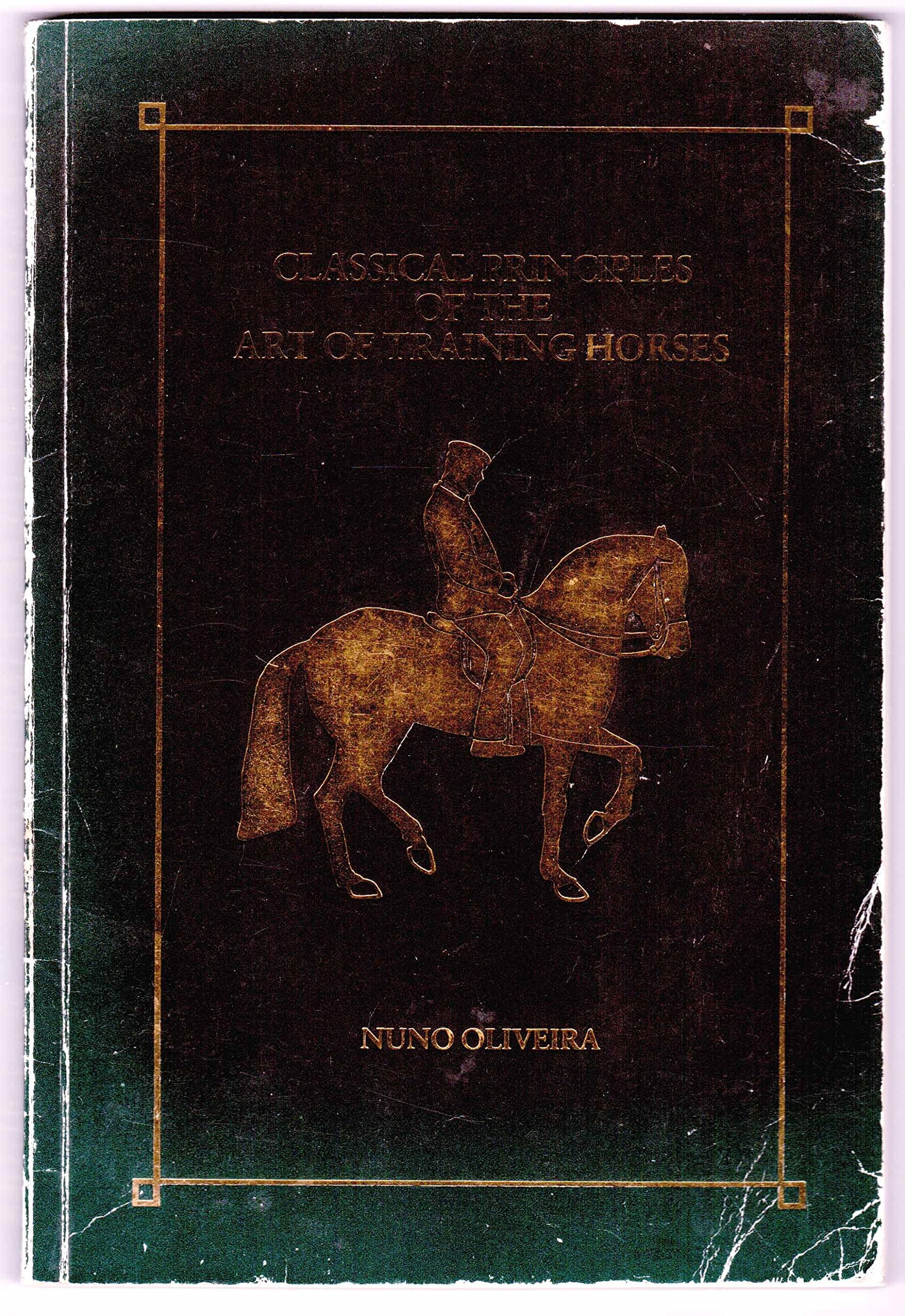
The journey into the world of horsemanship often leads to a profound appreciation for its history and the timeless wisdom it holds. The Classical Principles Of The Art Of Training Horses are not merely a set of techniques but a complete philosophy, a harmonious dialogue between horse and rider built on centuries of understanding equine biomechanics, psychology, and spirit. It’s an approach that prioritizes the horse’s physical and mental well-being, developing them into a calm, supple, and powerful partner without force or coercion. This tradition, passed down from masters like Xenophon, views training as a systematic gymnastic program, ensuring the horse’s longevity and willingness to perform.
Understanding this approach is crucial for any equestrian. While modern techniques have their place, the foundational concepts of classical training offer a roadmap to true partnership. It is this depth of understanding and ethical approach that forms the core of our work at Equine Excellence. This journey is similar to exploring the broader art of horse training, where every detail matters.
The Historical Roots of Classical Horsemanship
The principles we follow today were not invented overnight. They are the culmination of knowledge refined over more than two millennia, originating with military cavalry and evolving in the royal courts of Europe.
The Ancient Masters: Xenophon
The earliest comprehensive work on horsemanship comes from the Greek general Xenophon around 400 B.C. In his treatise, “On Horsemanship,” he advocated for gentle methods, emphasizing that a horse should never be forced.
“For what the horse does under compulsion, as Simon also observes, is done without understanding; and there is no beauty in it either, any more than if one should whip and spur a dancer.” – Xenophon
He understood that true partnership is built on trust and clear communication, not fear. His teachings laid the groundwork for an ethical approach that considers the horse’s nature, a revolutionary idea for his time and a cornerstone of classical training today.
The Renaissance and François de la Guérinière
The art form truly blossomed during the Renaissance and Baroque periods. The French riding master François Robichon de la Guérinière (1688–1751) is often hailed as the father of modern dressage. His book, “École de Cavalerie” (The School of Horsemanship), published in 1733, systematically laid out the gymnastic exercises and principles that form the basis of the German Training Scale used by dressage riders worldwide. He introduced foundational exercises like the shoulder-in, which he called the “alpha and omega” of all exercises, to improve the horse’s balance, suppleness, and engagement.
The German Training Scale: A Pyramid of Principles
The most widely recognized modern interpretation of the classical principles of the art of training horses is the German Training Scale, often depicted as a pyramid. Each level builds upon the one before it, creating a logical, systematic progression for developing the horse. You cannot achieve true collection without first establishing rhythm and relaxation.
1. Rhythm and Regularity (Takt)
Rhythm is the foundation of everything. It refers to the regularity of the footfalls in each gait (walk, trot, canter). The tempo, or speed of the rhythm, should remain consistent, without the horse rushing or lagging. A steady, pure rhythm is the first sign of a balanced and relaxed horse.
2. Relaxation and Suppleness (Losgelassenheit)
Relaxation is both mental and physical. A mentally relaxed horse is calm, confident, and attentive to the rider. Physically, this translates to an elastic, swinging back and a lack of tension throughout the body. The horse’s muscles are supple and free from resistance, allowing energy to flow freely from the hindquarters over the back and into the contact. Achieving this state is essential before asking for more advanced work and is a philosophy shared by many top equestrians, such as the renowned lisa lewis horse trainer.
3. Contact and Connection (Anlehnung)
Connection refers to the steady, light, and elastic contact between the rider’s hands and the horse’s mouth via the reins. It is not about pulling or forcing the horse into a frame. Rather, it is the result of the horse’s energy, generated from the hind legs, traveling over a relaxed back and being received gently by the rider’s hands. The horse seeks this connection, stretching into the bit with confidence.
4. Impulsion (Schwung)
Often mistaken for speed, impulsion is the controlled, forward-thrusting energy generated by the horse’s hindquarters. It is contained, not wild, and channeled through a supple, swinging back. A horse with good impulsion feels powerful and springy, with gaits that have suspension and expression.
5. Straightness (Geraderichtung)
No horse is naturally symmetrical; they are either “left-handed” or “right-handed” just like humans. Straightness in classical training is the work of aligning the horse’s hind feet to step in the tracks of their front feet. A straight horse can push evenly with both hind legs, allowing for better balance and the ability to take equal contact in both reins. This gymnastic development is crucial for maintaining soundness. Some training facilities, like blackwater horse training, focus heavily on these biomechanical fundamentals.
6. Collection (Versammlung)
Collection is the pinnacle of the training pyramid. It occurs when the horse shifts more weight onto its hindquarters, lowering the croup and raising the forehand, creating a feeling of “uphill” balance. This increased engagement of the hind legs allows the horse to perform advanced movements with lightness and grace. Collection is the ultimate expression of power, balance, and harmony, achieved through systematic, patient development, not through force.
Classical vs. Modern “Rollkur” Methods
It’s important to distinguish true classical training from certain modern competitive shortcuts that can be detrimental to the horse. The controversial practice of “Rollkur” or hyperflexion, where the horse’s head is forced into an extreme position with its chin against its chest, is the antithesis of the classical approach. While classical principles build the horse up gymnastically to carry itself in self-carriage, hyperflexion breaks the horse’s spirit and body down, creating tension, restricting breathing, and causing physical harm. Investigating any trainer’s methods is crucial, and it’s wise to look into reports like the precision horse training complaints to understand the importance of choosing an ethical approach.
The classical master Nuno Oliveira famously said, “Art is to hide the art.” In classical riding, the aids should be nearly invisible. The goal is a horse that appears to be performing on its own, moving with grace and lightness in perfect harmony with its rider.
How Can You Apply Classical Principles?
Integrating these principles into your daily riding doesn’t require a Grand Prix prospect. It’s a mindset that benefits every horse, regardless of breed or discipline.
- Prioritize the Basics: Spend ample time in the walk, ensuring a pure four-beat rhythm and a relaxed, swinging back before you even think about the trot.
- Focus on Suppleness: Incorporate bending lines, circles, and lateral exercises like leg-yield and shoulder-fore to improve your horse’s flexibility and straightness.
- Ride from Back to Front: Always think of creating energy from the hind legs and receiving it with a soft, allowing hand. Your legs create the energy; your hands shape it.
- Be Patient: True development takes years, not months. Celebrate small improvements and never sacrifice the horse’s well-being for a short-term goal.
For those looking to deepen their understanding, there are many resources available. You can even find excellent horse training books free online that delve into these classical foundations. The classical principles of the art of training horses offer a proven, ethical, and sustainable path to developing a true equine partner. It is a journey of a thousand small steps that leads to the ultimate dance of harmony and trust.
Frequently Asked Questions (FAQ)
What is the main goal of classical horse training?
The primary goal is the systematic, gymnastic development of the horse to be calm, supple, and strong, allowing it to perform with lightness and elegance without physical or mental stress. It prioritizes the horse’s long-term health and willingness, fostering a harmonious partnership.
Who was the founder of classical dressage?
While Xenophon laid the earliest philosophical groundwork around 400 B.C., the French master François Robichon de la Guérinière is often considered the “father of classical dressage” for his work in the 18th century, which systemized the training and exercises still used today.
Is classical training suitable for all horse breeds?
Yes, absolutely. The classical principles are based on the universal biomechanics and psychology of the horse. The goal is to improve any horse’s natural balance, strength, and movement, making it a healthier and more rideable partner, regardless of its breed or discipline.
How is classical training different from natural horsemanship?
While both prioritize understanding the horse, classical training is a structured, gymnastic system focused on developing the riding horse’s physical abilities under saddle. Natural horsemanship primarily focuses on equine psychology and communication, often through groundwork, to build trust and solve behavioral issues. The two philosophies are highly compatible.
What is the most important element of the training scale?
Rhythm is the foundational element upon which all others are built. Without a correct, steady rhythm and tempo in each gait, it is impossible to achieve true relaxation, connection, impulsion, straightness, and ultimately, collection.
