
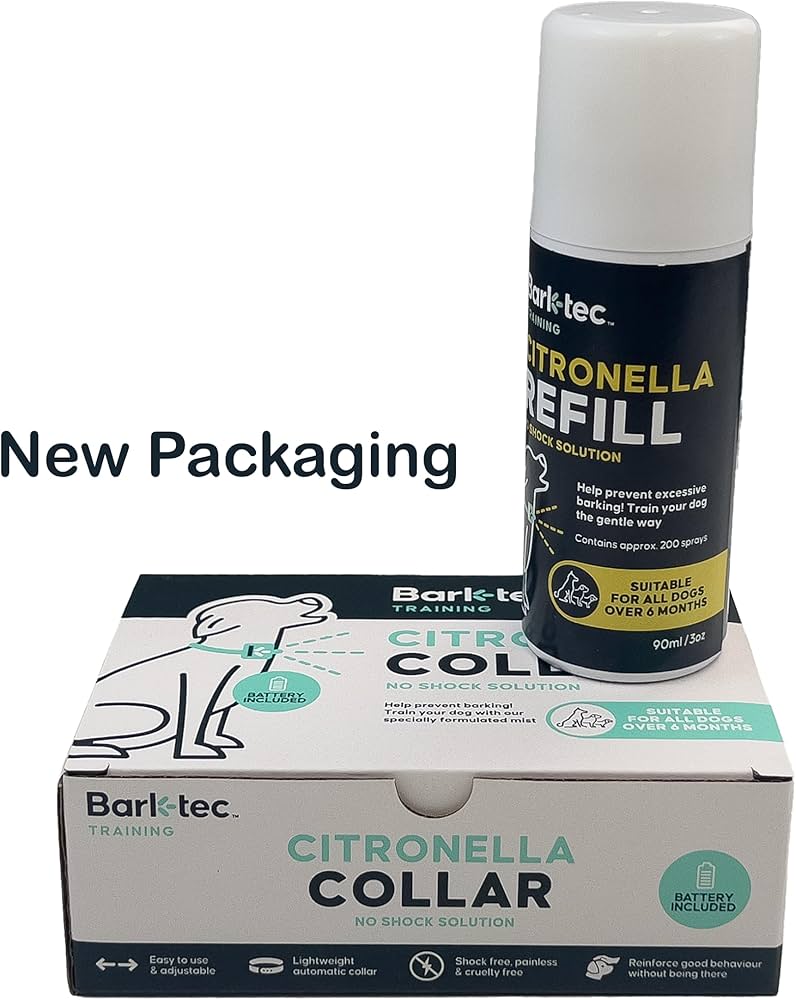
Nuisance barking is a common and frustrating behavior problem for many dog owners. While traditional methods like electric shock collars have been used, research suggests that a gentler, more humane approach may be equally, if not more, effective. A study conducted by the Animal Behavior Clinic at Cornell’s College of Veterinary Medicine found that citronella spray collars were preferred by dog owners over electric shock collars for managing excessive barking.
This finding, reported in the Journal of the American Animal Hospital Association, indicates that the citronella spray, a fragrance-based deterrent, offers a viable alternative to more aversive methods. Dr. Soraya V. Juarbe-Díaz, who led the study, noted that owners who participated in the trial felt the citronella spray was both more effective and more humane for their pets.
Understanding Nuisance Barking
Nuisance barking, characterized by dogs barking without a clear or justifiable reason, can stem from various factors. These include territorial instincts, learned attention-seeking behavior, or simply reacting to the barks of other dogs. According to Dr. Katherine A. Houpt, director of the Animal Behavior Clinic, nuisance barking accounts for a significant percentage of behavior-related complaints from dog owners, ranging from 13 to 35 percent.
While behavior modification techniques can be effective, they require consistent and appropriate owner intervention, which may not always be feasible. Some owners may lack the time, knowledge, or consistency to implement these methods effectively, especially if the barking occurs when they are not present to administer corrections. In such cases, anti-barking collars can serve as a supplementary tool or an alternative.
The Cornell Study: Citronella vs. Shock Collars
The Cornell study recruited volunteer dog owners from the Ithaca area to test both electric shock and citronella spray collars on nine dogs exhibiting nuisance barking. Each collar type was used for a two-week trial period. The electric collars function by delivering a shock when a vibration sensor detects barking, while Citronella Collars release a spray of plant-based fragrance when a microphone senses the same behavior.
Citronella collars were first introduced in the U.S. in 1995, though they had been available in Europe for years, where shock collars are prohibited for pets. The dogs involved in the study represented a variety of breeds, including a Shetland sheepdog, beagle, bull mastiff, shepherd mixes, cocker spaniel, West Highland white terrier, Labrador retriever, and Doberman pinscher.
Results and Owner Preferences
For the eight dogs that completed the trial with both collar types, owners overwhelmingly found the citronella collar effective in reducing or stopping nuisance barking. Most owners expressed a preference for the fragrance spray over the electric shock. Notably, four out of the eight owners reported that electric shocks had no discernible effect on their dogs’ barking. One owner of a Doberman pinscher, however, found both methods effective but preferred the electric shock collar.
The researchers theorized that the novel scent from the citronella spray might be more impactful for a dog’s sensitive sense of smell than a painful stimulus. They also suggested that once dogs associate barking with a fragrance spray, a placebo “dummy” collar might achieve similar results.
Considerations and Limitations
Despite its effectiveness, the citronella collar is not without its potential drawbacks. Dr. Juarbe-Díaz cautioned that improper adjustment of the microphone’s sensitivity could lead to the collar activating due to other dogs’ barking, resulting in unfair punishment. Clear communication between the dog and owner is crucial; punishment should be directly linked to the misbehavior. Additionally, one owner reported that citronella oil stained upholstery when their dog barked, although no complaints were received regarding the scent itself. In fact, one owner found the citronella scent preferable to their dog’s natural body odor.
For dog owners seeking effective and humane solutions for nuisance barking, the citronella collar presents a promising option. As with any training aid, proper adjustment and understanding of the dog’s behavior are key to successful implementation. Consulting with a veterinarian or a professional dog trainer can provide further guidance on the best approach for your specific pet’s needs.
