

Chronic liver disease dogs is a gradual and often insidious process that can significantly impact a dog’s health and well-being. Much like the slow decay of an aging tree, where the roots might appear robust but are slowly withering beneath the surface, chronic liver disease represents a decline in the liver’s functional capacity.
This vital organ, responsible for a multitude of bodily functions including detoxification, digestion, and metabolism, gradually becomes compromised, leading to a wide range of symptoms. The initial stages might present with subtle signs, often mistaken for normal aging or behavioral shifts, making early detection a critical challenge.
These complications can arise from a variety of underlying issues, such as congenital defects, exposure to toxins, infections, or pre-existing health conditions like diabetes or cancer. As the disease progresses, it can lead to severe liver failure, impacting the dog’s quality of life and requiring a multifaceted approach to management.
Understanding the nuances of this condition, including its causes, symptoms, stages, and management options, is crucial for pet owners to provide their canine companions with the best possible care and support. This comprehensive guide aims to shed light on various aspects of chronic liver disease in dogs, empowering pet owners to be proactive and well-informed throughout their dog’s health journey.
Symptoms and Early Detection: Recognizing the Subtle Clues

Chronic liver disease often presents with a constellation of symptoms that can be easily overlooked, especially in its early stages. The subtlety of these initial signs often leads to delayed diagnosis and intervention. Recognizing the importance of early detection is paramount in preventing irreversible liver damage.
Initial Subtle Signs: The Masked Symptoms

The initial stages of chronic liver disease can be deceptively mild, with symptoms easily dismissed as age-related changes or minor behavioral quirks. Dogs might exhibit a gradual decline in energy levels, becoming less playful or active than usual. Their once enthusiastic appetite might wane, and they may show indifference toward their favorite treats or meals. This seemingly insignificant shift in behavior can often be the first indicator of underlying liver issues.
It’s crucial to remember that many conditions can manifest with symptoms similar to those observed in the early stages of chronic liver disease. This fact often leads to misdiagnosis and delayed intervention, emphasizing the need for a holistic approach during veterinary examinations that considers the comprehensive health history of the dog.
The ability to accurately assess behavioral changes in a familiar pet and noticing deviations from their usual demeanor can be a powerful tool for early detection. Observing subtle shifts in energy levels, playfulness, and appetite can spark concern and lead to a timely veterinary consultation, paving the way for earlier diagnosis and management of liver disease.
Advanced Symptoms: The Red Flags
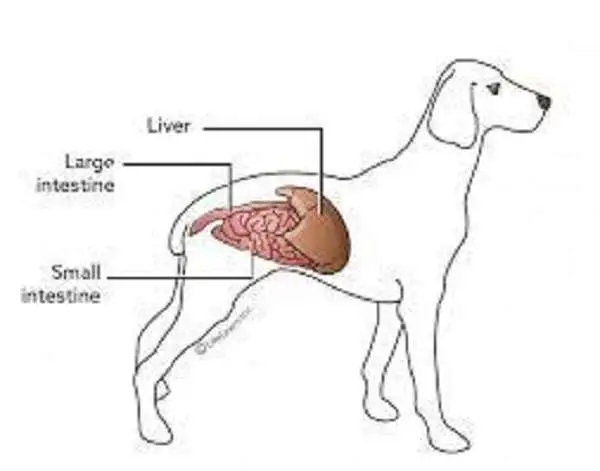
As chronic liver disease progresses, the symptoms become more pronounced and alarming. Increased thirst and urination can indicate the liver’s compromised ability to regulate fluid balance in the body. Episodes of vomiting and diarrhea can disrupt the digestive process, leading to weight loss and dehydration. These symptoms, often attributed to simple dietary intolerances or gastrointestinal issues, can be early signs of a more serious underlying liver disease.
Veterinary intervention becomes crucial at this juncture. The interplay of factors such as vomiting, diarrhea, and increased thirst and urination can create a complex web of symptoms that can be challenging to decipher. A detailed medical history, along with blood tests and imaging of the liver, are essential to understand the true nature of the symptoms and accurately diagnose the condition.
The Role of Behavior Changes:

Changes in a dog’s behavior can be one of the most insightful indicators of liver problems. Dogs, just like humans, rely on various organs to regulate their moods and actions. The liver plays a significant role in maintaining a healthy biochemical environment within the system, crucial for consistent mood and energy levels.
As the liver’s ability to perform its function declines, the dog’s behavior may also change. A normally docile dog may become irritable, whereas a playful dog might lose interest in activities they once enjoyed. Such shifts can provide early clues about the underlying health dynamics in the dog’s body.
Understanding canine behavioral patterns and deviations from these norms is an essential skill for pet owners, especially when it comes to assessing the health of a beloved pet. Coupled with a careful observation of physiological signs like appetite and urination, behavioral changes can offer invaluable insight into potential liver involvement, enabling prompt veterinary intervention.
Causes and Risk Factors: Understanding the Roots of Liver Disease
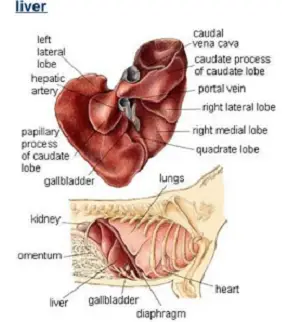
Chronic liver disease has a diverse array of potential causes, ranging from genetic predispositions to environmental exposures. Understanding these factors can help pet owners take proactive measures to minimize the risk of their dogs developing the condition.
Genetic Predispositions: The Role of Breed

Certain dog breeds have a higher predisposition to developing chronic liver disease due to inherent genetic factors. Doberman Pinschers, Labrador Retrievers, and certain terrier breeds are more susceptible to specific liver conditions. Genetic defects can result in impaired liver function or make the organ more vulnerable to environmental triggers that might not affect dogs with a healthier genetic makeup.
This predisposition is akin to certain human populations being more vulnerable to specific health issues due to their genetic heritage. Genetics can influence the structure and efficiency of metabolic processes within the liver, impacting its ability to cope with a variety of stresses.
Environmental Exposures: The Impact of Toxins

Exposure to various toxins can trigger liver damage, contributing to chronic liver disease. Plants commonly found in gardens, such as foxglove, oleander, and lily of the valley, can cause severe liver toxicity in dogs if ingested.
Similarly, exposure to medications — both prescription and over-the-counter — can also have detrimental effects on the liver. Some commonly used medications can cause liver damage if administered without appropriate oversight and monitoring, particularly in cases of pre-existing liver conditions or in certain dog breeds.
Infections and Underlying Health Conditions:

Various infectious agents, such as leptospirosis and various fungal infections, can cause inflammation and damage to the liver, contributing to chronic liver disease. It’s also important to consider the presence of underlying health conditions that can indirectly contribute to liver problems. Diabetes, Cushing’s disease, and cancer can significantly affect liver health.
Conditions like diabetes can lead to increased glucose levels, creating a stressful environment for the liver, which plays a central role in sugar metabolism. Similarly, Cushing’s disease, characterized by excessive cortisol production, can lead to liver enzyme changes and potentially contribute to liver damage. Cancer can lead to the development of tumors in the liver or put pressure on the organ as it spreads, harming its functionality.
Stages of Liver Disease: Tracking the Progression

Chronic liver disease progresses gradually, progressing through a series of stages from mild dysfunction to severe impairment. This progression can be likened to observing the water level in a river during a drought: at first, the decline may seem insignificant, but as the days stretch into weeks and the water continues to recede, the severity of the situation becomes apparent.
Early Stages: Compensated Liver Disease
In the early stages, the liver’s ability to function may be somewhat compromised, but it can still compensate for the diminished function. Dogs may exhibit subtle symptoms, and liver function tests may show signs of mild abnormalities. At this stage, proactive intervention can play a critical role in preventing progression to more severe stages.
It’s important to highlight the significance of early intervention in the course of liver diseases. As long as the liver retains functional reserve, it can often handle minor damage. However, allowing these early stages to remain unchecked can contribute to the gradual loss of liver functionality over time.
Intermediate Stages: Decompensated Liver Disease
As liver function deteriorates, dogs often begin to exhibit more pronounced symptoms. These symptoms include lethargy, loss of appetite, and weight loss. The liver’s ability to compensate for the damage starts to decline, and blood tests reveal more significant abnormalities in liver function.
This stage marks a crucial turning point in the disease trajectory. The liver’s capacity to perform its regular functions declines significantly. This leads to a buildup of various toxins in the body, which can further affect the liver and exacerbate the symptoms.
Advanced Stages: Liver Failure
In advanced stages of chronic liver disease, the liver’s ability to function is severely compromised, resulting in a condition known as liver failure. At this stage, the liver can no longer perform its vital tasks efficiently, leading to a buildup of toxins in the bloodstream. Symptoms such as jaundice, ascites (fluid buildup in the abdomen), and encephalopathy (brain dysfunction) may become apparent.
Liver failure signifies a severe stage of the disease process. The decline in liver function is profound, resulting in a cascade of negative health issues. These include the inability to adequately remove toxins from the body, which can lead to a variety of life-threatening complications. This stage often requires specialized and intensive care to alleviate symptoms and attempt to stabilize the dog’s condition.
Management and Treatment Options: A Holistic Approach
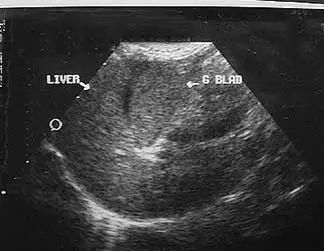
Management of chronic liver disease necessitates a holistic and multi-faceted approach involving various interventions and lifestyle modifications. These interventions rely heavily on understanding the cause of the liver disease, the specific symptoms and the dog’s overall health.
Dietary Adjustments: Supporting Optimal Liver Function
Dietary adjustments are often the cornerstone of managing chronic liver disease. In many cases, dogs with chronic liver disease benefit from reduced protein diets that contain high-quality ingredients. This approach helps reduce the burden on the liver, which plays a crucial role in protein metabolism.
High-quality diets containing reduced protein amounts are essential for supporting the liver during the disease process. The liver is significantly involved in the breakdown of proteins into smaller components that the body can absorb and utilize. Reducing the workload on the liver by supplying smaller amounts of high-quality protein can reduce the stress on this organ and help it to recover and function better.
Medication Management: Targeting Underlying Causes and Symptoms
Depending on the underlying cause of chronic liver disease, medications can play a vital role in treating symptoms and slowing down disease progression. Liver support supplements and drugs designed to manage specific symptoms associated with liver failure, such as vomiting or neurologic signs, can improve the animal’s overall health and quality of life.
Medication needs are highly individualized and vary based on underlying conditions or factors contributing to the development of liver disease in the dog. Veterinarians carefully consider factors such as breed, age, the severity of the disease, and the dog’s overall health when making decisions about specific medications.
Lifestyle Modifications: Enhancing Quality of Life
In conjunction with dietary and medication management, lifestyle modifications can play an integral role in supporting dogs with chronic liver disease. Maintaining a healthy body weight through managed exercise and a regulated diet is crucial, as obesity can exacerbate liver disease.
Providing a stress-free and comfortable environment also contributes to the dog’s overall well-being. This involves avoiding exposure to toxins and ensuring that the dog receives adequate rest and hydration. Monitoring their behavior and noticing any changes can be especially important during stressful situations which can sometimes exacerbate symptoms.
Conclusion

Chronic liver disease in dogs is a complex and multifaceted condition with a range of causative factors, symptoms, and treatment options. Early recognition of symptoms and prompt veterinary intervention are key to minimizing disease progression and improving the dog’s quality of life. Understanding the stages of liver disease, genetic predispositions to the condition, various factors that contribute to the liver damage and available treatment options equips pet owners to work collaboratively with their veterinarians in providing comprehensive and supportive care. By adhering to dietary adjustments, administering appropriate medications, and implementing lifestyle modifications, pet owners can play a critical role in managing this challenging condition and ensuring their canine companions experience a fulfilling life despite the presence of liver disease. Ongoing communication with veterinarians, vigilance in recognizing signs and adhering to veterinary recommendations are vital to managing chronic liver disease effectively. The ultimate goal is not simply to extend a dog’s life, but to preserve the quality of life, allowing them to thrive and enjoy their time with their beloved human companions.
