
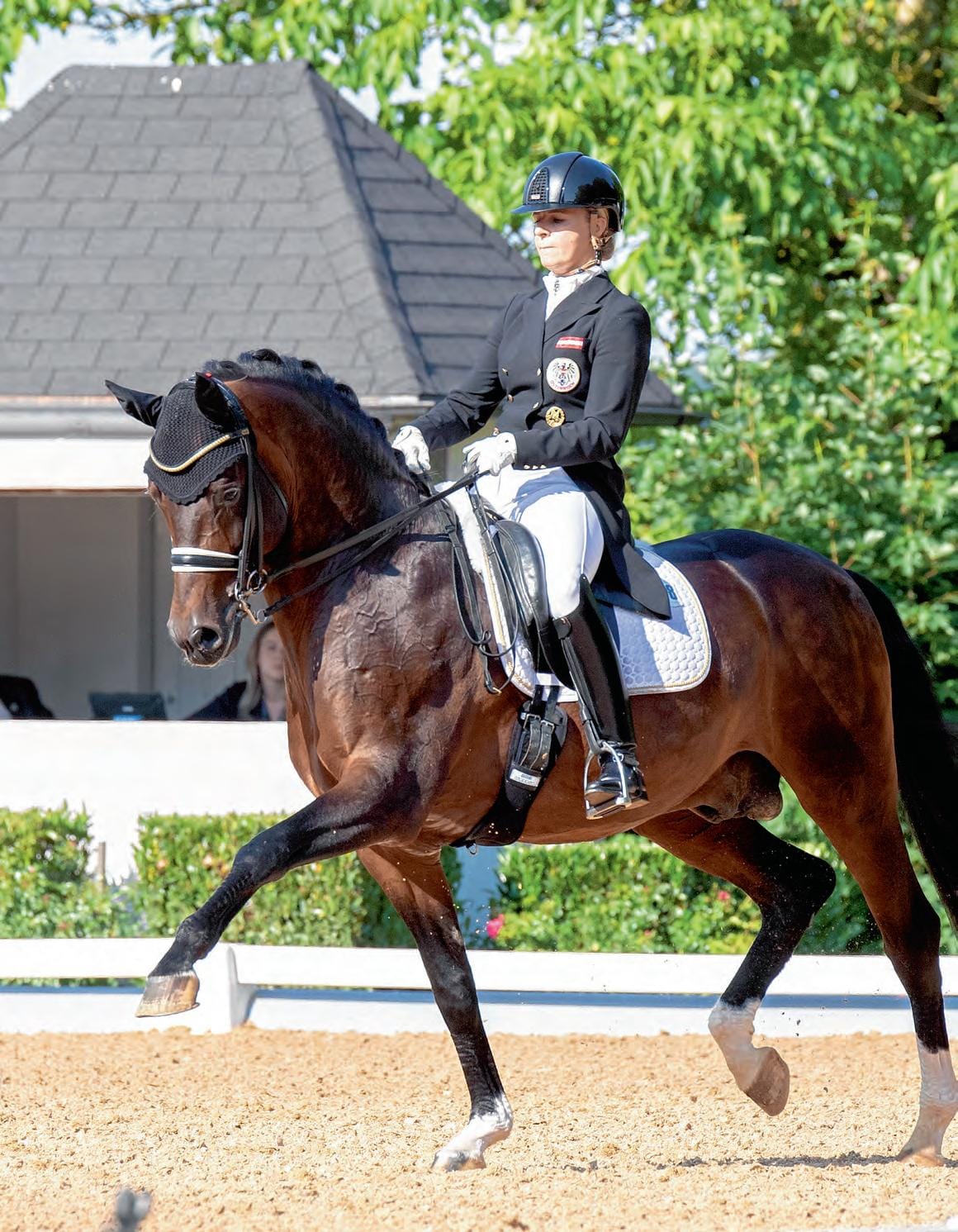
In the world of equestrian sports, we celebrate the harmony between horse and rider, a partnership built on trust, respect, and years of dedicated training. We look up to trainers who seem to possess an almost magical ability to communicate with these powerful animals. But beneath the polished surface of competition, a darker side can exist. It is a world where ambition can overshadow compassion, and the pursuit of victory can lead to unthinkable cruelty. To truly champion the welfare of our equine partners, we cannot turn away from these difficult stories. We must examine them, learn from them, and ensure they are never repeated. This is the cautionary tale of Christine Wels, a name that serves as a stark reminder of our ultimate responsibility. The story of the Christine Wels horse trainer is not one of glory, but a critical lesson in ethical horsemanship.
The Two Sides of a Career
On paper, Christine Wels was a successful German dressage rider. She reached the upper echelons of the sport, competing in several World Cup Dressage Finals throughout the 1990s and early 2000s. To the outside world, she was an accomplished equestrian, a figure who had achieved a level of success many riders only dream of. Accomplishments, however, do not always tell the whole story. The true measure of a horseperson is not found in the color of their ribbons, but in the trust their horse places in them. It was behind the closed doors of the training arena that a horrifyingly different picture emerged.
In 2008, the equestrian community was forced to confront a brutal reality. Christine Wels was convicted of animal cruelty. The evidence was undeniable and sickening, captured on security footage that revealed a pattern of systemic abuse. Her methods were not training; they were torture.
A System of Abuse Exposed
The case against Christine Wels was built on shocking video evidence. In one 32-and-a-half-minute session, she was recorded whipping a horse a staggering 470 times. This was not a rare outburst of frustration but a calculated and routine method. Reports from investigators who visited her property painted an even grimmer picture, describing multiple horses with bloody legs and pasterns, their skin rubbed raw from the relentless abuse.
This wasn’t about correction or discipline. It was about breaking an animal’s spirit through overwhelming force and fear. Such methods are the antithesis of everything Equine Excellence stands for. True training coaxes partnership; it does not demand submission through pain. When a relationship with a horse is rooted in fear, the very essence of horsemanship is lost.
“The moment you pick up a whip in anger, you have already lost. The horse learns nothing of the lesson you intended, and everything about the danger you represent,” states Dr. Alistair Finch, a respected equine ethologist. “This creates a cycle of fear and reactivity that is not only damaging to the horse’s psyche but is also incredibly dangerous for the human.”
A Failure of Accountability
Perhaps one of the most disturbing aspects of the Christine Wels story is what happened after her conviction. She was sentenced to probation and barred from handling animals in Germany. However, this did not stop her. She simply moved to Denmark and continued her training business.
This raises critical questions about accountability within the broader equestrian world. How can a trainer with a public conviction for such horrific cruelty be allowed to simply relocate and continue their work? It highlights a systemic failure to protect the most vulnerable members of our sport: the horses. Major equestrian organizations and governing bodies have a moral obligation to uphold welfare standards, and her ability to continue operating represents a significant lapse in that duty. The community itself—riders, owners, and officials—must be vigilant and vocal in rejecting and reporting such abusive practices.
A Tragic and Sobering End
In July 2015, Christine Wels’s story came to a sudden and tragic end. While working a horse from the ground, the animal reportedly kicked out, striking her in the head. The injuries were fatal. While some on social media and forums reacted to the news with a sense of grim justice, a more profound lesson lies beneath the surface. Her death was not a moment for celebration, but a final, sobering testament to the consequences of a relationship built on fear.
A horse that kicks out with such force is often acting out of a deep-seated defensive instinct. It is the last resort of an animal that feels threatened, cornered, and unheard. It is the predictable outcome of a training philosophy that ignores the horse’s voice and replaces communication with domination. The incident was the tragic culmination of a partnership that had been broken beyond repair.
The Pillars of Ethical Horsemanship
The dark chapter of the Christine Wels horse trainer story must propel us toward a brighter future. It forces us to define what ethical horsemanship truly is and to commit ourselves to its principles. It is about creating a partnership where the horse is a willing participant, not a terrified subject.
Key Principles of Ethical Training:
- Understanding Equine Psychology: Ethical training begins with empathy. It requires learning to read a horse’s body language—the flick of an ear, the swish of a tail, the tension in the jaw. These are the words the horse uses to communicate, and we must learn to listen.
- Emphasis on Positive Reinforcement: While correction has its place, the focus should be on rewarding the desired behavior. A timely release of pressure, a kind word, or a gentle scratch are powerful tools for telling a horse they have done the right thing. This builds confidence, not fear.
- Fairness and Consistency: Horses are creatures of habit and thrive on clear, consistent communication. Rules and aids should be applied consistently, and corrections should be proportionate and immediate, never born of anger or frustration.
- Patience is Paramount: There are no shortcuts in good horsemanship. Building a strong foundation of trust and understanding takes time. Rushing the process or using force to achieve a goal quickly will only create holes in the training that will inevitably surface later.
- The Horse’s Welfare Comes First: A horse’s physical and mental well-being must be the top priority. This means ensuring proper nutrition, veterinary care, and adequate rest. It also means recognizing when a horse is stressed, confused, or in pain, and stopping the session to address the underlying issue.
How to Spot the Red Flags of Unethical Training
As a horse owner or rider, you are your horse’s greatest advocate. It is your responsibility to recognize and reject abusive training methods. Be wary of any trainer who:
- Relies on Excessive Force: Constant use of the whip, harsh bits, or restrictive gadgets is a major red flag.
- Blames the Horse: Trainers who constantly label horses as “stubborn,” “stupid,” or “naughty” often lack the skill to understand the root cause of the behavior, which is usually fear or confusion.
- Creates an Environment of Fear: If horses in a trainer’s care appear anxious, tense, or shut down, it is a clear sign that the methods being used are fear-based.
- Ignores Signs of Distress: A good trainer is attuned to the horse. A trainer who pushes a horse that is clearly showing signs of pain, exhaustion, or high stress is not putting the animal’s welfare first.
- Promises Quick Fixes: Be skeptical of anyone who promises to solve complex behavioral issues overnight. Lasting change comes from patient, systematic training.
A Legacy of Lessons
The story of Christine Wels is not a pleasant one, but it is a necessary one. It serves as a permanent stain on the sport, a reminder of what happens when ambition goes unchecked and compassion is lost. Her legacy should not be one of World Cup appearances, but of the countless horses she harmed and the vital lessons her cruelty taught us. It taught us that as a community, we must be better. We must hold our trainers, our organizations, and ourselves to the highest ethical standards. We must choose trainers who build bridges of trust, not walls of fear. By doing so, we honor the incredible animals at the heart of our sport and ensure that the shadow cast by Christine Wels never darkens our world again.
