
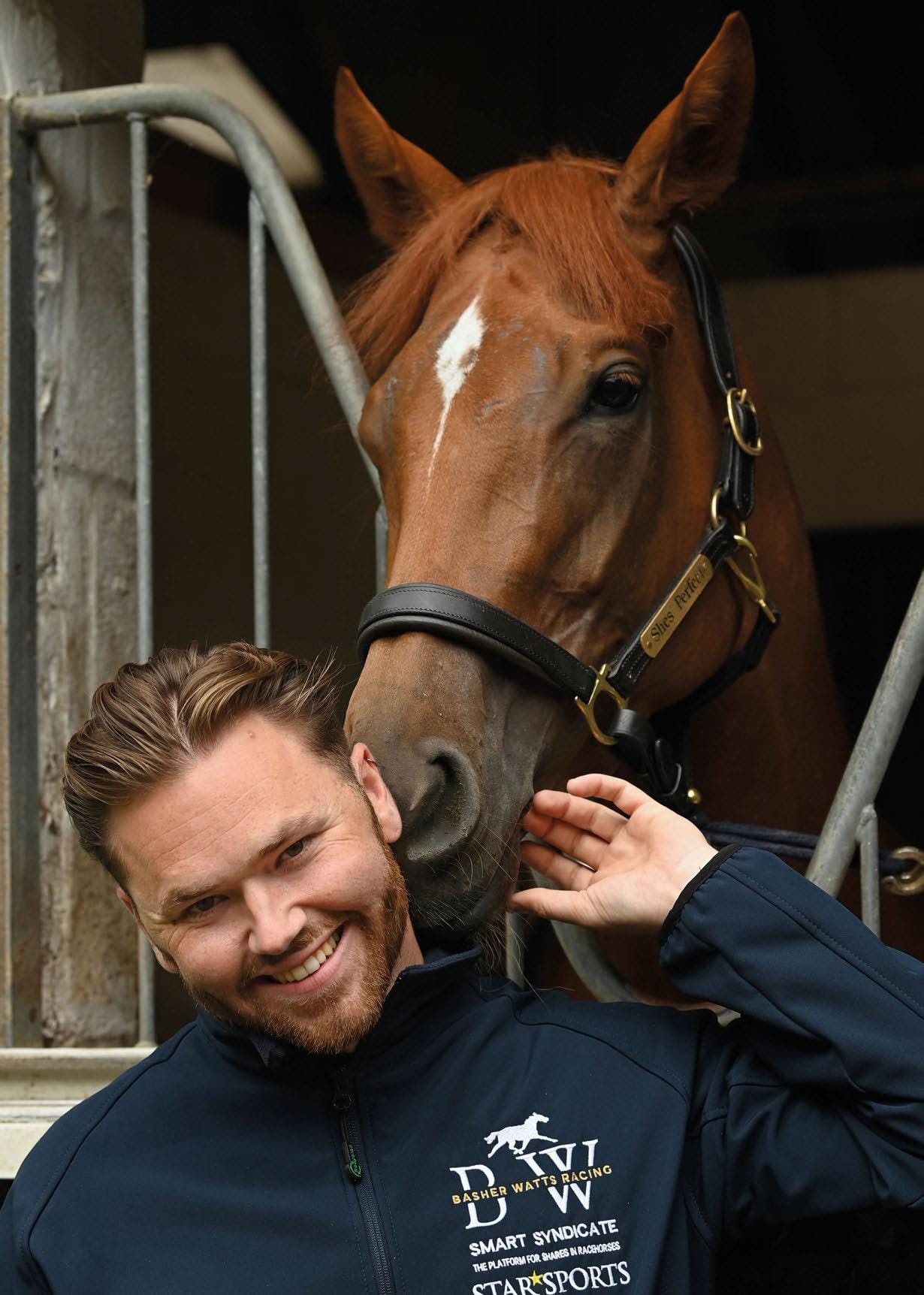
In the high-stakes world of professional horse racing, names are built on talent, dedication, and the sheer will to win. For decades, Chris Oakes was one such name, a respected and successful figure, particularly in harness racing. He was known for his ability to condition and guide elite equine athletes to victory. However, the story of Chris Oakes, the horse trainer, took a dark turn, evolving into a cautionary tale of ambition, deception, and the betrayal of the animal-human bond that lies at the heart of the sport. His career is now a stark reminder of the devastating consequences of prioritizing victory at any cost.
A Career Built on Wins
Before his name became synonymous with scandal, Chris Oakes was a formidable presence in the harness racing community. Over a career spanning nearly four decades, he amassed an impressive record, with 1,875 career wins and earnings exceeding $29.6 million. He was known for his skill and dedication, building a reputation as a trainer who could bring out the best in his horses.
His success wasn’t confined to the Standardbred world. Oakes also ventured into Thoroughbred racing, where he owned a handful of horses trained by Jorge Navarro, another prominent but now disgraced figure in the industry. This partnership, however, would ultimately become a cornerstone of his downfall, linking him to a much larger web of illicit activity.
The Doping Scandal That Shook the Industry
The legacy of Chris Oakes will forever be tied to one of the largest horse racing doping scandals in U.S. history. In 2020, he was among more than two dozen individuals indicted by the U.S. Attorney for the Southern District of New York in a sweeping federal investigation into the widespread use of illegal performance-enhancing drugs (PEDs).
The investigation revealed a dark underbelly of the sport, where trainers, veterinarians, and drug distributors conspired to cheat the system and endanger the very animals they were entrusted to care for. Oakes was not a minor player; he was a key figure, accused of not only doping the horses in his own stable but also supplying dangerous, misbranded, and adulterated drugs to other trainers, most notably Jorge Navarro.
The case against him detailed a calculated effort to gain an unfair competitive advantage. Prosecutors revealed that Oakes obtained drugs from illicit sources like Seth Fishman and even created his own PEDs. These substances were designed to be undetectable by standard testing protocols, allowing the fraud to continue for years. One of the most high-profile instances involved the champion sprinter XY Jet, where Oakes admitted to helping Navarro administer a “blocker” PED to the horse on the day of a race.
The Fall from Grace: Charges and Sentencing
Faced with overwhelming evidence, Chris Oakes’s defense crumbled. In October 2021, he pleaded guilty to one count of drug adulteration and misbranding with the intent to defraud. This admission confirmed his role in the pervasive doping scheme.
In March 2022, the final judgment was delivered. U.S. District Judge Mary Kay Vyskocil sentenced Oakes to three years in federal prison, the maximum allowable sentence under the sentencing guidelines. During the sentencing, the prosecution painted a picture of a man who flagrantly violated his duty to protect the animals under his control in a callous pursuit of prize money. U.S. Attorney Damian Williams stated, “Oakes’s sentence… reflects the callousness of their crimes, and the gravity with which this Office takes the kind of abuse that each practiced.”
While Oakes’s attorneys argued that his actions were inconsistent with a 40-year career of caring for horses, the court’s decision sent a clear message: the abuse of animals for financial gain would not be tolerated.
“True integrity in horse racing is not just about winning; it’s about honoring the partnership with the horse. The use of performance-enhancing drugs is a fundamental violation of that trust, risking the animal’s well-being for human gain.” – Dr. Sarah Miller, Equine Veterinarian and Ethics Consultant
The Lasting Impact on Horse Racing
The Chris Oakes case, along with the convictions of Navarro, Servis, and others, served as a painful but necessary wake-up call for the horse racing industry. It exposed deep-rooted problems with regulation and oversight, prompting calls for significant reform.
The scandal was a major catalyst for the implementation of the Horseracing Integrity and Safety Act (HISA), federal legislation designed to create a national, uniform standard for drug testing, safety, and racetrack accreditation. This reform aims to centralize control and eliminate the patchwork of state-by-state regulations that allowed individuals like Oakes to operate in the shadows for so long.
The story of this once-celebrated horse trainer is a powerful lesson on the corrupting influence of a “win-at-all-costs” mentality. It underscores the critical importance of ethics, transparency, and, above all, the unwavering commitment to the health and welfare of the horses.
Frequently Asked Questions (FAQ)
What was Chris Oakes the horse trainer sentenced to?
Chris Oakes was sentenced to 36 months, or three years, in federal prison in March 2022 for his role in the widespread horse doping scandal.
Is Chris Oakes still training horses?
No, Chris Oakes is no longer training horses. His federal conviction and prison sentence have effectively ended his career in the horse racing industry.
What was Chris Oakes accused of?
Oakes was accused of and pleaded guilty to felony drug misbranding and adulteration with the intent to defraud. He admitted to using performance-enhancing drugs on his own horses and supplying them to other trainers, including Jorge Navarro.
Who were the other major figures in the horse racing scandal?
Besides Chris Oakes, other high-profile trainers involved included Jorge Navarro and Jason Servis. Veterinarian Seth Fishman was also convicted for manufacturing and distributing the illicit drugs used in the scheme.
A Legacy Redefined
The name Chris Oakes will not be remembered for the winner’s circles he once frequented or the prize money he earned. Instead, his legacy is now a cautionary tale etched in the annals of horse racing history. It speaks to a pivotal moment when the sport was forced to confront its own demons and begin the arduous process of reform. For the future of equine sports, his story serves as a permanent reminder that the true measure of a horseman is not found in their victories, but in their integrity and their respect for the noble animal at the center of it all.
