
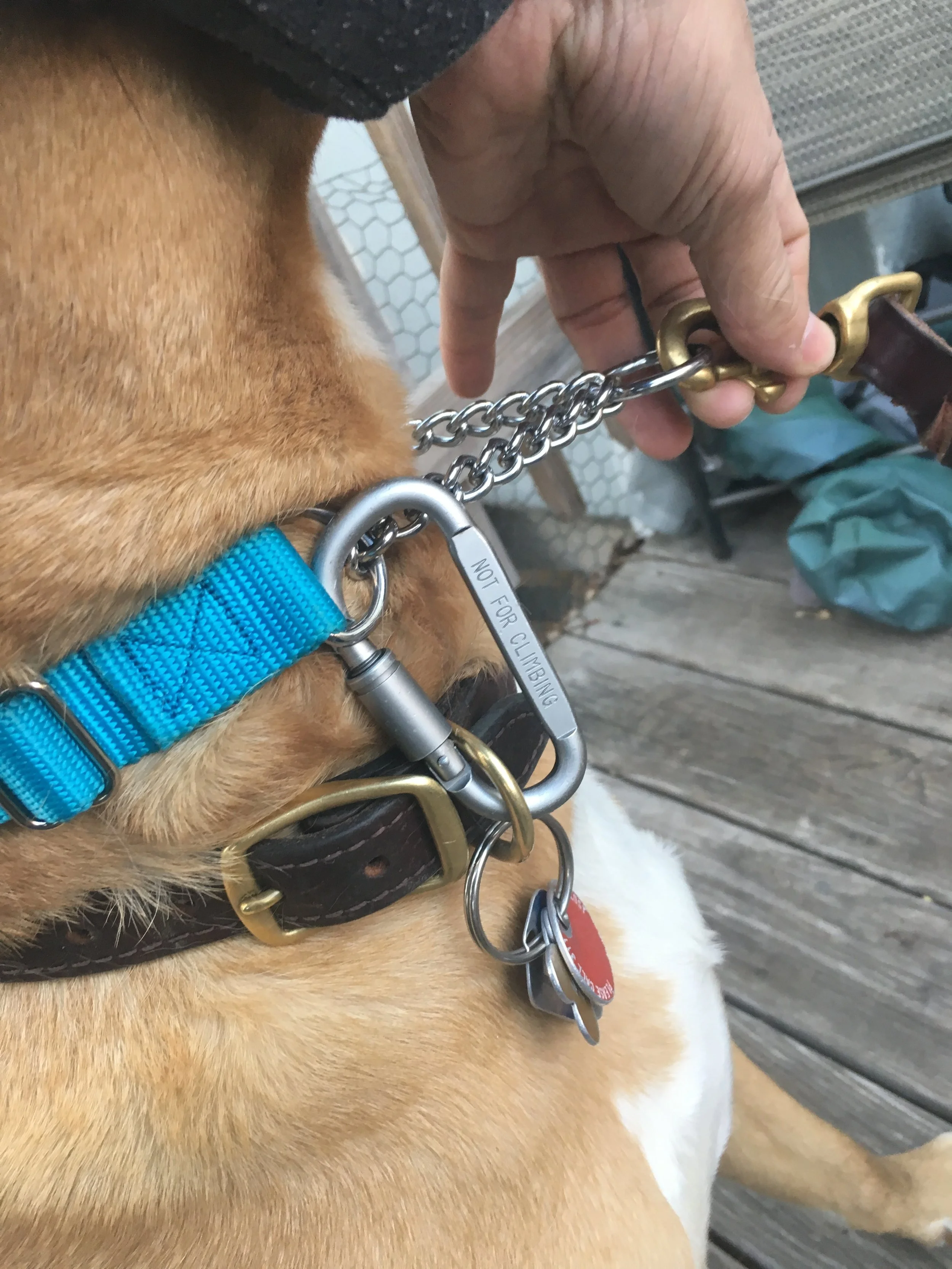
Choke collars, also known as slip collars or choke chains, are a type of training tool that can be highly effective when used correctly, but also carry a significant risk of harm if misused. They are designed to tighten around a dog’s neck when the leash is pulled, providing a quick and noticeable correction. This tightening action is intended to interrupt unwanted behaviors and redirect the dog’s attention back to the handler. The effectiveness and safety of choke collars are subjects of ongoing debate among dog trainers and owners, making it crucial to understand their mechanics, proper usage, and potential drawbacks. For those considering this tool, understanding Choke Collar For Dog Training is essential for responsible application.
The Mechanics and Purpose of Choke Collars
A choke collar consists of a loop of chain or flat material that slides through itself. When the leash is attached to the end ring and the dog pulls or lunges, the loop tightens around the dog’s neck. The intention behind this tightening is not to choke the dog, but to provide a physical cue – a brief pressure or “pinch” – that discourages a specific behavior, such as pulling on the leash, jumping, or excessive barking. When the dog stops the unwanted behavior or relaxes, the pressure is immediately released, creating a clear cause-and-effect for the dog.
This immediate feedback is a key principle in operant conditioning, a learning theory where behaviors are strengthened or weakened by their consequences. In the case of choke collars, the tightening acts as a negative punisher, decreasing the likelihood of the behavior that caused the tightening. Conversely, the release of pressure when the dog complies can be seen as a form of negative reinforcement, encouraging the desired behavior. It’s vital to differentiate this from positive punishment, which involves adding an unpleasant stimulus, or positive reinforcement, which involves adding a reward.
When to Consider Using a Choke Collar
While not suitable for all dogs or all situations, choke collars can be a part of a comprehensive dog training choke collar strategy for certain issues. They are often considered for dogs that are strong pullers on the leash, particularly those who have not responded well to other training methods like front-clip harnesses or head halters. The immediate and significant feedback provided by a choke collar can sometimes be the key to breaking ingrained pulling habits.
They might also be used in advanced obedience training or for specific behavioral modifications under the guidance of a professional. For instance, a trainer might use a choke collar for a dog exhibiting reactivity or aggression, where a very swift and clear correction is needed to interrupt a dangerous behavior. However, this level of training requires expertise and a deep understanding of canine behavior. It’s a tool that demands precision and timing, and its effectiveness is heavily reliant on the handler’s skill.
Proper Fit and Application: The Key to Safety
The single most critical factor in using a choke collar safely and effectively is ensuring a proper fit. If the collar is too loose, it may not provide the intended correction or could slip off, posing a significant safety risk. If it’s too tight, it can cause constant discomfort, restrict breathing, and lead to serious injury.
A properly fitted choke collar should rest high on the dog’s neck, just behind the ears. When the leash is slack, there should be enough space for you to comfortably slip two fingers between the collar and the dog’s neck. When the leash is gently taut, the collar should tighten, but not to the point where it’s constricting the trachea or cutting off airflow. The loop should slide smoothly through the collar’s ring.
When applying a correction, it should be a swift, firm “snap” of the leash, followed by an immediate release of tension the moment the dog responds. It’s not about yanking or jerking repeatedly, which can cause injury and create fear or anxiety in the dog. The goal is a clear, concise communication signal. This is why seeking guidance from a professional is highly recommended, especially for novice owners. An experienced trainer can demonstrate the correct way to fit and use the collar, ensuring it’s a tool for communication, not a source of pain or damage.
Potential Risks and Alternatives
Despite its potential benefits, the risks associated with choke collars are significant and cannot be overstated. Improper use can lead to:
- Neck and Trachea Injuries: The tightening can damage the dog’s trachea, larynx, esophagus, and surrounding muscles and nerves. This can result in difficulty breathing, gagging, coughing, and even collapse.
- Eye Injuries: In severe cases, the pressure on the neck can increase blood pressure in the head, potentially leading to eye injuries like glaucoma or retinal detachment.
- Skin Irritation and Abrasions: If the collar is not fitted correctly or if the dog constantly pulls against it, it can cause chafing, sores, and hair loss.
- Behavioral Issues: Instead of correcting behavior, a poorly used choke collar can instill fear, anxiety, and aggression in dogs. A dog that associates corrections with pain may become more fearful, withdrawn, or even defensive.
Given these risks, many trainers and organizations advocate for alternative training tools and methods. For leash pulling, options like front-clip harnesses, head halters (e.g., Gentle Leader, Halti), or no-pull harnesses are often considered. These tools work by redirecting the dog’s forward motion or pressure without constricting the neck.
For more complex behavioral issues, positive reinforcement training methods, which focus on rewarding desired behaviors, are widely recognized as humane and effective. Programs like the good dog puppy training program emphasize building a positive relationship and communication system with your dog. If you’re facing challenges with specific behaviors, consider seeking help from an in house dog trainer who can assess your dog and recommend appropriate, humane solutions. Learning how to train an aggressive dog or understanding advanced techniques may also involve methods that prioritize the dog’s well-being.
The Importance of Professional Guidance
The debate over choke collars highlights a crucial point: training tools are only as good as the hands that wield them. While a choke collar might seem like a quick fix for stubborn behaviors, its misuse can have detrimental consequences. If you are considering using a choke collar, or if you are struggling with your dog’s behavior, it is strongly recommended that you consult with a certified professional dog trainer or a veterinary behaviorist. They can help you:
- Determine if a choke collar is appropriate for your dog’s specific temperament, breed, and the issues you are addressing.
- Ensure the collar is fitted correctly.
- Teach you the proper technique for using the collar with effective timing and minimal force.
- Explore and implement alternative training methods that may be safer and more effective for your dog.
Professional guidance, whether for basic obedience, addressing reactivity, or understanding the nuances of dog training long island suffolk services, can provide you with the knowledge and skills to train your dog effectively and ethically. The well-being of your canine companion should always be the top priority, and informed choices about training tools are paramount to achieving that goal.
