
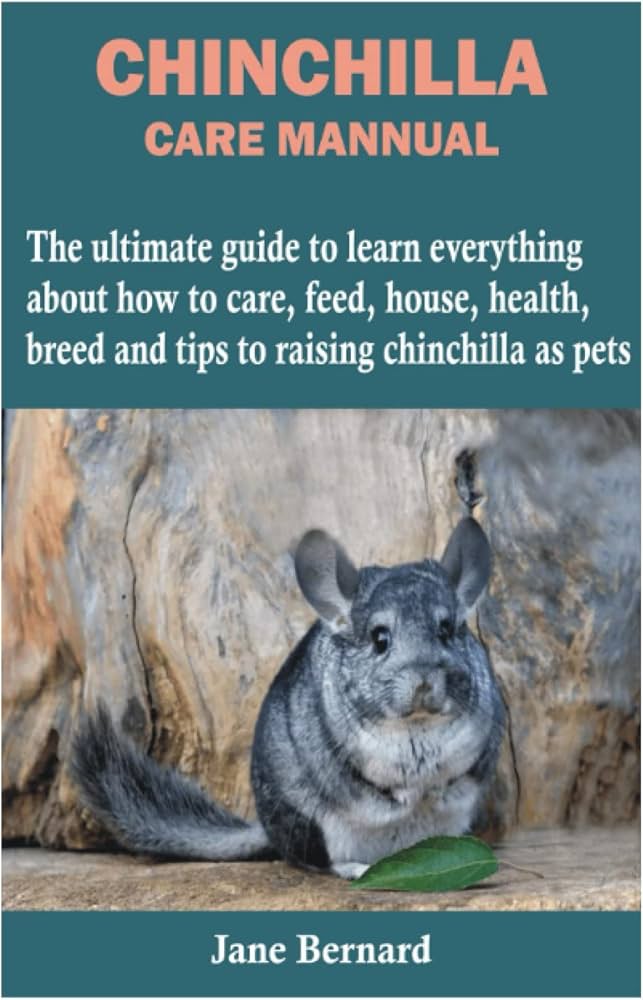
Chinchillas are captivating and charismatic rodents that can make wonderful pets, but their delicate nature requires meticulous attention to ensure they receive the proper care. Providing a healthy and happy environment for your chinchilla involves a daily commitment to fresh food and water, cage maintenance, and engaging playtime. While this care typically takes an hour or two each day, chinchillas are known for their longevity among rodents, often living for 10 to 15 years, making them a significant commitment. This guide will delve into everything you need to know to provide optimal care for your chinchilla.
Key Takeaways for Chinchilla Ownership
When handled regularly and integrated into the family, chinchillas can become cherished companions. Their diet should consistently consist of high-quality pelleted food, hay, and fresh water. Unless specifically advised by a veterinarian, chinchillas on a balanced diet generally do not require additional vitamins or supplements.
Handling and Socialization: Building a Bond
A common question among potential chinchilla owners is whether they enjoy being held. Many chinchillas, due to their naturally active disposition, prefer not to be restrained and may not sit still for extended periods. If you need to pick up your pet, it’s best to support their body securely in your arms, much like you would cradle a football, ensuring you prevent them from kicking out with their powerful hind legs. Always support their rear end while gently cradling their front. For added security and to help manage their movement, you can wrap your chinchilla in a towel.
It is crucial to remember that chinchillas possess a delicate skeletal structure. Never grab them by their tail or limbs, and avoid holding them too tightly. Responsible chinchilla ownership entails providing appropriate housing, a nutritious diet, daily exercise, and routine veterinary care. As social creatures necessitating daily interaction, chinchillas may not be suitable for individuals who travel frequently or are often away from home. Given their fragility and speed, chinchillas are generally not appropriate pets for young children to be solely responsible for, as subtle signs of illness can easily be missed. While children may enjoy interacting with chinchillas, adult supervision is always essential.
Chinchillas can thrive when housed in pairs of the same or opposite sex. However, they should not be housed with other animal species, particularly rabbits, as rabbits can carry Pasteurella, a bacteria that can be fatal to chinchillas. Daily interaction with their human family is highly beneficial, providing both exercise and strengthening the bond between pet and owner. If your chinchilla exhibits barking or aggressive behaviors, it is best to avoid handling them at that time.
Creating the Ideal Chinchilla Habitat
Chinchillas are social and friendly animals that appreciate being in proximity to their human families. Ideally, their enclosure should be situated in a common living area, such as the living room, where you spend a significant amount of time. It is vital to avoid placing their habitat in direct sunlight or in drafty locations. The optimal temperature range for chinchillas is between 55–70°F (13–21°C), and temperatures should never exceed 80°F (27°C). Similarly, humidity levels should be maintained below 40–50%.
Enclosure Specifications
A single chinchilla requires a minimum enclosure size of 2 feet by 2 feet by 4 feet. The ideal habitat features wire sides with spacing no greater than 1 inch apart. The bottom of the enclosure should be a smooth, flat surface, such as a plastic tray, rather than wire, to prevent the development of pressure sores on their feet. Multiple tiers, ramps, and shelves within the habitat will provide ample opportunities for climbing and playing.
Cleaning and Disinfection Routine
Cages should undergo a thorough cleaning with soap and water at least weekly. Bedding needs to be replaced on a weekly basis. Food and water bowls require daily cleaning with soap and water. Daily spot cleaning of the cage is essential to remove any feces, soiled bedding, or leftover food.
Suitable Bedding Materials
Provide a layer of 1–2 inches of high-quality paper bedding or crumbled paper. Wood shavings are not recommended, as ingestion can lead to intestinal blockages, and chinchillas cannot vomit. Additionally, cedar shavings should be avoided due to their potential to cause skin and respiratory tract inflammation.
Food and Water Bowls
Chinchilla pellets can be offered in a ceramic or stainless-steel dish. Free-choice hay can be provided throughout the enclosure or in a dedicated hay trough.
Chinchilla Diet and Nutritional Needs
Daily Food Intake
Offer 1–2 tablespoons of chinchilla pellets per day, preferably in the morning or evening. Water and hay should always be available in unlimited quantities.
The Importance of Hay
As herbivores, chinchillas require a constant and unlimited supply of high-quality hay. Suitable options include timothy, oat, meadow, or orchard grass hay. Alfalfa hay should be reserved only for young chinchillas or nursing mothers due to its high calcium content, which can contribute to bladder stones.
Water Consumption
Ensure your chinchilla has constant access to fresh, clean water, provided either in a bowl or a sipper bottle.
Healthy Treats
Chinchilla-friendly treats include low-calcium vegetables such as rose hips, marigolds, and calendula. Small portions of fruit, like apples, can be offered occasionally, perhaps once a week. You can also provide high-fiber treats such as apple wood sticks. Treats should constitute no more than 1–10% of your chinchilla’s overall diet.
Supplements and Vitamins
Chinchillas maintained on a healthy, balanced diet generally do not require supplemental vitamins unless specifically recommended by a veterinarian.
Foods to Strictly Avoid
Chinchillas must never be fed chocolate, caffeine, or alcohol, as these substances are toxic to them. Seeds, nuts, and dried fruits should also be avoided due to their high sugar and fat content.
Grooming Your Chinchilla: Dust Baths and Brushing
Chinchillas require dust baths at least a few times per week to maintain coat health. They also benefit from being gently brushed with a soft-bristled brush, following the direction of their fur. Never bathe your chinchilla with water, as their dense fur takes a considerable time to dry, which can lead to skin inflammation.
Chinchilla-safe dust is essential for keeping their coat clean and free of oils. Allow your chinchilla to take dust baths for at least 30 minutes outside of their primary enclosure. It is important not to leave the dust bath in the cage, as it can contribute to conjunctivitis. A dust box, approximately 6 inches by 6 inches by 9 inches, should contain 1–2 inches of chinchilla dust.
Exercise and Enrichment for Chinchillas
Chinchillas need daily opportunities for exercise, both within their enclosure and during supervised time outside of it. A flat, 15-inch exercise wheel is an excellent addition to their habitat, which should also be equipped with numerous ramps and levels to encourage running and climbing.
Veterinary Care for Your Chinchilla
Annual Veterinary Checkups
Chinchillas should receive annual checkups with an exotic veterinarian to ensure they are in good health and thriving.
Indicators of a Healthy Chinchilla
A healthy chinchilla typically exhibits the following signs:
- Good appetite and water intake.
- Healthy, glossy fur.
- Bright, clear eyes.
- Comfortable and agile movement without limping.
- Easy, unobstructed breathing, with no nasal discharge.
- An active and playful demeanor.
When to Consult Your Veterinarian
You should schedule an appointment with your veterinarian if you observe any of the following signs:
- Soft or loose stool.
- Reduced or absent eating and drinking.
- Fur loss or bald patches.
- Difficulty breathing.
- Lethargy or unusual lack of energy.
- Discharge from the eyes or nose.
- Drooling.
- Limping or difficulty walking.
- Unexplained weight loss.
- A general decrease in activity levels.
If you have any concerns about your chinchilla’s health, it is always best to err on the side of caution and consult your veterinarian promptly.
Common Chinchilla Illnesses
Some common health issues seen in chinchillas include:
- Dental disease
- Barbering (self-chewing of fur)
- Fractures
- Fur rings
- Urolithiasis (urinary calculi or bladder stones)
Your Essential Chinchilla Care Guide
Are Chinchillas Good Pets?
When given daily attention and treated as integral members of the family, chinchillas can indeed be wonderful pets. Their unusually long lifespan for small animals further adds to their appeal as companions.
Are Chinchillas Friendly?
While individual personalities vary, chinchillas that are regularly socialized can become very friendly. However, their high activity levels and speed mean they may not be the most suitable pets for very young children.
Are Chinchillas Easy to Care For?
Chinchillas require a daily commitment of time for feeding, cleaning, and allowing them out of their cage for exercise, play, and socialization. Generally, a chinchilla will need approximately one to two hours of dedicated care per day to meet their needs adequately.
Are Chinchillas Cuddly?
Although they can form affectionate bonds, most chinchillas are not particularly fond of prolonged cuddling. They are typically very active and busy animals, and as such, do not usually enjoy extended periods of snuggling.
