
Losing a beloved pet is often a child’s first encounter with grief, a profound emotional experience that can be difficult to navigate. Books offer a gentle and accessible way for young minds to process sadness, understand loss, and find comfort. This collection explores children’s books that tenderly address the difficult topic of a dog’s death, providing solace and fostering a sense of remembrance. These stories are crafted with empathy, offering young readers a way to say goodbye and to cherish the memories of their canine companions.
Understanding Grief Through Storytelling
Children’s literature plays a crucial role in helping kids understand complex emotions like grief. When a dog, often a member of the family, passes away, children may experience a range of feelings, including sadness, anger, confusion, and even guilt. Books can validate these emotions, assuring children that their feelings are normal and providing a safe space to explore them. By following characters who also experience the loss of a dog, young readers can learn coping mechanisms and understand that healing is a process.
The Importance of Age-Appropriate Content
When selecting a book about a dog’s death for a child, it’s essential to consider their age and emotional maturity. Some books offer a direct and honest approach, while others use metaphors or focus on the happy memories. The goal is to find a book that resonates with the child without being overly frightening or confusing. Stories that emphasize the love shared, the joy the dog brought, and the enduring bond between a child and their pet can be particularly comforting.
Notable Books That Gently Address Loss
Many authors have tackled the sensitive subject of a dog’s passing with grace and understanding. These stories often feature a child protagonist who is grappling with the loss of their furry friend, navigating their grief alongside supportive family members or even other pets.
“The Tenth Good Thing About Barney” by Judith Viorst
This classic children’s book tells the story of a young boy named David who, after his cat Barney dies, is tasked by his mother to think of ten good things about Barney to help him feel better. David struggles at first, but as he remembers Barney’s playful antics and loving nature, he finds solace in recalling their shared experiences. The book beautifully illustrates how remembering the positive aspects of a pet’s life can help in the grieving process. It’s a gentle reminder that even after loss, the love and joy a pet brings can remain.
“Dog Heaven” by Cynthia Rylant
Cynthia Rylant’s “Dog Heaven” offers a comforting and hopeful perspective on what happens after a dog passes away. The book depicts a serene and joyful afterlife for dogs, where they are free from pain and can play endlessly. It speaks to the idea of a peaceful resting place, providing a sense of spiritual comfort for children who are struggling with the finality of their pet’s death. The illustrations are soft and inviting, contributing to the overall sense of peace and reassurance.
“The Invisible Leash: The Companion Guide for Helping Kids Understand Death and Loss” by Patrice Karst
While not solely focused on dogs, “The Invisible Leash” is a powerful resource for children experiencing any form of loss, including that of a pet. It introduces the concept of an “invisible leash” that connects loved ones even after death, symbolizing the enduring bond. This book helps children understand that love and connection transcend physical presence. It’s a valuable tool for parents and caregivers to initiate conversations about death and loss in a way that is comforting and reassuring for children.
“Saying Goodbye to Lulu” by Corinne Demas
“Saying Goodbye to Lulu” follows a young girl named Annie as she copes with the death of her beloved dog, Lulu. The story explores Annie’s sadness and confusion, but also her memories of Lulu’s happy life. It highlights the importance of talking about feelings and finding ways to remember the joy Lulu brought into their lives. The book is praised for its sensitive portrayal of a child’s grief and its emphasis on the lasting impact of love.
Navigating the Conversation About Pet Loss
Talking to a child about the death of a dog requires patience, honesty, and a lot of love. It’s important to use clear and simple language, avoiding euphemisms that can be confusing. Phrases like “crossed the rainbow bridge” can be helpful for some, while others might prefer a more direct explanation.
Tips for Parents and Caregivers:
- Be Honest: Explain that the dog has died and will not come back, using age-appropriate language.
- Validate Feelings: Let the child know that it’s okay to be sad, angry, or confused. Share your own feelings of sadness to show that grief is a shared experience.
- Encourage Memories: Talk about happy times with the dog. Looking at photos or videos can be a comforting way to remember their pet.
- Create Rituals: A small memorial service, drawing pictures of the dog, or planting a tree in their memory can provide a sense of closure.
- Read Together: Use books like those mentioned above as a springboard for conversation and emotional processing.
- Allow Time: Understand that grief is a process and there is no set timeline for healing.
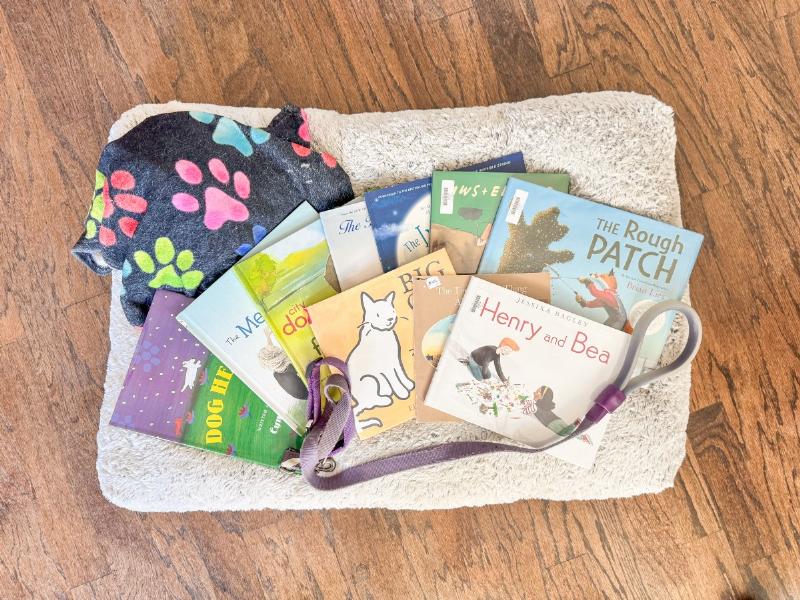 childrens book about a dog that died
The Enduring Bond: Love Beyond Life
The bond between a child and their dog is often one of the most pure and unconditional relationships a child will experience. When that bond is broken by death, the impact is significant. However, the love and lessons learned from a beloved pet never truly disappear. Children’s books about a dog’s passing serve as a testament to this enduring connection, helping children understand that while their pet is gone, the love they shared remains a cherished part of their lives. These stories encourage children to remember the joy, the companionship, and the unconditional love their dog brought them, transforming grief into a lasting tribute.
Remembering Your Canine Friend
Even after the tears subside, the memories of a beloved dog can continue to bring comfort and joy. Whether it’s a wagging tail greeting you at the door, a furry head resting on your lap, or the simple comfort of their presence, the impact of a dog on a child’s life is profound and lasting. Books that explore this theme help children carry those precious memories forward, understanding that the love for their dog is a story that will always be a part of them.
Frequently Asked Questions about Children’s Books on Pet Loss
What age is appropriate for books about a dog dying?
Books about a dog dying can be appropriate for children as young as 4 or 5, depending on their emotional maturity and the book’s approach. Younger children may benefit from more metaphorical or gently handled stories, while older children can engage with more direct narratives.
How can a book help a child deal with the death of a pet?
Books can validate a child’s feelings of sadness and loss, offer comfort through relatable characters, provide explanations about death in an age-appropriate manner, and encourage conversations about grief and remembrance.
Are there books that focus on happy memories rather than the death itself?
Yes, many books focus on celebrating the life of the pet and the happy memories shared, rather than dwelling solely on the death. These stories help children remember the joy their pet brought and maintain a positive connection.
What if the child is very upset by the book?
If a book is too upsetting, it’s okay to put it away and try again later, or choose a different book. The goal is to provide comfort and understanding, not to cause further distress. It may be helpful to read the book together and discuss the parts that are difficult.
Should I use a euphemism like “crossed the rainbow bridge”?
Whether to use euphemisms depends on the child and your family’s beliefs. Some children find comfort in these gentler phrases, while others may be confused. Honesty, delivered with compassion, is often the best approach. Discussing the concept of death in simple terms can be more beneficial in the long run.
