
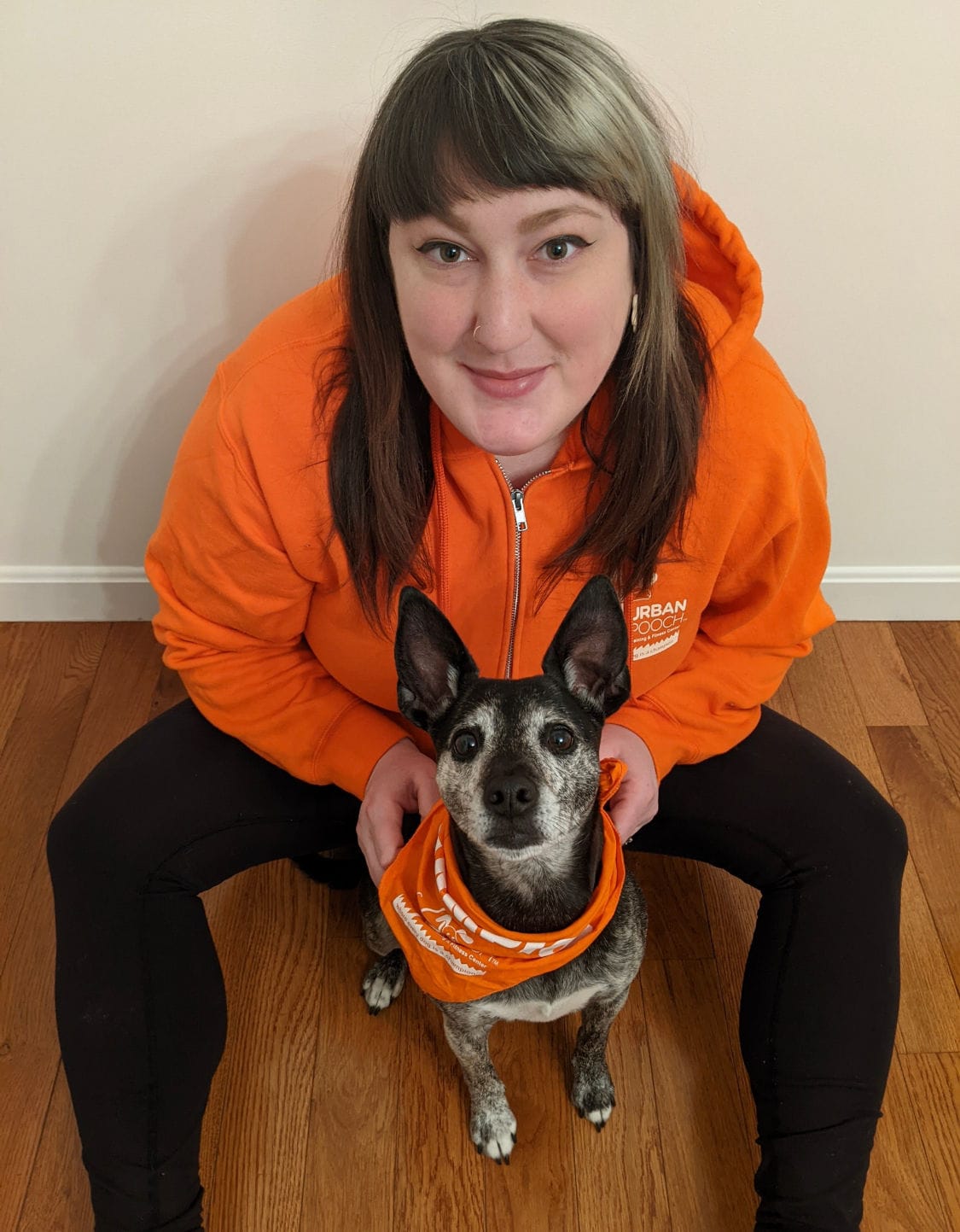
Bringing a dog into your life is an incredibly rewarding experience, and ensuring they’re well-behaved is key to a harmonious household. For those in the Chicago area, the journey of finding the right dog training can feel a bit overwhelming with so many options available. Whether you’re dealing with a playful puppy or a canine companion with some ingrained habits, understanding the landscape of dog training services in Chicago is the first step towards success. This guide will help you navigate the options, understand different training philosophies, and ultimately, find a trainer or program that’s the perfect match for you and your dog.
Understanding Your Dog’s Training Needs
Before diving into specific classes or trainers, it’s essential to assess what your dog needs. Are you starting from scratch with a new puppy, and need to focus on basic obedience and socialization? Perhaps you have an adult dog who needs help with specific behavioral issues like leash reactivity, separation anxiety, or excessive barking. Knowing your goals will help you filter through the myriad of classes and private sessions available.
- Puppy Socialization & Basic Obedience: Crucial for young dogs to learn how to interact with other dogs and people, and to understand fundamental commands like sit, stay, and come.
- Behavioral Modification: For dogs exhibiting problematic behaviors, a certified professional can help address the root cause and implement effective solutions. This might involve addressing fear-based aggression, resource guarding, or jumping.
- Advanced Obedience & Canine Sports: For those looking to deepen their bond and challenge their dog, advanced classes can lead to activities like agility, nose work, or advanced obedience trials.
Navigating the Chicago Dog Training Scene
Chicago boasts a diverse range of dog training options, from large, established training centers to independent, specialized trainers. When considering options, look for qualifications, experience, and a training methodology that aligns with your values.
Types of Training Methodologies
The world of dog training has evolved, and many modern trainers prioritize positive reinforcement techniques. These methods focus on rewarding desired behaviors, making training a positive and enjoyable experience for both the dog and the owner.
- Positive Reinforcement: This is the most widely recommended approach. It involves using rewards such as treats, praise, or toys to encourage a dog to repeat a behavior. It builds a strong bond and fosters trust.
- Balanced Training: This approach may incorporate both positive reinforcement and the use of aversive tools (like prong collars or electronic collars) when necessary to deter unwanted behaviors. While some trainers advocate for its effectiveness, it’s crucial to ensure it’s used humanely and by experienced professionals.
- Clicker Training: A specific form of positive reinforcement where a clicker is used as a marker signal to indicate the exact moment a dog performs the desired behavior, immediately followed by a reward.
It’s important to research the philosophy of any trainer or facility to ensure it resonates with you. Many reputable organizations, such as the Certification Council for Professional Dog Trainers (CCPDT), offer resources to help you understand different training approaches and find certified professionals.
Finding Certified and Experienced Trainers
In Chicago, you’ll find many trainers who are certified by recognized organizations. Certifications like CPDT-KA (Certified Professional Dog Trainer – Knowledge Assessed) or KPA-CTP (Karen Pryor Academy Certified Training Partner) indicate that a trainer has met rigorous standards of knowledge and practical skills.
When searching for trainers, consider:
- Credentials: Look for certifications and ongoing education.
- Experience: How long have they been training? Do they have experience with your dog’s breed or specific issues?
- Reviews and Testimonials: What do other dog owners in the Chicago area say? Look for consistent positive feedback regarding effectiveness and the trainer’s approach.
- Initial Consultation: Many trainers offer a brief introductory call or a paid in-home consultation. This is a great opportunity to ask questions and gauge their personality and approach.
Popular Dog Training Services in the Chicago Area
Chicago offers a plethora of options, catering to every need and budget. Here are a few types of services you might encounter, along with advice on how to approach them:
Group Classes
Group classes are excellent for socialization and learning basic obedience in a distracting environment. They are typically more affordable than private sessions and offer a structured learning experience. Look for classes that keep low student-to-dog ratios to ensure individual attention.
Private Training
Private training offers personalized attention tailored to your dog’s specific needs and your schedule. This is ideal for addressing behavioral issues or for owners who prefer one-on-one instruction. A good private trainer will come to your home or meet at a mutually agreed-upon location in the Chicago area.
Board and Train Programs
For owners who are short on time or dealing with significant behavioral challenges, a “board and train” program might be an option. Your dog lives with the trainer for a set period, receiving intensive training. It’s vital to choose a reputable program that provides clear communication, regular updates, and a thorough handover session upon your dog’s return. Understand the daily routine and training methods used extensively.
Specialized Training
Beyond basic obedience, Chicago offers specialized training for specific goals:
- Agility Training: Many facilities offer agility courses where dogs learn to navigate obstacle-filled courses. This is a fantastic way to build confidence and athleticism.
- Puppy Kindergarten: Specifically designed for very young puppies, focusing on early socialization and foundational behaviors.
- Service Dog Training: Professional organizations and trainers often specialize in training service dogs for individuals with disabilities.
Making the Most of Your Dog’s Training
Once you’ve chosen a trainer or program, active participation is crucial.
Be an Engaged Owner
Your dog’s training journey is as much about you as it is about them. Be prepared to:
- Practice Consistently: Training doesn’t stop when the class ends. Regular practice at home, incorporating the techniques learned, is key to reinforcing behaviors.
- Be Patient: Every dog learns at their own pace. Celebrate small victories and don’t get discouraged by setbacks.
- Communicate with Your Trainer: If you’re struggling with a particular exercise or noticing new behaviors, don’t hesitate to reach out to your trainer for guidance.
Understanding the Role of Consistency and Patience
Consistency is the cornerstone of effective dog training. Using the same commands, cues, and reward systems every time helps your dog understand expectations. Patience is equally important. Learning new things takes time, and dogs, like humans, can have good days and bad days. A patient and understanding approach fosters a stronger bond and a more positive learning environment. If you’re looking for resources on dog training tools for biting, ensure your chosen trainer can guide you on humane and effective methods.
Addressing Common Behavioral Concerns in Chicago Dogs
Dogs in a bustling city environment like Chicago can sometimes develop specific behaviors due to the increased stimuli.
Leash Reactivity
Many Chicago dog owners grapple with leash reactivity – when a dog barks, lunges, or pulls excessively at the sight of other dogs, people, or bikes while on leash. This often stems from fear, frustration, or over-arousal. Finding dog training schaumburg il or trainers specializing in reactivity in other Chicago suburbs can be beneficial, as they often employ desensitization and counter-conditioning techniques.
Separation Anxiety
Dogs left alone for extended periods, common for city dwellers with busy work schedules, can develop separation anxiety. Symptoms include destructive behavior, excessive barking, or house-soiling. Addressing this requires patience and often a gradual reintroduction to being alone.
Recall Issues
A reliable recall (when your dog comes when called) is paramount for safety, especially in parks or less-controlled environments. Training a strong recall is a fundamental skill that requires consistent practice in increasingly distracting settings.
The “Hot Dog Train Restaurant” Analogy
While not a literal training method, the idea behind a “hot dog train restaurant” (if such a concept existed) could be seen as a metaphor for highly specialized, engaging, and perhaps even fun training environments. Imagine a place where every element is designed to capture a dog’s attention and reward them for positive actions, much like a beloved restaurant engages its patrons. This highlights the importance of making training a positive and rewarding experience, rather than a chore. This principle is central to modern, effective dog training.
The Value of Professional Guidance
Navigating the world of dog training can be challenging, but the rewards of a well-trained dog are immense. Whether you opt for group classes, private sessions, or specialized programs, investing in professional guidance for your canine companion in the Chicago area is an investment in a happier, more fulfilling life together. Remember, the best training approach is one that is humane, effective, and strengthens the bond between you and your dog. For those seeking a comprehensive approach, exploring options like reviews on Petco dog training or looking into highly-regarded local trainers can provide valuable insights.
Frequently Asked Questions About Chicago Area Dog Training
What is the average cost of dog training in Chicago?
The cost can vary significantly depending on the type of training, the trainer’s experience, and the program’s duration. Group classes might range from $150-$300 for a 6-week session, while private training sessions can cost $75-$200 per hour. Board and train programs can range from $1,000 to $5,000 or more, depending on the length and intensity.
How do I choose the right dog trainer for my needs?
Consider the trainer’s methodology (positive reinforcement is generally recommended), their certifications (like CPDT-KA), experience with your dog’s breed or issues, and client testimonials. An initial consultation is a great way to assess compatibility.
How long does it take to train a dog?
This varies greatly by dog, breed, age, and the complexity of the training. Basic obedience can often be achieved in a few months with consistent effort. Addressing behavioral issues may take longer, sometimes six months or more, requiring ongoing commitment.
What if my dog is fearful or aggressive?
For fear-based or aggressive behaviors, it’s crucial to seek out a certified professional with experience in behavior modification. Avoid trainers who use harsh or punitive methods, as these can exacerbate fear and aggression. Look for trainers who emphasize desensitization and counter-conditioning.
Can I train my dog myself?
Yes, with dedication, patience, and the right resources, many owners can train their dogs effectively. However, for complex behavioral issues or if you’re unsure where to start, professional guidance is highly recommended. It ensures you’re using safe and effective techniques.
