
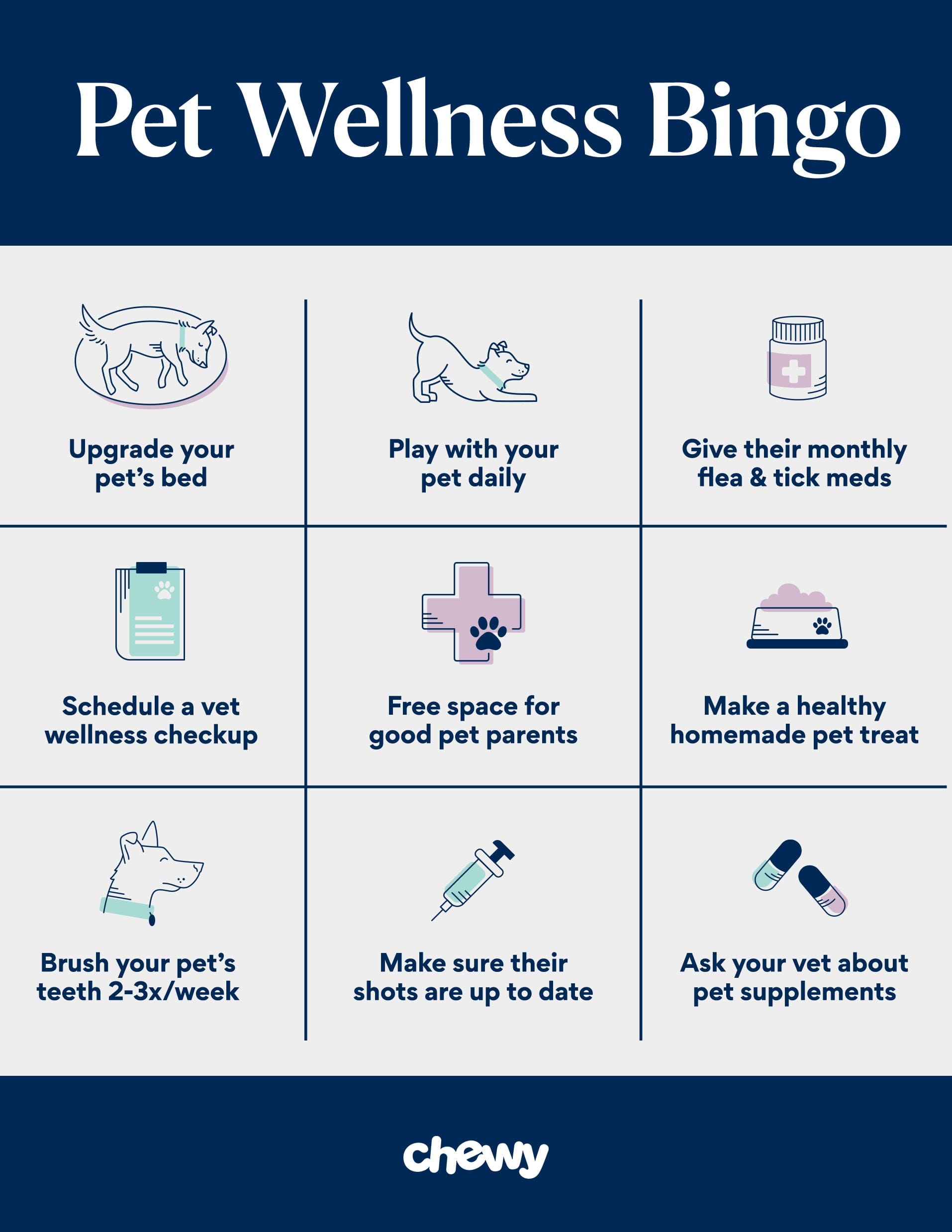
Regular pet wellness exams are fundamental to ensuring the overall health of your dog or cat. These crucial check-ups allow veterinarians to identify potential health issues early, leading to timely diagnosis and effective treatment. This guide provides an in-depth look at what to expect during these visits and how to best prepare.
Key Takeaways
- Wellness exams are vital for the early detection of health problems and should be scheduled regularly. Adult pets generally require annual check-ups, while puppies, kittens, and senior pets need more frequent visits.
- A standard wellness visit typically includes a thorough physical examination, diagnostic testing, and preventive care such as vaccinations and parasite control. It’s also an opportunity to discuss your pet’s diet, behavior, and daily routines with your veterinarian.
- The cost of these exams can vary based on your location, your pet’s age, and the type of clinic. However, being prepared with your pet’s health records and a list of questions can streamline the appointment and ensure efficiency.
How Often Should Cats and Dogs Visit the Veterinarian?
The recommended frequency of pet wellness exams is largely determined by your pet’s age and life stage.
Puppies and Kittens
Young animals experience rapid growth and development. Puppies and kittens typically need to visit the veterinarian for wellness care every three to four weeks, beginning at 6 to 8 weeks of age and continuing until they are between 16 and 20 weeks old. Following this series of visits, their next wellness exam is usually scheduled about one year after their last appointment.
Adult Pets
For adult cats and dogs, veterinarians generally recommend annual wellness exams. These yearly check-ups are essential for monitoring their health and catching any developing issues.
Senior Pets
As pets age more rapidly than humans, it’s advisable to increase the frequency of veterinary visits to every six months once they enter their senior years. This transition typically occurs around 7 years of age for medium-sized dogs, slightly earlier for large and giant breeds, and around 9 to 10 years of age for cats and small dogs. If you are uncertain about the appropriate frequency for your pet, it’s best to consult your veterinarian.
What to Expect During a Pet Wellness Checkup
A pet wellness exam encompasses a wide range of assessments and discussions. Here’s a breakdown of what you can anticipate during your visit:
Routine Physical Examinations
During a routine exam, your veterinarian will:
- Measure your pet’s weight.
- Take their temperature and check their pulse and respiration rate.
- Inquire about your pet’s diet, lifestyle, behavior, and health history.
- Conduct a comprehensive physical examination from head to tail, including an oral examination.
Diagnostic Testing
In addition to a thorough physical exam, your veterinarian may recommend diagnostic tests to gain further insight into your pet’s health:
- Heartworm Test: Dogs and cats over seven months of age should be tested for heartworms before commencing preventive medication. The American Heartworm Society recommends annual testing for dogs, even those on prevention, to detect any breakthrough infections early. Dogs and cats require this crucial test.
- Blood Work and Urinalysis: Veterinarians commonly suggest blood work, including a complete blood cell count (CBC) and a blood chemistry panel, along with a urinalysis for adult and senior dogs. Older cats may require thyroid testing at least once a year to screen for conditions like hyperthyroidism.
Preventive Care Discussions
Your veterinarian will emphasize the importance of preventive care during your pet’s wellness exam. This may include:
- Vaccinations: Core vaccines are essential for protecting pets against common and dangerous diseases. Based on your pet’s lifestyle, age, and health status, your vet might also suggest non-core vaccines, such as those for influenza (dogs), leptospirosis (dogs), FIV, FeLV, or Chlamydia felis (cats).
- Parasite Control: Regular testing for and prevention of internal and external parasites, like fleas, ticks, and intestinal worms, is crucial for your pet’s health and can prevent zoonotic disease transmission.
- Spay/Neuter: For pets not intended for breeding programs, spaying or neutering offers numerous health and behavioral benefits. Your veterinarian can discuss the advantages, potential risks, and optimal timing for these procedures.
- Grooming: Consistent grooming, including brushing, bathing, nail trims, haircuts, and ear cleaning, is vital for maintaining your pet’s hygiene and comfort. Your veterinarian can advise on the specific grooming needs of your pet.
Understanding the Costs of Veterinary Checkups
The cost of a pet wellness exam can vary significantly. Below is an approximate cost breakdown for common services:
| Service | Estimated Cost Range |
|---|---|
| Office visit/physical exam | $40–$90 |
| Blood work | $50–$200 |
| Urinalysis | $20–$60 |
| Fecal exam | $25–$50 |
| Core vaccines (each) | $20–$60 |
| Microchip placement | $20–$75 |
| Heartworm test | $20–$75 |
| FeLV/FIV test | $20–$40 |
| Nail trim | $20–$30 |
Veterinary clinics should provide a detailed estimate before your appointment. Don’t hesitate to request one. Factors influencing the cost include your pet’s age, your geographic location, and the type of clinic.
Pet Insurance as a Financial Aid
Exploring pet insurance options can make veterinary care more affordable through manageable monthly payments. Pet insurance packages vary, with many plans covering wellness care alongside emergencies. Companies like CarePlus offer plans with exclusive benefits.
Factors Influencing Exam Costs
Your Pet’s Health and Age
The specific health needs and age of your pet will directly impact the diagnostics and treatments recommended during a wellness exam, influencing the overall cost. For instance, a routine check-up for a young, healthy Shih Tzu with no vaccine boosters will be less expensive than a comprehensive exam for a 15-year-old Siamese cat who may require multiple boosters and extensive lab work.
Geographic Location
As indicated by the 2019 Nationwide/Purdue Veterinary Price Index, veterinary service costs can differ significantly by region. Major metropolitan areas often have higher prices compared to rural locations.
Type of Clinic
The type of veterinary facility also affects pricing. Some not-for-profit organizations offer basic services like rabies vaccinations at cost, while dedicated vaccine clinics provide a more economical option for preventative care. Full-service veterinary hospitals, though potentially more expensive, offer a comprehensive range of services and the opportunity to build a lasting relationship with your veterinary team, which is invaluable should your pet become ill or injured. This can be particularly important when considering the best books on breeding dogs.
Preparing for Your Pet’s Wellness Exam
Thorough preparation can make your pet’s wellness exam a smoother, less stressful, and potentially more cost-effective experience. Consider these steps:
- Gather Health Records: If your pet has received veterinary care elsewhere, bring their previous health records or arrange for them to be forwarded to your current clinic. This helps avoid redundant testing and ensures continuity of care.
- Document Medications and Diet: Compile a list or take photos of all medications, supplements, and foods (including treats) your pet consumes.
- Bring a Stool Sample: If possible, bring a fresh stool sample from your pet. If not, your veterinarian can usually collect one during the exam if needed.
- Prepare Your Questions: Write down any questions or concerns you have regarding your pet’s health, behavior, or diet. Your veterinarian is there to address your concerns, so don’t hesitate to ask.
Veterinary wellness exams offer significant health benefits for your beloved pets. By adhering to the recommended examination schedule based on your pet’s age and condition, you can proactively manage their health and prioritize their overall well-being through essential vaccinations, diagnostic testing, and thorough examinations. This proactive approach ensures your pet enjoys a long, healthy, and happy life. For those interested in advanced canine care, exploring resources like adult books about dogs can provide further insights. Remember to also consider specific training guides such as dog training books for German Shepherds or a Shiba Inu training book.
