
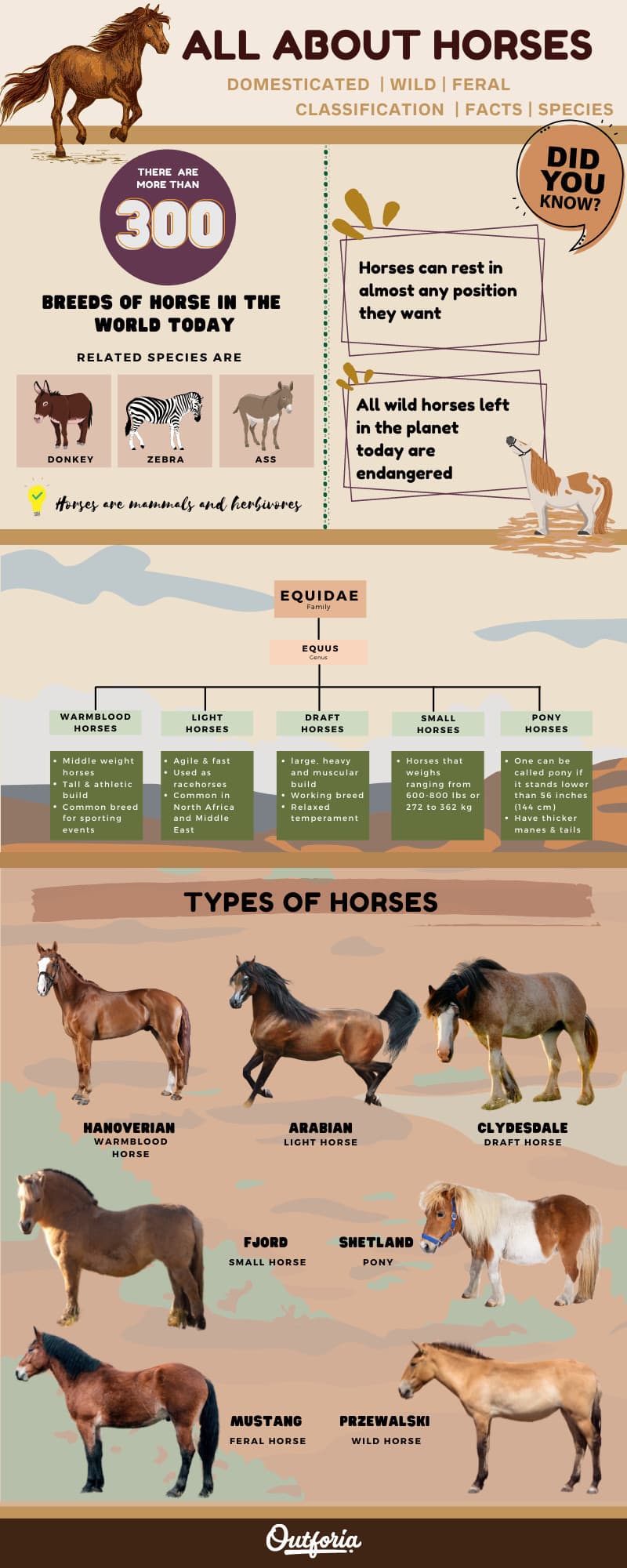
Coldblooded horses, often referred to as draft breeds, represent the largest and most powerful horses globally. For centuries, these magnificent animals have been indispensable for the heaviest tasks, from plowing fields and logging forests to pulling a wide array of vehicles through city streets. Their strength was crucial in railway yards, for operating brewery drays, and in moving artillery. Even today, they bear massive drums in military bands, earning them the affectionate title of “gentle giants.” Known for their good-natured temperament, willingness to work, and enjoyment of human company, these horses continue to captivate many. While no longer essential for modern agriculture or urban logistics, they play a vital role in heritage preservation and maintaining delicate landscapes where motorized vehicles would cause damage.
Features and Character of Coldblooded Horses
The most striking characteristic of a coldblooded breed is its sheer size. These horses can easily stand 18 hands high (72 inches/183 cm), with some reaching an impressive 20 hands 2 inches (82 inches/208 cm). For agricultural work, horses with shorter legs and a lower center of gravity are often favored. In contrast, for pulling heavy loads like brewers’ drays laden with barrels, taller horses with powerful hindquarters and specific leg conformation are preferred. The legs of coldblooded horses are notably large and robust. Their faces, while charming, are alert, reflecting their hardworking and amenable natures. Coldblooded horses possess large feet and move with an impressive, deliberate gait.
Many of the world’s draught horse breeds have their origins in Europe. While their ancestors were not as tall as modern draft horses, they were significantly stronger than the lighter breeds like Palfreys, which were used for general riding. They moved at a slower, steadier pace rather than quickly. The term “coldblooded” emerged to distinguish them from faster, more agile light breeds such as the Turkoman and Arabian, which were considered “hot-blooded.” Coldblooded horses were also believed to possess stable temperaments, making them reliable workers. Their work in transporting goods or plowing did not necessitate rapid movement, thus emphasizing the importance of their steadiness, power, and hardworking qualities. Some of these breeds are characterized by long hair on their fetlocks, known as “feathers,” and often sport long manes and tails.
It was during the eighteenth and nineteenth centuries that draft horses saw a significant increase in size. Through selective breeding, breeds like the English Shire, the Scottish Clydesdale, and the French Percheron were developed into animals larger and stronger than ever before. This growth in size paralleled advancements in agriculture and the rise of industrialization. Consequently, many nations developed their own distinct types of coldblooded draft horse breeds, from Brittany to Russia. Primarily a European product, many Western European breeds were exported worldwide as workhorses. More recently, coldblooded horses have been instrumental in the creation of modern warmblooded sport horse breeds.
Prominent Coldblooded Horse Breeds
The world’s most recognized coldblooded breeds likely include the Shire Horse and the Belgian Draft Horse. Belgian Draft Horses and Percheron Horses have consistently been popular in North America, especially in the USA. Clydesdales significantly contributed to the economies of Canada, Australia, and New Zealand, with many bred in Scotland and fetching record prices when sold overseas. At one point, the strong and sturdy Suffolk Punches were widely used to improve European breeds and bear similarities to the coldblooded Schleswig Horses and Jutland Horses. French breeds, such as the Percheron and Boulonnais Horses, are not only immensely powerful but also exceptionally beautiful. They are often used in crosses to develop successful warmblooded horses, particularly for harness work. The Ardennes and Brabant horse breeds are popular in Belgium, France, and Sweden. While the USA may only have one indigenous coldblooded horse breed, the American Cream Draft Horse, it is a notably beautiful breed also used for riding. Some pony-sized equines, like the Haflinger, which are also used for draft purposes, are sometimes referred to as coldblooded, although technically they are warmblooded due to some Arabian ancestry. Less common but equally stunning coldbloods include the Noriker Horses, Breton Horses, and the French Mulassier, utilized for breeding with Poitou jack donkeys. Black Forest Horses and Friesian Horses exemplify coldblooded breeds that masterfully combine great strength with elegance. Today, many coldblooded breeds are employed in riding activities alongside their traditional roles.
