
Bringing a horse into your life is a significant decision, and the initial purchase price is only the beginning of the financial commitment. Beyond the buying cost, one must account for essential expenses such as food, housing, breeding, ongoing maintenance, and veterinary care. As of March 2022, the spectrum of costs for acquiring an equine companion can range dramatically, from a mere $100 to an impressive $250,000. This wide price variation is influenced by numerous factors, including the horse’s age, gender, pedigree, and intended purpose. For those seeking the most economical options, exploring specific horse breeds known for their affordability is key.
Several avenues exist for acquiring a less expensive horse. One compelling option is to consider adopting a mustang. In some regions, government programs may even offer financial incentives, such as up to $1,000 per horse, effectively allowing you to acquire a horse for free or even profit. Alternatively, if you possess the necessary skills and knowledge, you could capture and train a mustang yourself. However, this endeavor typically requires obtaining official permission from state or local authorities before embarking on such a pursuit.
Participating in local fairs or raffles can sometimes present opportunities to win a horse, making the cost of ownership as minimal as the price of a ticket or entry fee. Another strategy for purchasing horses at a lower price point involves considering mixed breeds, those with less distinguished markings, or individuals with a less defined pedigree. Beyond these general approaches, certain horse breeds are inherently more budget-friendly than others. Let’s delve into some of the most affordable breeds available.
Exploring the Cheapest Horse Breeds
1. Mustangs
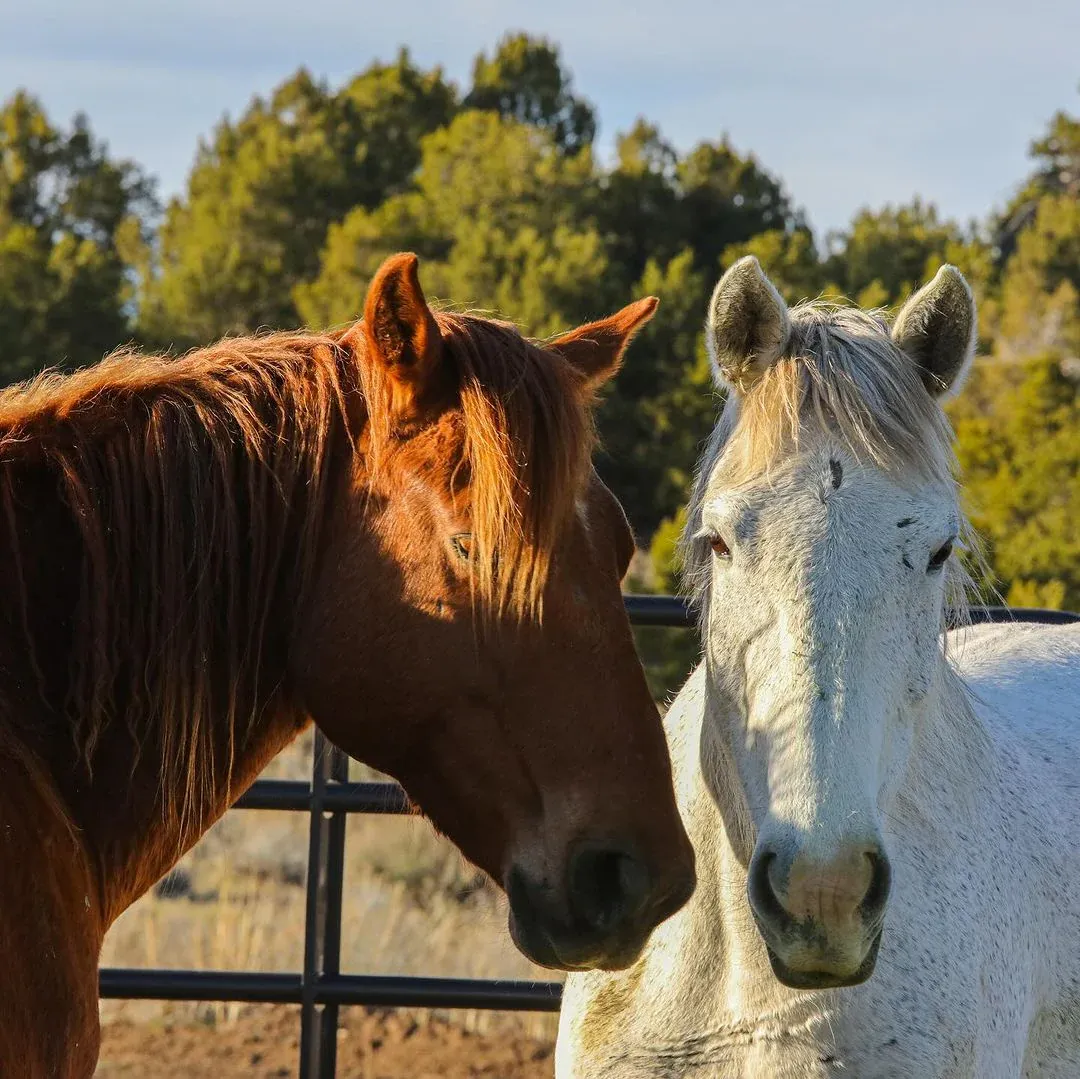 Mustangs
Mustangs, often found roaming wild, can be acquired through licensed capture programs, provided you have the necessary permits from wildlife authorities. Private ranchers may also permit mustang wrangling on their properties, offering training on safe capture techniques, which can be an exhilarating experience. While this method is designed to be humane, it can still cause stress to the horses.
A more direct route is purchasing a mustang through government rescue initiatives. In some cases, these horses can be acquired for as little as $25, and there have been instances where a Devil’s Garden horse was available for just one dollar. While the initial acquisition cost may be low, it is crucial to realistically assess the ongoing expenses associated with owning any horse, even those considered budget-friendly. Due to their less documented pedigrees, mustangs may be more prone to certain health issues. Furthermore, horses are significant consumers of feed. The monthly cost for feeding a horse kept on your own property can range from $200 to $300. If opting for commercial stable boarding, you should anticipate monthly expenses between $260 and $600, which covers food, accommodation, and daily care, in addition to transportation costs to visit your companion.
When searching for an affordable mustang, look beyond just their color. Thoroughly inspect the horse for signs of good health and spend time interacting with them to ensure compatibility in temperament. Consulting with a veterinarian can also provide valuable insights into which mustang breed might best suit your needs. For instance, mountain mustangs are known for their stamina over long distances but can be spirited, whereas Kigers are generally regarded as friendlier and more manageable.
2. Rescue Horses
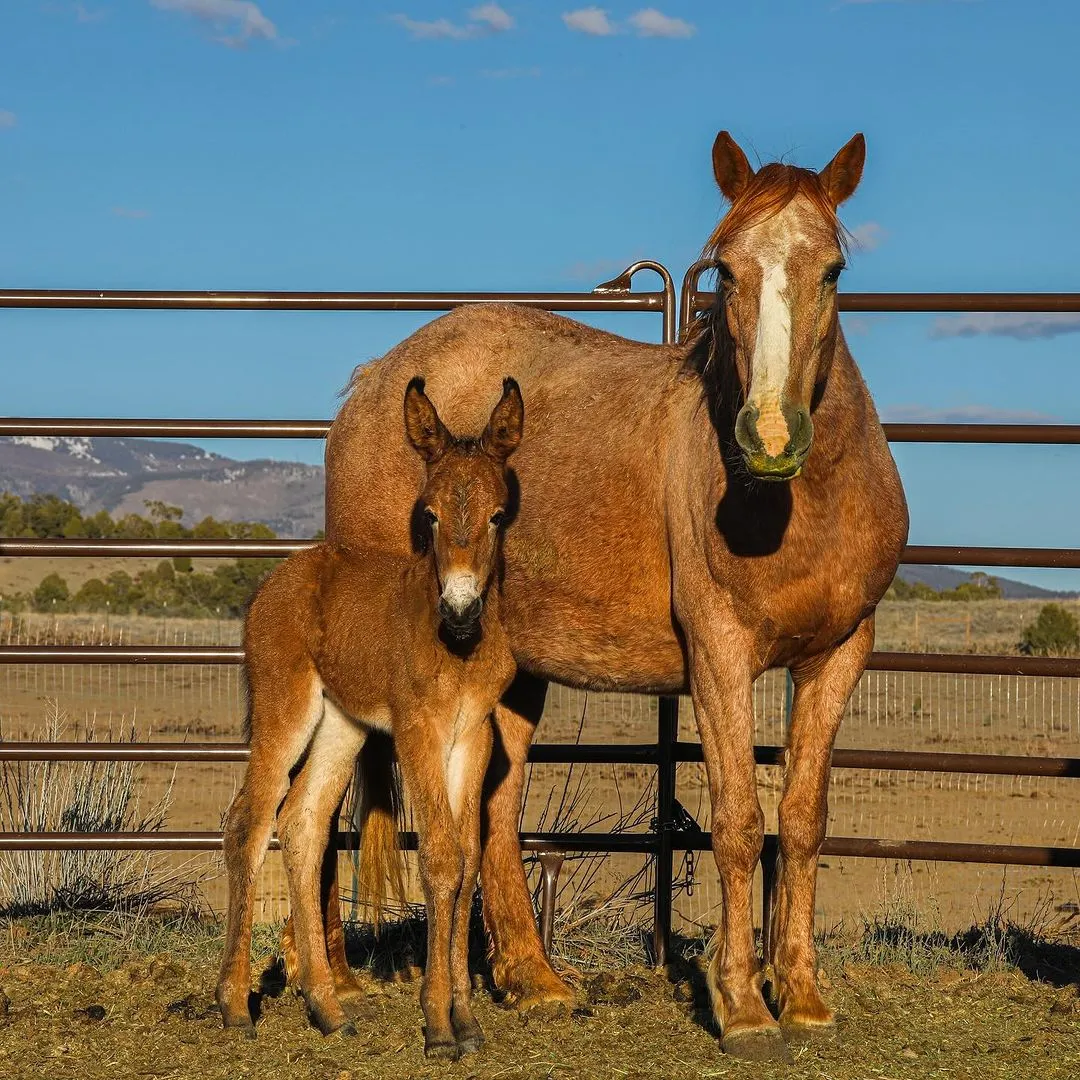 Rescues
Rescue horses encompass a wide variety of backgrounds, from former racehorses to those seized in animal cruelty cases. While breed characteristics vary, the horse’s current health and temperament are paramount considerations. A rescued racehorse, for example, might be retrained for disciplines like dressage or jumping, though they may require specialized supplements to maintain peak condition.
Conversely, a rescued mustang might exhibit deep-seated trauma from past experiences, potentially affecting their ability to bond with a new owner. Additionally, the environment from which a horse was rescued might not adequately prepare it for your local climate, necessitating careful evaluation before purchase. Local animal shelters, SPCAs, and even horse abattoirs can be sources for rescue horses. While the latter may seem a grim prospect, these horses on death row can sometimes be acquired for a few hundred dollars, offering a chance at a new life.
When embarking on the journey of rescuing and rehabilitating horses, appropriate footwear is indispensable for the demanding hours spent in stables and paddocks. Wild Jolie Cowgirl Boots are engineered to provide the necessary durability and comfort for such demanding work, all while retaining a stylish western aesthetic. These boots are exceptionally well-suited to meet the physical and emotional challenges involved in working with rescue horses.
3. Quarter Horse
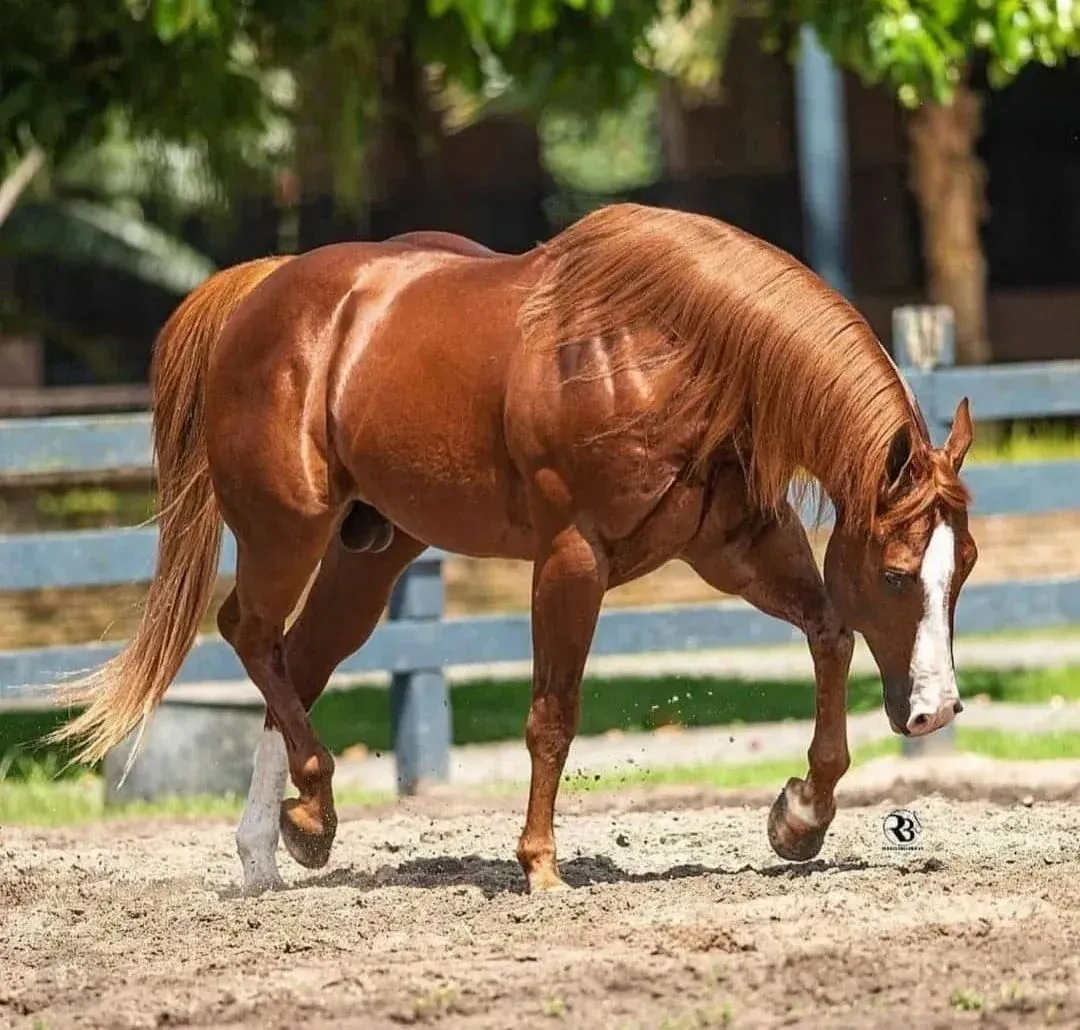 Quarter Horse
The affordability of Quarter Horses can be attributed to their mixed lineage, often resulting from a blend of Arabian horses, Native American breeds like the Chickasaw, mustangs, and Thoroughbreds. This genetic diversity contributes to their versatile nature, making them capable all-rounders. Quarter Horses are selectively bred for traits such as speed, athleticism, power, and a notably friendly disposition. Their amenable personalities, combined with their mixed heritage, often translate to more accessible price points. Furthermore, they possess a well-regarded “cow sense,” an innate ability to herd cattle, which historically made them indispensable to pioneers and cowboys. The official registry for Quarter Horses was established in 1940. Commonly recognized by their sorrel (a light reddish-brown) coloration, they are an excellent choice for novice riders due to their manageable temperament and reasonable cost.
4. Paint Horse
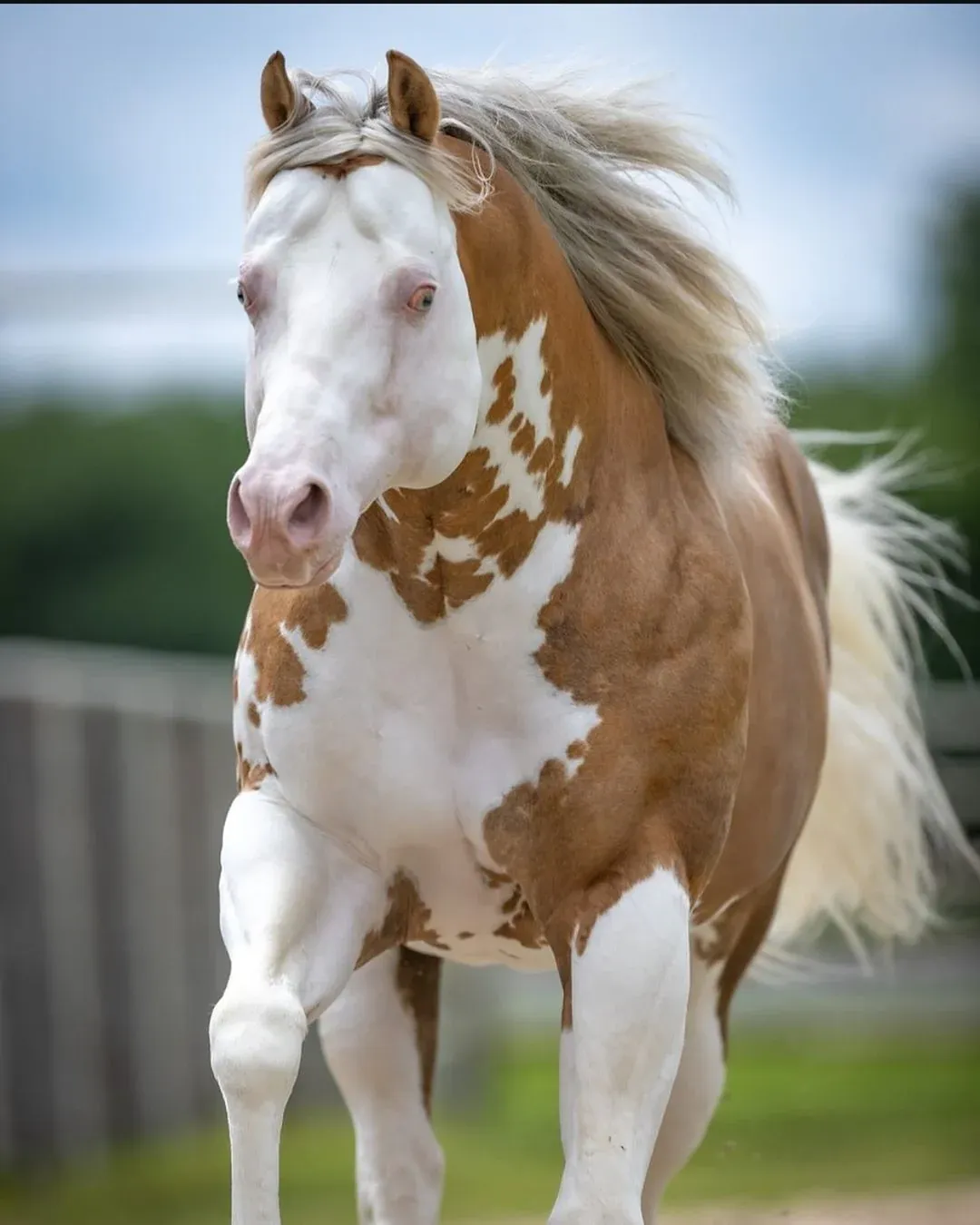 Paint Horse
Paint Horses are distinguished by their striking coat patterns, characterized by large patches of contrasting colors, often black and white. These visually distinctive horses are registered with the American Paint Horse Association (APHA). While their unique patterns might be captivating, it is essential to prioritize the horse’s health. Descended from spotted Thoroughbreds and Quarter Horses, they exhibit both power and a pleasant demeanor. Their varied coat patterns include overo, tobiano, sabino, tovero, frame, and splash. Registered Paint Horses are a reliable option, but unregistered individuals may be available at lower prices. As the second-largest breed registry in the United States after Quarter Horses, it is crucial to verify the parentage of Paint Horses, ensuring at least one parent is registered with either the APHA or the American Quarter Horse Association (AQHA).
5. Appaloosa
 Appaloosa
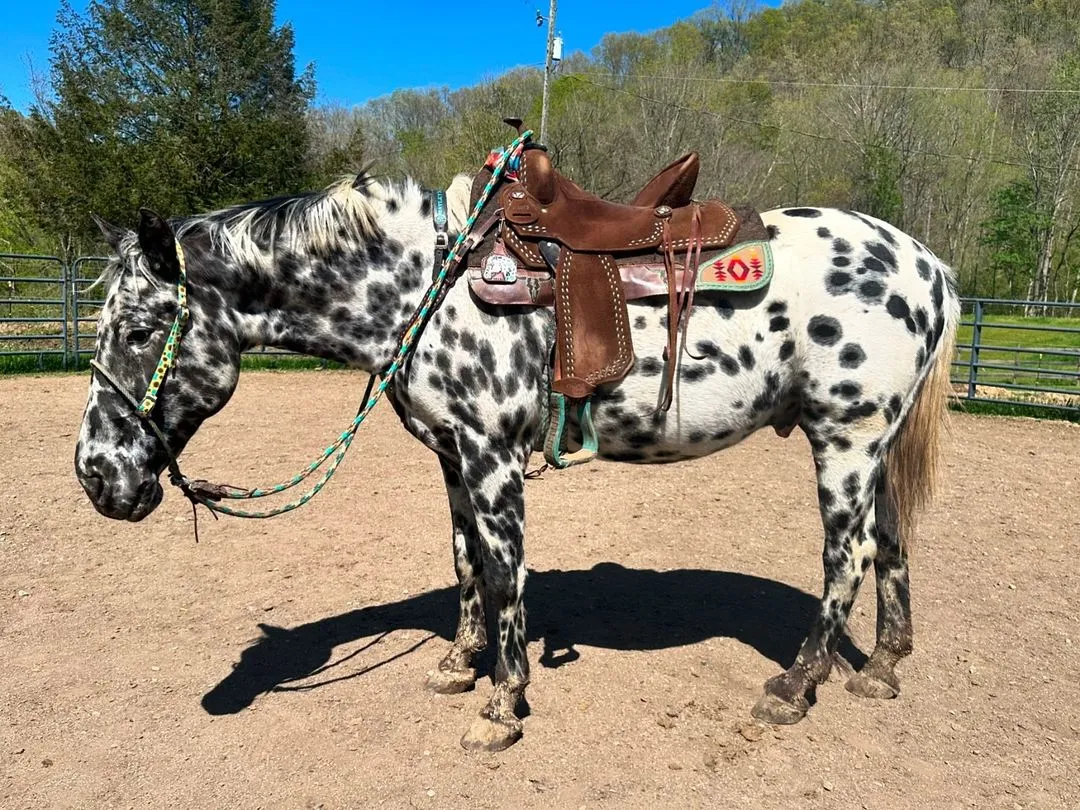
Often likened to “Dalmatian horses” due to their spotted coats, Appaloosas, sometimes crossed with Tennessee Walking Horses to create Walkaloosas, are considered among the more affordable horse breeds. While some find their spotted patterns appealing, others may view them as less conventional, contributing to their lower market value. These horses originate from the Nez Perce Native American culture and can display partial or full spotting with distinct color blocks. Appaloosas are renowned for their friendly, loyal, sturdy, and versatile nature, making them excellent companions, particularly for families with children. Historically, the Nez Perce utilized their horses for hunting and herding, imbuing them with surefootedness and remarkable stamina. Adapted to life in the savannah, they tend to have lower feed requirements compared to some other breeds. Despite being the state horse of Idaho, prevailing negative cultural perceptions can keep their prices subdued.
6. Standardbred
 Standardbred
While Thoroughbreds dominate European racing and Arabians are favored in Asia, Standardbreds hold a prominent position in American racing, particularly in harness racing disciplines like trotting and pacing. Unlike Thoroughbreds, which are bred for pure speed, and Arabians, prized for endurance, Standardbreds are developed for agile and sure-footed movement. Similar to Thoroughbreds, retired Standardbreds can often be found at lower price points. However, their racing careers, which involve significant jumping and springing actions, can lead to a higher incidence of injuries compared to the punishing sprints of Thoroughbreds. Consequently, a seemingly inexpensive Standardbred may incur substantial veterinary expenses due to pre-existing conditions. This often leads many to end up at abattoirs. If you possess the patience and access to affordable veterinary care, a retired Standardbred could still be a viable option.
7. Miniature Horse
 Miniature Horse
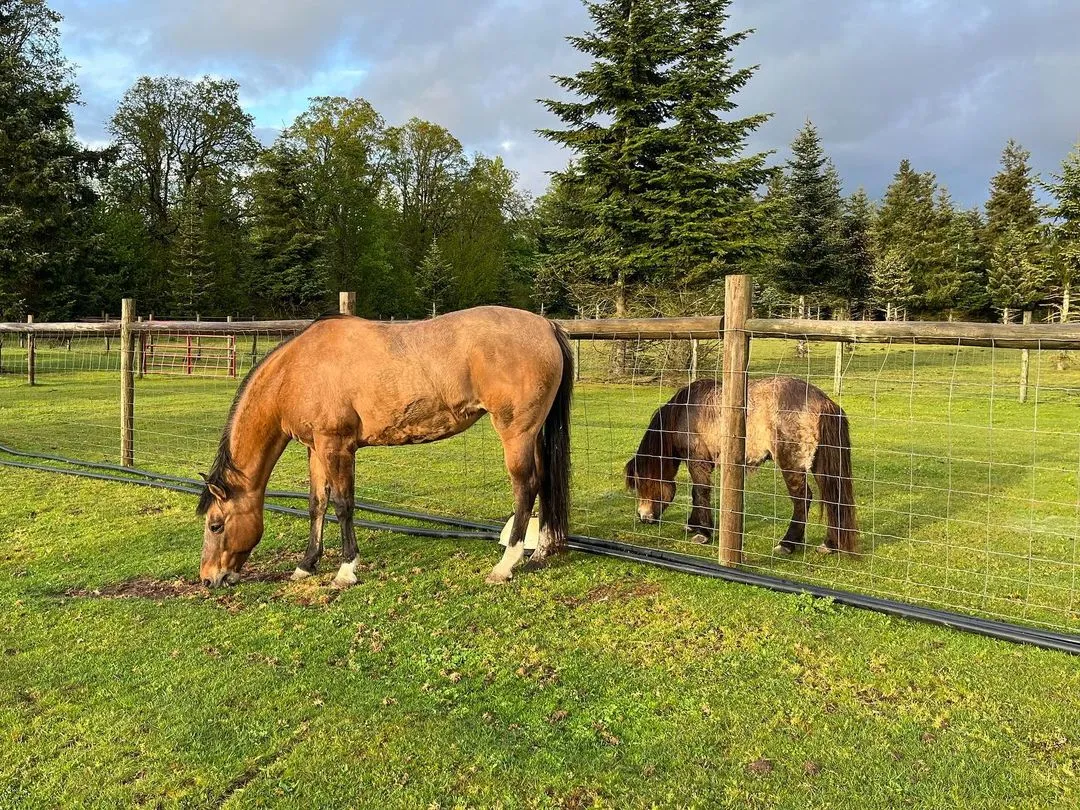
While small packages might seem inherently cheaper, the long-term costs can sometimes exceed initial expectations. Miniature horses, despite their charming diminutive stature, are not always the most practical choice, which contributes to their placement on lists of affordable horse breeds. It’s important to note that they are fully grown horses, not ponies or foals, but rather possess a dwarf-like physique. Their calm and gentle temperament, coupled with their small size, makes them popular choices as “ponies” for children. Their reduced size translates to lower food consumption and smaller space requirements, thus reducing overall maintenance costs. Miniature horses can also serve effectively as emotional support animals and are beneficial in equine therapy programs, often living longer than larger horse breeds. However, children tend to outgrow them quickly, as only very small individuals can comfortably ride them.
8. Thoroughbred
 Thoroughbred
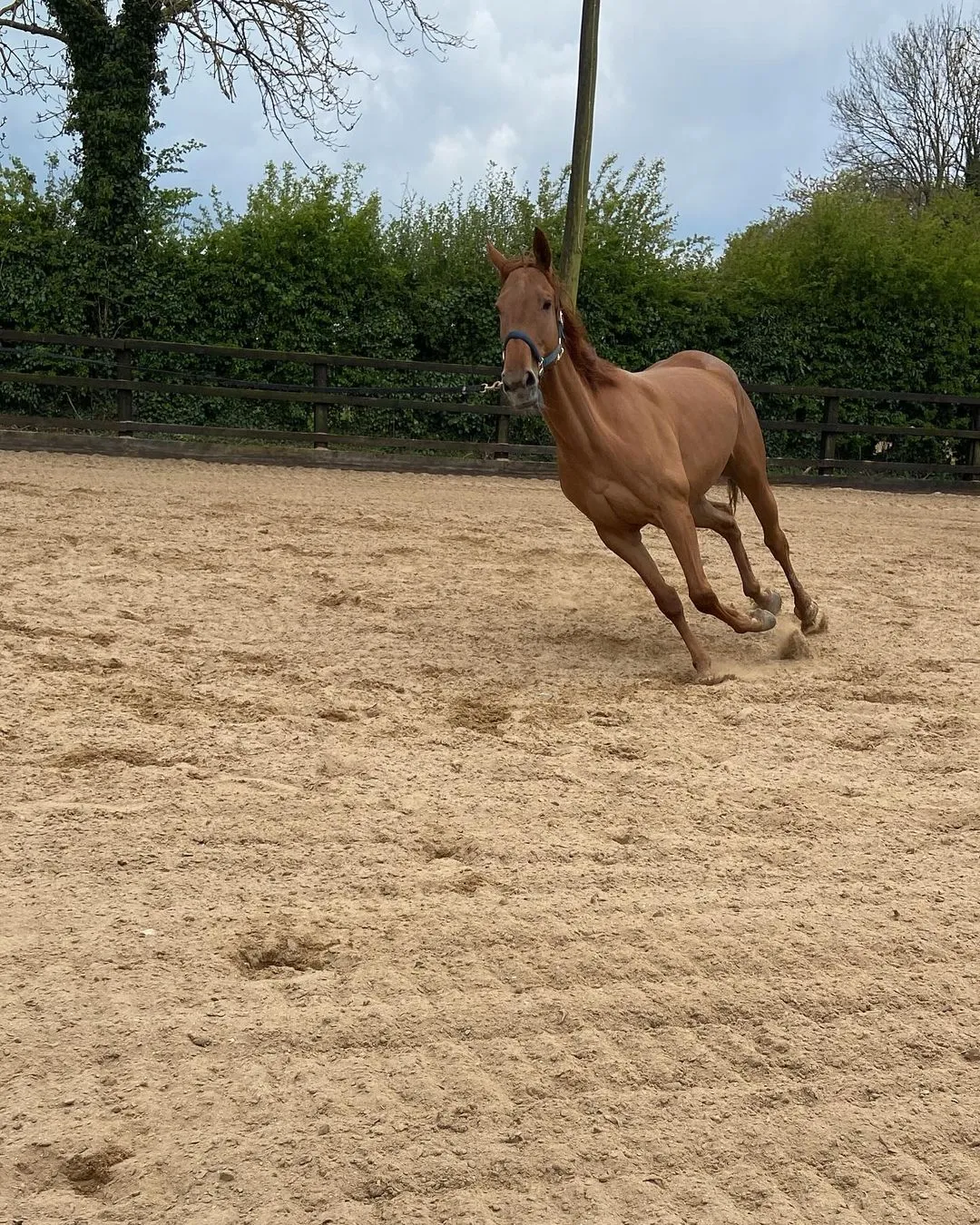
The term “Thoroughbred” specifically refers to a breed of racehorse whose ancestry and genetic makeup have been meticulously cultivated to optimize traits such as speed, endurance, and temperament, crucial for responding precisely to their handlers’ cues. However, the professional racing careers of these horses are typically short, often lasting only a few years. Post-retirement, they are frequently sold for meat or other by-products. Alternatively, they can be acquired for lighter farm work or as companion animals. This secondary market explains why Thoroughbreds, even those with a history of winning numerous races, can be obtained at a considerably reduced price. The suitability of a retired Thoroughbred depends heavily on its intended use, necessitating a thorough assessment of its health and personality. While frail or injured horses represent the lowest price bracket, they may lack the physical capacity for riding and could incur significant veterinary expenses. These retired racehorses are often categorized as OTTB (Off-the-Track Thoroughbreds).
9. Arabian
 Arabian
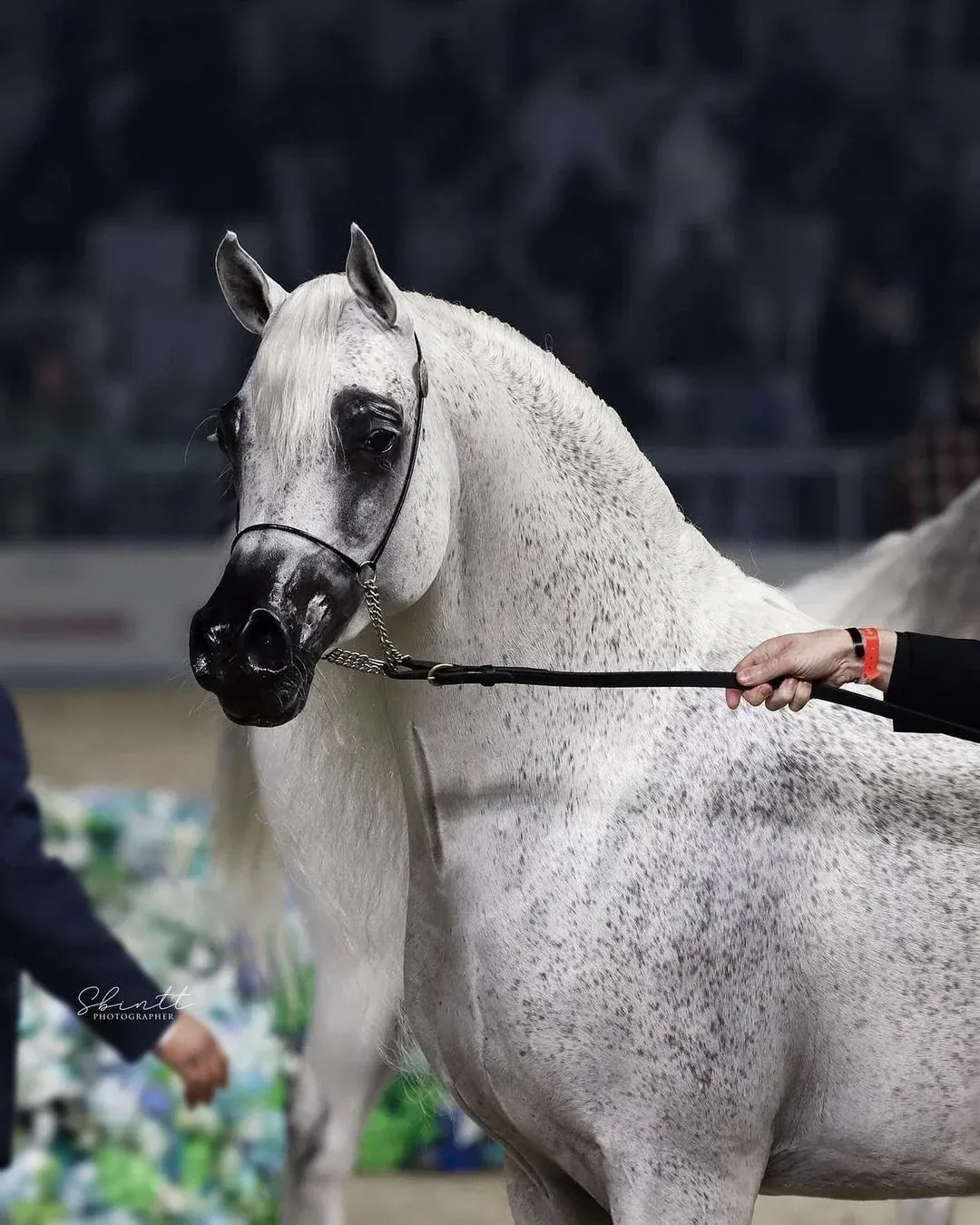
The distinctive high-set, arched tail of the Arabian horse is often associated with the iconic “ponytail” hairstyle. Their refined build and characteristic concave facial profile can contribute to them being more affordably priced. This is partly due to cultural perceptions and partly a psychological effect; their appearance deviates from the archetypal “American horse,” making even mustangs seem conventional in comparison. Bred for racing, Arabian horses possess highly efficient respiratory systems and are famed for their exceptional endurance. Their categorization is based on physical characteristics and genetics rather than specific coat patterns, allowing for a wide array of color variations. Arabians can possess a spirited temperament, requiring an experienced handler.
10. Crossbred
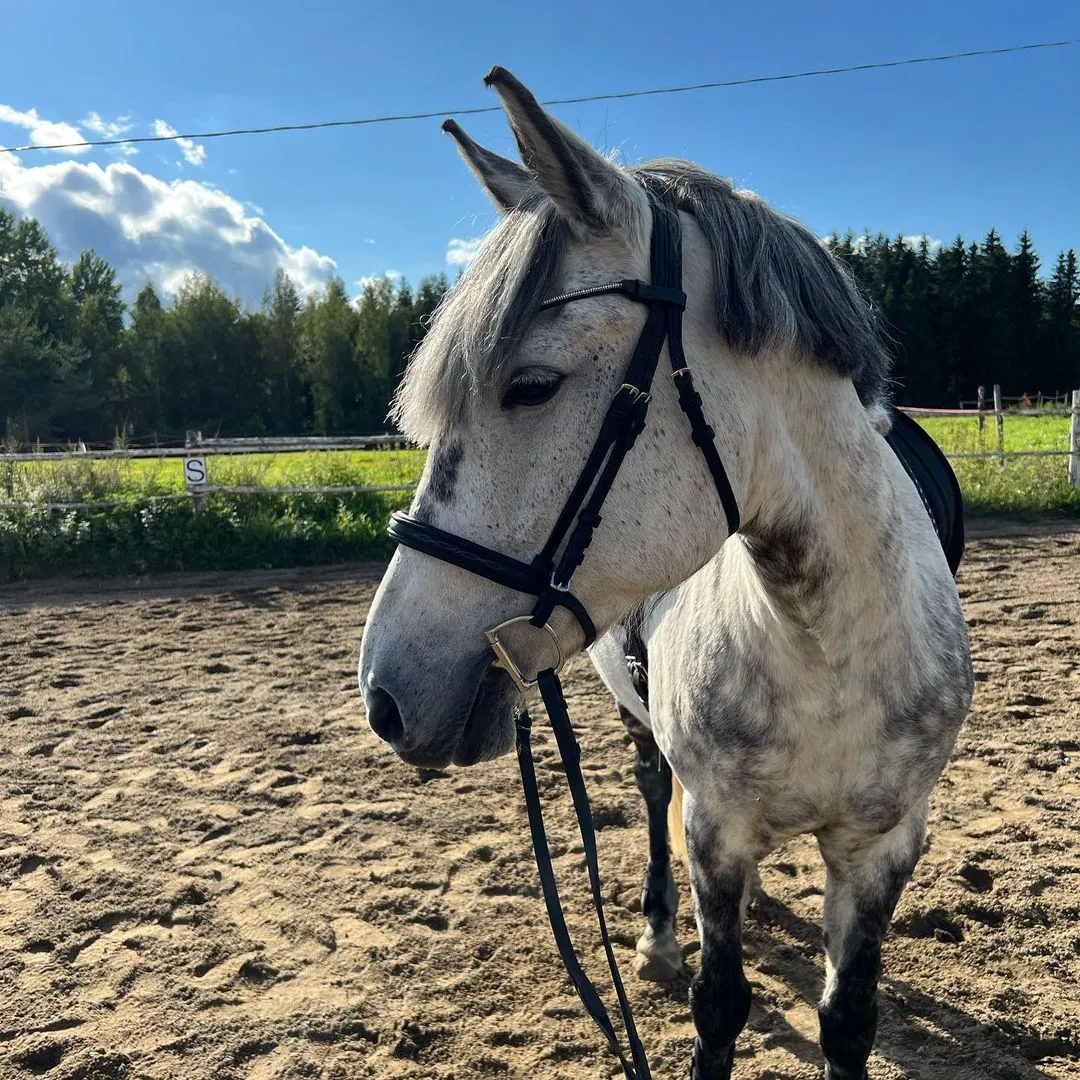
Generally, horses with mixed coat colors tend to be more affordable than those with solid, uniform coloration, which is often considered a premium trait. Consequently, crossbred horses, regardless of whether their ancestry is fully known, can present a more cost-effective option compared to their more uniformly colored counterparts. Crossbreeding may also result in genetic variations that can lower their initial purchase price, even if these traits are not visibly apparent. The horse depicted is a zebroid, a hybrid of a zebra and a horse, illustrating the concept of crossbreeding. Any hybrid equine can fall into this category. Due to the potential for “low-grade” patterns such as roan, mottling, uneven spotting, or striping resulting from crossbreeding, these horses are often a good starting point for budget-conscious buyers. Typically, a crossbred horse is priced lower than a “grade” horse with a solid or block pattern.
11. Grade
 Grade
Grade
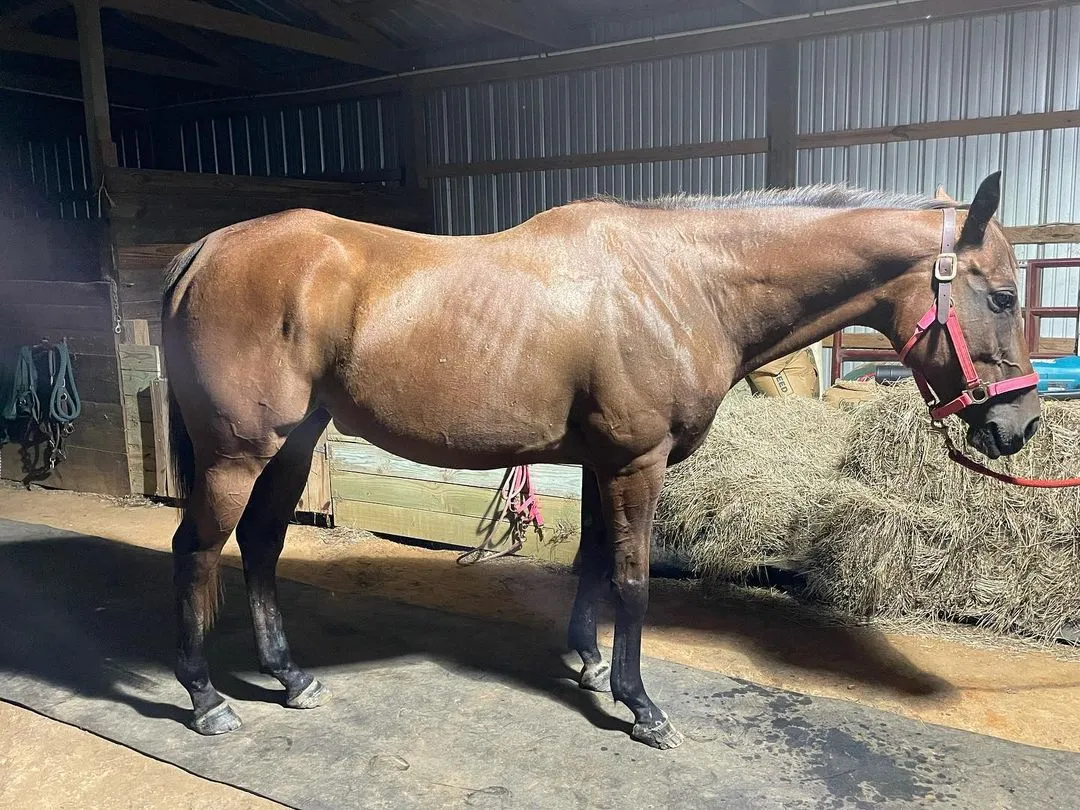
Each year, numerous racehorses are bred, yet not all achieve elite status. Furthermore, some racehorses are not developed with the same meticulous pedigree as typical Thoroughbreds; some simply possess natural speed and are incorporated into the racing circuit without rigorous lineage vetting. Typically, horse breeders maintain detailed records of each foal’s parentage. However, if horses have mated naturally or been inseminated from multiple sires, their ancestry can become untraceable. These horses are classified as “grade” horses and generally command lower prices than purebreds. Horses with unclear lineage are thus among the most affordable breeds. They may exhibit a mix of features and markings that are not conventionally considered aesthetically pleasing. However, these horses, often perceived as “ugly” or “low-quality,” can possess wonderful personalities, and their unique appearance may offer a degree of protection against theft.
12. Gypsy Vanner
 Gypsy Vanner
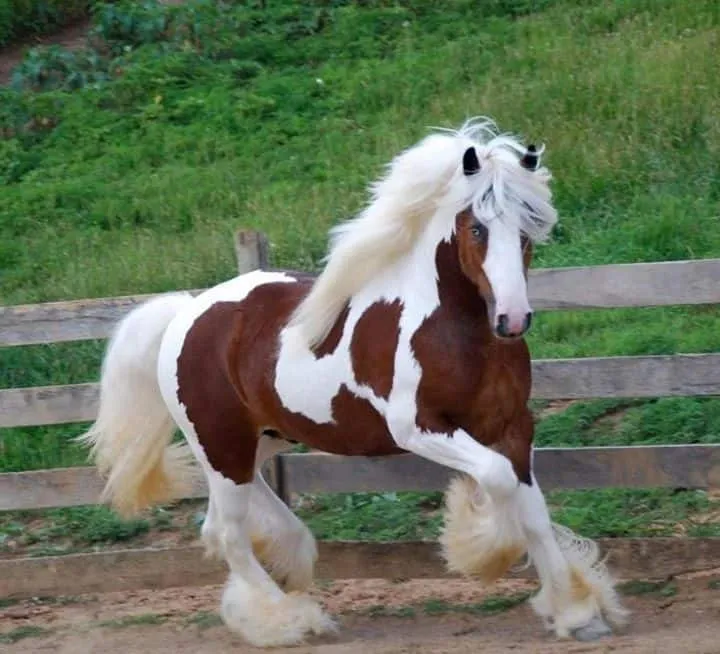
Depending on cultural background, perceptions of Romani people and their lifestyle can vary. However, their culture and fashion are often admired, and their horses are equally striking. The Gypsy Vanner breed earned its name from its historical role in pulling the vardo, or traditional Romani caravan. Originating among the Romani people, these horses tend to be more affordable than meticulously curated breeds. They are characterized by their substantial build, stocky frames, and luxurious manes and abundant feathering on their lower legs. They are predominantly piebald (black and white) or skewbald (brown and white). Tricolored Gypsy Vanners, featuring a dun-and-white coat with a brown-and-white body and black mane, tail, and leg feathering, are also found. Their temperament is known for being calm and steady, a trait developed from living closely with large nomadic families, children, and vibrant music.
13. Tennessee Walking Horse
 Tennessee Walking Horse
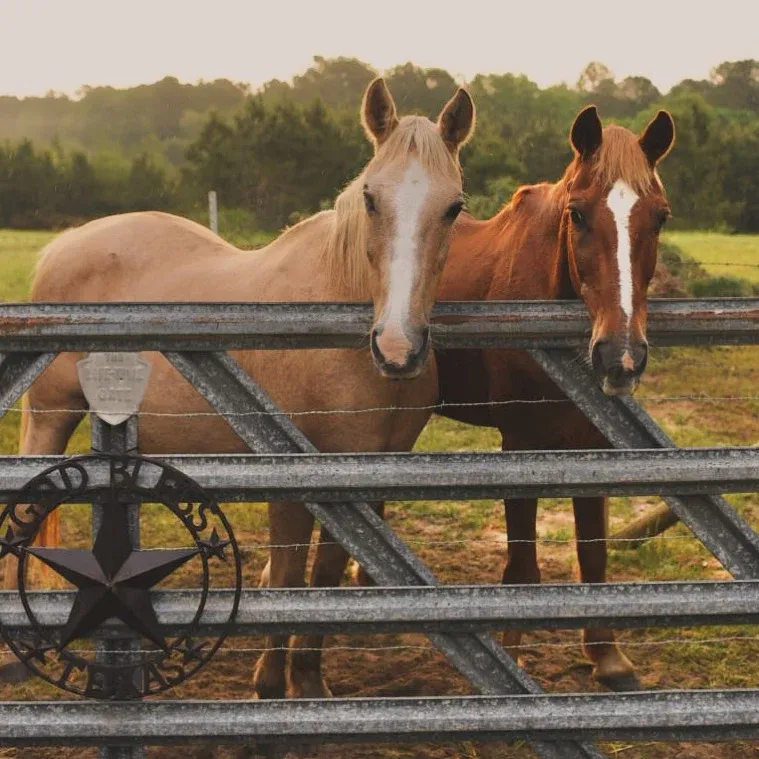
Horses exhibit various natural gaits, including walking, trotting, cantering, and galloping. Additionally, some possess specialized gaits such as pacing and ambling. Horses capable of ambling are referred to as “gaited” horses. The Tennessee Walking Horse is proficient in this gait, and individuals can often be purchased at reasonable prices. Similar to mountain mustangs, they excel at the amble, a four-beat gait that is both captivating to watch and enjoyable to experience. Their suitability for children and teenagers, whether for training or companionship, makes them an attractive option. Retired show horses from this breed can frequently be found at accessible prices through local stables, breeders, and dealers.
What is your top choice for the most affordable horse breed? Share your reasons in the comments below!
