
While cats are known for their fastidious grooming habits, an excessive focus on licking, scratching, or chewing can signal an underlying issue. This compulsive behavior, often referred to as psychogenic alopecia, can lead to skin damage and fur loss, causing distress for both the cat and their owner. Recognizing the signs and understanding the potential causes are the first steps toward helping your feline companion.
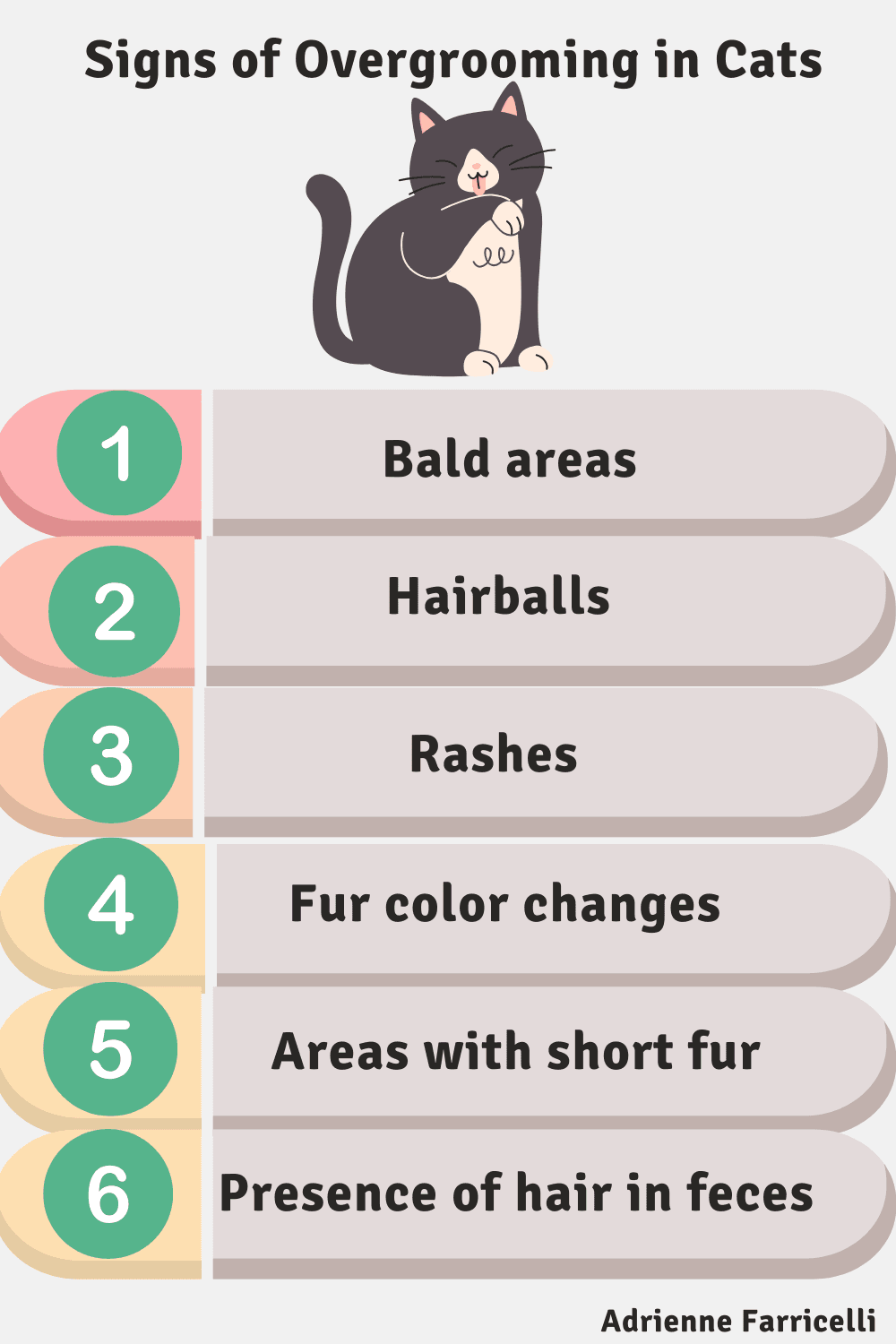
When a cat engages in compulsive self-grooming, you might frequently observe the behavior. However, if you don’t witness it directly, the evidence may appear as patches of missing fur, typically along the back, stomach, or inner thighs. Unlike dogs, cats are less prone to developing hot spots (red, irritated areas) from this behavior, but skin irritation can still occur. This type of compulsive behavior can manifest in any cat but is noted to be more prevalent in certain breeds, such as Siamese and other Oriental types.
It is crucial to consult with a veterinarian to rule out any underlying medical conditions that could be contributing to these behaviors. A proper diagnosis is essential for determining the most effective course of action and ensuring your cat’s well-being.
Potential Causes of Compulsive Scratching, Licking, or Chewing
Several factors can contribute to a cat developing compulsive scratching, licking, or chewing behaviors:
Parasites
Parasites are a common trigger for excessive scratching and licking in cats. Fleas, in particular, are frequent culprits. Due to their thorough grooming, cats may inadvertently remove all visible signs of fleas, making diagnosis difficult. However, obsessive licking of the lower back, sometimes accompanied by scabs on the neck, can be a strong indicator of a flea infestation. Ticks, mites, and ringworm are other parasitic infections that can prompt a cat to scratch, lick, or chew themselves excessively.
Allergies
Similar to humans, cats can develop allergic reactions to various environmental factors. Allergens such as pollen, dust mites, or even certain components in their food can lead to itchy, irritated skin. This discomfort can drive a cat to scratch or lick themselves relentlessly in an attempt to find relief.
Dry Skin
Environmental factors like dry winter air can strip a cat’s skin of its natural moisture, leading to dryness and flakiness. Nutritional deficiencies can also contribute to poor skin health. This dry, itchy skin can initiate a cycle of licking and scratching as the cat seeks to alleviate the discomfort.
Pain or Discomfort
If a cat repeatedly focuses its attention on a specific area of its body by licking or biting, it may indicate localized pain or discomfort. This could stem from an injury, arthritis, or other internal medical issues affecting that particular region. Addressing the source of the pain is paramount to resolving the behavior.
Boredom, Anxiety, or Compulsive Disorder
Psychological factors play a significant role in compulsive behaviors. Cats experiencing boredom, stress, or anxiety may develop excessive grooming habits as a coping mechanism. Indoor cats, in particular, may be more susceptible due to potentially reduced stimulation and exercise compared to their outdoor counterparts. Changes in a cat’s environment, such as the introduction of a new pet or a family member, or a move to a new home, can also trigger stress-related behaviors. Interestingly, behaviors that initially stem from a medical issue can sometimes persist as compulsive habits even after the underlying condition has been resolved.
For more information on understanding and managing your cat’s behavior, you may find resources on kitten keeps biting and scratching helpful. If you’re experiencing a situation where your cat seems angry, exploring reasons behind my cat is angry at me can offer insights. Understanding resource guarding cats is also key to addressing certain behavioral issues. If you’re looking for ways to get cat to stop biting, there are various strategies to explore. Finally, learning about cats biting each other can shed light on inter-feline dynamics.
Conclusion and Recommendations
Compulsive scratching, licking, and chewing in cats are complex behaviors that can stem from a variety of medical and psychological causes. It is essential to work closely with your veterinarian to accurately diagnose the root of the problem. By addressing underlying medical conditions, managing environmental stressors, and potentially employing behavioral modification techniques, you can help your cat overcome these compulsive habits and restore their well-being. Early intervention and a comprehensive approach are key to ensuring a happy and healthy life for your feline companion.
