
Cats, often perceived as aloof and independent, possess a hidden athletic prowess waiting to be unleashed. While they might not be signing up for marathon running anytime soon, engaging in athletic training can profoundly benefit your feline friend’s physical and mental well-being. This isn’t about competitive sports; it’s about channeling their natural instincts into constructive, engaging activities that strengthen their bodies, sharpen their minds, and deepen the bond between you.
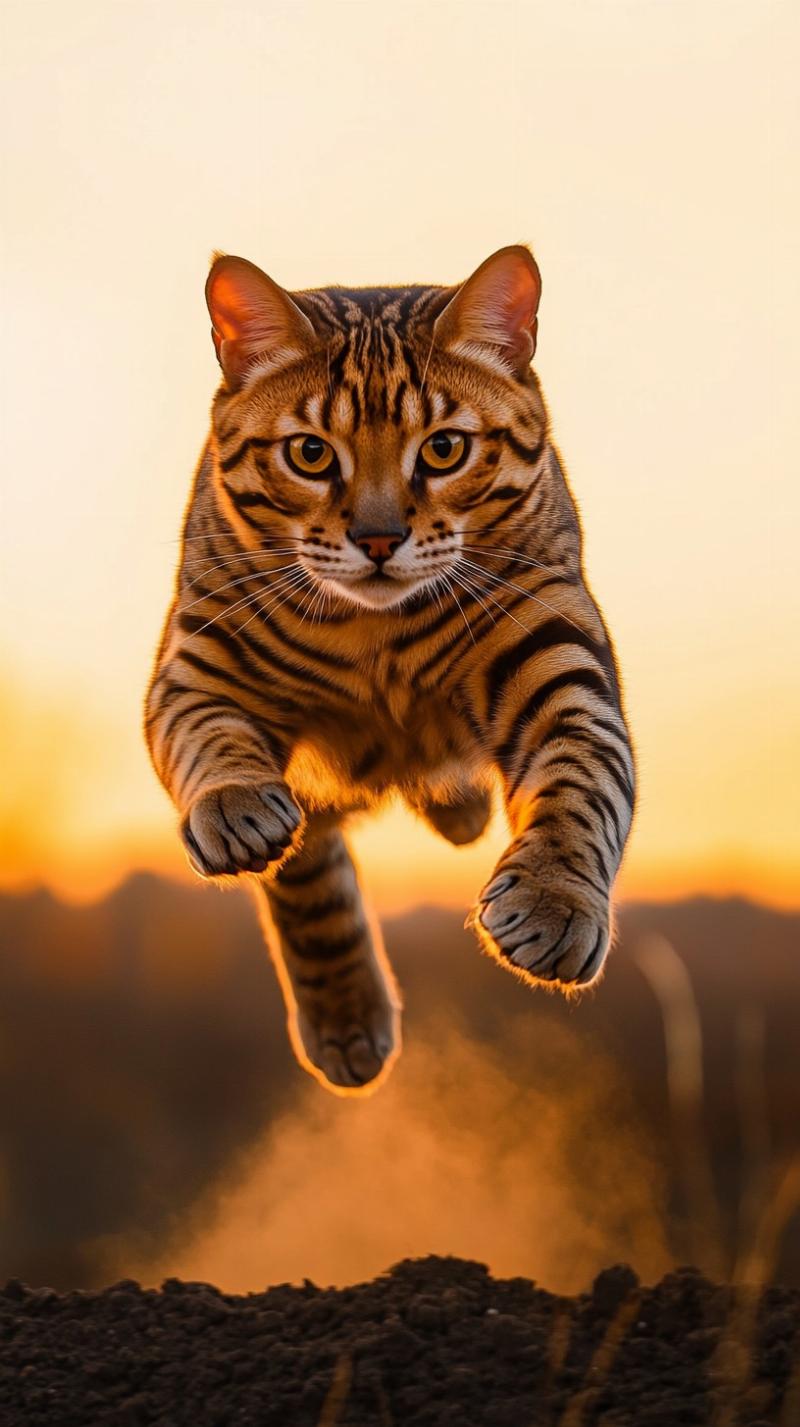 Vibrant cat leaping for a feather toy, showcasing agility and focus, in a sunlit living room.
Understanding Your Cat’s Natural Athleticism
Before diving into training, it’s crucial to understand what makes cats naturally athletic. Their evolutionary history as solitary hunters has endowed them with an incredible combination of speed, agility, balance, and jumping ability. These traits are not just for catching prey; they are fundamental to their overall health and happiness. Instinctive behaviors like stalking, pouncing, climbing, and chasing are all forms of physical activity that keep them in peak condition. When these natural outlets are suppressed, especially in indoor cats, it can lead to boredom, stress, and even health issues like obesity.
Why Athletic Training for Cats Matters
Feline athletic training goes beyond simple play. It’s a structured approach to encouraging movement, problem-solving, and the use of their natural physical skills. The benefits are multifaceted:
- Physical Health: Regular activity helps maintain a healthy weight, strengthens muscles and bones, improves cardiovascular health, and increases overall stamina. This is particularly important for indoor cats who might not get as much natural exercise as their outdoor counterparts.
- Mental Stimulation: Training provides mental challenges that prevent boredom and cognitive decline. Figuring out how to reach a treat, solve a puzzle toy, or master a new trick keeps their minds sharp and engaged.
- Behavioral Improvement: An under-stimulated cat can develop undesirable behaviors such as destructive scratching, excessive vocalization, or aggression. Channeling their energy into training can redirect these behaviors positively.
- Bonding: Training sessions are a fantastic way to interact with your cat, build trust, and strengthen your relationship. It’s a shared activity where both of you can have fun and learn from each other.
Getting Started: Essential Training Principles
The key to successful cat athletic training lies in understanding their unique nature. Cats are not dogs; they respond best to positive reinforcement, patience, and activities that tap into their innate predatory drive.
Positive Reinforcement is Key
Just like with many animal training disciplines, positive reinforcement is the most effective method for training cats. This involves rewarding desired behaviors with something your cat values, such as:
- High-value treats: Small, palatable treats that your cat absolutely loves.
- Praise and affection: Gentle petting, soft words, and a happy tone of voice.
- Playtime: Using their favorite toy as a reward.
Punishment or harsh correction will likely make your cat fearful, stressed, and less likely to engage in training.
Patience and Consistency
Cats learn at their own pace. Some may pick up new skills quickly, while others might need more time and repetition. Short, frequent training sessions (5-10 minutes) are often more effective than longer, infrequent ones. Consistency in your approach and rewards is vital for them to understand what is expected.
Harnessing Natural Instincts
Training should mimic natural behaviors. Activities that involve chasing, pouncing, climbing, and exploring will be most engaging for your cat. Think about what they naturally do in their environment and build upon those actions.
Types of Feline Athletic Training Activities
There’s a wide range of activities you can incorporate into your cat’s routine to keep them physically and mentally active.
1. Agility Training
This involves setting up an obstacle course that challenges your cat’s agility, balance, and jumping skills.
- Obstacles: Use items like tunnels, low jumps (made from cardboard boxes or broomsticks), weave poles (spaced apart bottles or cones), and platforms to climb onto.
- Getting Started: Start with simple obstacles and use a treat or a favorite toy to lure your cat through or over them. Gradually increase the complexity of the course as your cat becomes more confident.
- Focus: The goal is to encourage safe movement and build confidence. Never force your cat to go through an obstacle they are uncomfortable with.
 A curious tabby cat cautiously entering a fabric tunnel as part of a home-made agility course, demonstrating focus and bravery.
2. Puzzle Feeders and Interactive Toys
These tools challenge your cat’s problem-solving skills while dispensing food or treats.
- Types: From simple treat balls that dispense kibble when rolled, to more complex multi-compartment puzzles that require batting, sliding, or lifting parts to access food.
- Benefits: They slow down eating, prevent boredom, and engage their minds and paws in a rewarding activity.
- Progression: Start with easier puzzles and gradually introduce more challenging ones as your cat masters them.
3. Climbing and Vertical Space
Cats love to climb and observe their surroundings from high vantage points. Providing vertical space is crucial for their sense of security and provides an excellent outlet for their climbing instincts.
- Options: Cat trees, wall-mounted shelves, sturdy cat condos, or even just ensuring safe access to high windowsills.
- Training Aspect: You can encourage climbing by placing treats or toys on different levels of a cat tree or by training them to jump between platforms using targets.
4. Targeted Play and Trick Training
Engaging in focused play sessions and teaching simple tricks can be incredibly rewarding.
- Play Styles: Use wand toys to mimic prey, encouraging stalking, chasing, and pouncing. Laser pointers can be fun but ensure you end the session with a tangible reward (like a treat or toy) to avoid frustration.
- Trick Training: Simple tricks like “come,” “sit” (yes, cats can learn to sit on command!), or “high five” can be taught using clicker training and treats. This strengthens the bond and provides excellent mental stimulation.
5. “Hunting” Games with Treat Rewards
Simulate a hunt by hiding treats or small portions of their meal around the house.
- How-to: Start by placing them in obvious spots, then gradually increase the difficulty by hiding them in boxes, under furniture, or in other rooms.
- Benefits: This taps into their natural foraging and hunting instincts, providing a satisfying mental and physical workout.
Incorporating Athletic Training into Daily Life
Making athletic training a regular part of your cat’s life doesn’t require a huge time commitment. The key is integration and consistency.
- Morning/Evening Rituals: Dedicate 5-10 minutes each day, perhaps before their meals, for a play or training session.
- Interactive Play Breaks: During your workday or downtime, engage them with a wand toy for a few minutes.
- Environmental Enrichment: Ensure their living space is stimulating with climbing opportunities, puzzle toys, and safe hiding spots.
- Observe and Adapt: Pay attention to what your cat enjoys most. If they love chasing, focus on those types of activities. If they prefer puzzle-solving, provide more of those challenges.
Common Challenges and How to Overcome Them
- Lack of Interest: If your cat seems uninterested, try different types of toys, treats, or training times. Some cats are more motivated by play, others by food. Ensure the environment is calm and free from distractions.
- Fear or Anxiety: Never force your cat into a situation that makes them anxious. Introduce new activities gradually and always pair them with positive reinforcement. If they show signs of stress (hissing, flattened ears, tail flicking), stop the session and try again later with something simpler.
- Short Attention Spans: Keep sessions brief and engaging. End on a positive note while your cat is still interested, rather than pushing them until they lose focus.
Expert Insights on Feline Fitness
Dr. Anya Sharma, a renowned feline behaviorist, emphasizes, “The athletic capabilities of cats are often underestimated. Providing outlets for these natural behaviors isn’t just about preventing a bored cat; it’s about supporting their holistic health. A physically active and mentally stimulated cat is a happier, healthier, and more well-adjusted companion.” She adds, “The bond forged during training sessions is invaluable, creating a deeper level of trust and understanding between owner and pet.”
Conclusion: A Happier, Healthier Feline Life
Engaging your cat in athletic training is a rewarding endeavor that offers a wealth of benefits. By understanding their natural instincts and employing positive, patient methods, you can help your feline companion lead a more active, engaged, and fulfilling life. From simple play sessions to more structured agility challenges, every effort you make contributes to their physical health, mental acuity, and the unique, unbreakable bond you share. So, let’s unleash their inner athlete and watch them thrive!
