
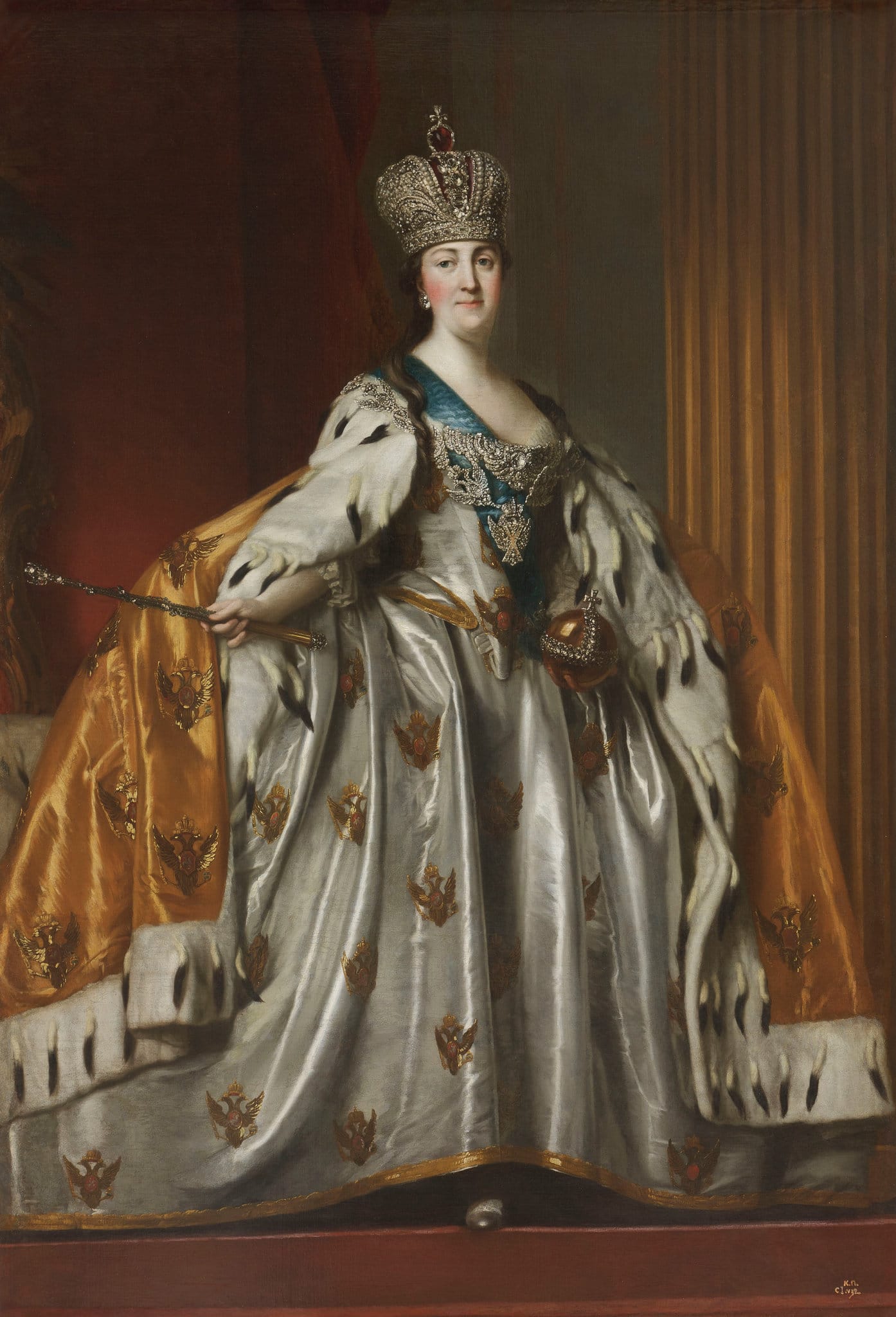
Catherine the Great, a name synonymous with power, expansion, and enlightenment in 18th-century Russia, is often surrounded by tales that blur the lines between historical fact and enduring legend. Among the most persistent and salacious of these is the story of her death, often depicted as being the result of a rather unusual and intimate encounter with a horse. This sensational narrative, however, stands in stark contrast to the historical accounts and has largely been debunked by modern scholarship. But where did this enduring myth come from, and why does it continue to capture the public imagination? Understanding the “Catherine The Great Horse Story” requires looking beyond the salacious details and examining the political climate, the nature of historical gossip, and the enduring fascination with powerful female rulers.
The myth of Catherine the Great’s demise, in which she allegedly died while engaged in sexual activity with a horse, is a persistent element in popular culture and historical retellings. This sensational tale paints a lurid and arguably demeaning picture of one of Russia’s most significant empresses. However, it is crucial to distinguish between legend and documented history.
The Genesis of a Salacious Myth
The origins of the horse story are murky, but they likely stem from a combination of factors. Firstly, Catherine the Great was a powerful female monarch in an era when such figures were often subject to intense scrutiny and often, to scandalous rumors. Her rise to power, involving the overthrow of her husband, Peter III, was itself controversial and created fertile ground for detractors to spread malicious gossip.
Furthermore, Catherine was known to have had several lovers throughout her reign. While her personal life was certainly more colorful than that of many of her predecessors or contemporaries, the details of her relationships were often exaggerated and distorted by her political enemies and later by sensationalist writers. The horse story, in this context, can be seen as an extreme amplification of existing gossip, designed to shock and discredit her, even posthumously.
Political Intrigue and Character Assassination
Throughout history, powerful women, particularly those who wield significant political power, have been targets of gendered attacks and character assassination. Catherine the Great was no exception. Her intelligence, ambition, and effectiveness as a ruler were undeniable, but these very qualities often engendered resentment and fear. The horse story, by focusing on a grotesque and degrading alleged cause of death, served as a form of posthumous punishment, aiming to strip her of her dignity and reduce her to a caricature. This tactic is not unique to Catherine; similar attempts to tarnish the reputations of powerful women can be found throughout history.
Historical Accounts vs. The Legend
The historical record, as documented by contemporary biographers and later historians, presents a very different picture of Catherine the Great’s final moments. She died on November 17, 1796, not in a bizarre and sordid act, but reportedly from a stroke. Accounts from her physicians and ladies-in-waiting describe her collapsing after suffering a seizure. There is no credible evidence from contemporary sources to support the claims of her death involving an animal.
The most thorough historical analyses, such as those by prominent historians like Isabel de Madariaga and Virginia Rounding, meticulously debunk this myth. They highlight the lack of any corroborating evidence and point to the story’s likely origins in the propaganda and gossip that circulated during and after her reign. The persistence of the myth, therefore, is more a testament to the power of enduring, sensational narratives than to any factual basis.
Debunking the Myth: Expert Opinions
Historians who have dedicated their careers to studying Catherine the Great consistently dismiss the horse story as pure fabrication. They attribute its survival to a fascination with the scandalous and a tendency to believe sensational tales, especially when they involve figures of historical significance. The story likely gained traction in the 19th century, a period that saw a rise in sensationalist literature and a particular interest in the alleged excesses of royalty.
Why Does the Myth Endure?
The enduring appeal of the “Catherine the Great horse story” lies in its shock value and its ability to tap into certain societal tropes. The image of a powerful empress meeting such a bizarre end is inherently compelling, even if it is untrue. It plays into the archetype of the decadent, morally corrupt ruler, a narrative that has long been popular in storytelling.
Moreover, for some, the myth might serve as a way to “democratize” a powerful historical figure, reducing her to something grotesque and, in a strange way, relatable in her alleged downfall. It’s a story that is far more sensational than a simple stroke, and sensationalism often trumps accuracy in popular memory.
The Role of Popular Culture
The myth has been perpetuated through various forms of popular culture, including books, films, and even jokes. These retellings, often prioritizing entertainment value over historical accuracy, have cemented the story in the public consciousness, making it difficult for factual accounts to gain equal traction. The visual and narrative power of such a shocking tale makes it easy to remember and retell.
Conclusion: Separating Fact from Fiction
While the “Catherine the Great horse story” makes for a salacious and memorable anecdote, it is essential to approach it with a critical eye. The historical evidence overwhelmingly points to a natural death from a stroke. The myth, a product of political intrigue, gendered attacks, and the enduring human fascination with the scandalous, serves as a cautionary tale about how legends can overshadow facts, especially when they involve powerful figures and deeply ingrained societal biases. By understanding the context and the lack of evidence, we can appreciate Catherine the Great for her actual historical significance rather than through the lens of a lurid and unfounded myth. Her true story, one of a brilliant and formidable ruler who shaped the destiny of an empire, is far more compelling than any fabricated tale of her demise.
