
Of all the whispers that haunt the corridors of history, few are as bizarre or persistent as the Catherine The Great And Horse Story. This notorious rumor has clung to the legacy of one of Russia’s most formidable rulers for centuries, often overshadowing her incredible achievements. It’s a piece of gossip so scandalous that it demands investigation. But what happens when we pull back the curtain on this shocking tale? We find a story not of perversion, but of political assassination by slander, a weapon wielded with vicious precision against a powerful woman who dared to dominate a man’s world. This is the real story of how a lie was crafted to defame an empress.
The tale is a masterclass in character assassination. While the details vary in the retelling, the core of the slander remains the same: that Empress Catherine II of Russia died while attempting to engage in a sexual act with a stallion. It’s a grotesque and shocking image, designed to provoke disgust and ridicule. According to the myth, the harness system used in the alleged act broke, crushing the empress under the animal’s weight. This fabricated narrative has been remarkably resilient, passed down through generations as a dark and dirty secret of the Russian court. However, when placed under the slightest historical scrutiny, this elaborate fiction completely falls apart.
Debunking the Myth: Fact vs. Vicious Fiction
The truth of Catherine the Great’s death is far more mundane and medically sound than the scandalous rumor suggests. On the morning of November 16, 1796, the 67-year-old empress suffered a severe stroke in her private chambers at the Winter Palace. She was discovered by her valet, conscious but unable to speak, and was moved to her bed, where she fell into a coma. Despite the efforts of her physicians, she never regained consciousness and passed away the following evening.
Here are the key facts that dismantle the myth:
- Official Cause of Death: Historical records, including the accounts of her personal staff and court physicians, are unanimous. The cause of death was a stroke. There is not a single credible contemporary source—no diary, no official report, no letter—that mentions a horse or any other animal being involved in her death.
- The Witnesses: Her final hours were documented by those closest to her, including her valet, maids, and doctors. Their accounts are consistent and provide a clear, albeit sad, picture of a natural death.
- Medical and Physical Impossibility: The mechanics of the rumor are logistically absurd. The scenario described is not only physically impossible but ignores the basic realities of anatomy and engineering, especially with 18th-century technology. It was a fabrication designed by people who likely knew it was unbelievable but counted on it being too shocking for others to question.
“Political slander in the 18th century was a brutal art form,” explains Dr. Alistair Finch, a historian specializing in European monarchies. “For female rulers like Catherine, the attacks were almost always sexual in nature. The goal wasn’t to be believable; it was to be memorable and damaging. The horse story is the ultimate example—a lie so outrageous it became immortal.”
Where Did the Slander Originate?
If the story is a complete fabrication, who created it and why? The answer lies in the deeply misogynistic and politically charged atmosphere of 18th-century Europe. Catherine, a German princess who usurped the Russian throne from her unpopular husband, was a figure of immense power and controversy. She was an intellectual, a reformer, and a brilliant military strategist who expanded the Russian Empire significantly. Her enemies, both domestic and foreign, were numerous and eager to undermine her authority.
The primary culprits behind the slander were likely French and Polish rivals. The French court, hostile to Russia’s growing influence, circulated numerous defamatory pamphlets and cartoons against her. They sought to portray her as a depraved, sexually insatiable tyrant, a caricature that would weaken her standing on the international stage. Her estranged son and heir, Paul I, who despised his mother, also did little to quell the rumors after her death, as they served his purpose of tarnishing her reign to legitimize his own. The world of royal courts was rife with intrigue and quiet betrayal, a landscape more akin to a slow horses story than a battlefield. The rumor was a strategic tool, a piece of propaganda designed to turn a powerful empress into a vulgar joke.
Catherine the Great’s True Equestrian Passion
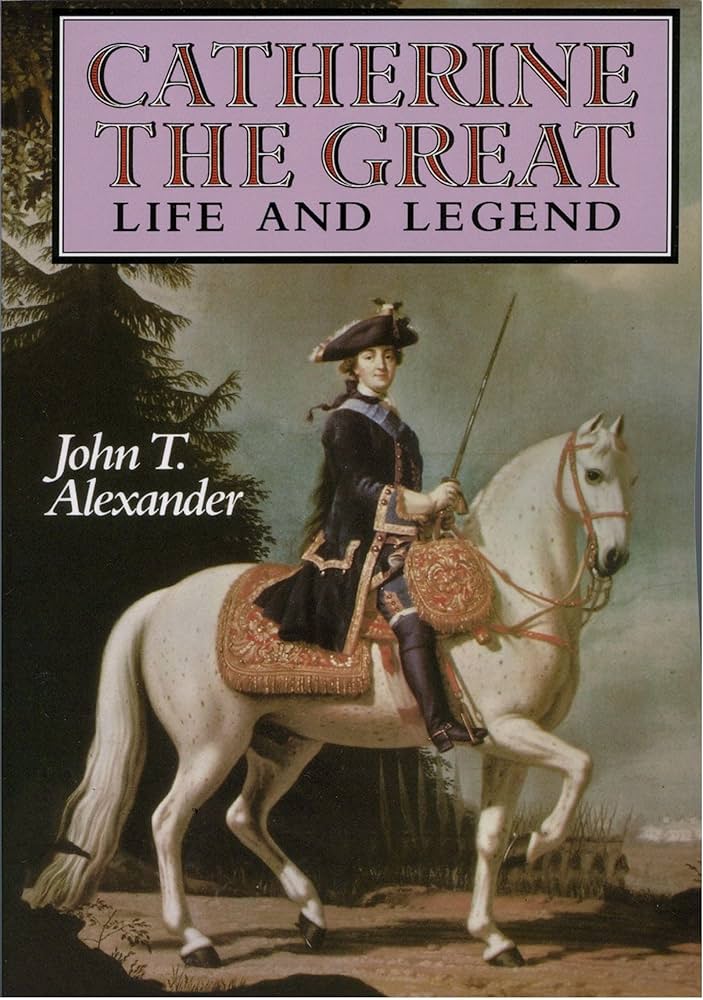
The most bitter irony of this slander is that it perverted Catherine’s genuine and lifelong love for horses. Far from being an object of depraved fantasy, horses were a source of joy, strength, and political symbolism for the empress. She was an accomplished horsewoman, known for her excellent riding skills. She preferred to ride astride like a man, which was unconventional for women of her time and a symbol of her rejection of traditional gender roles.
Catherine’s stables were legendary, housing thousands of the finest horses from across Europe and Asia. She saw them not just as animals but as symbols of imperial power and majesty. She frequently commissioned grand equestrian portraits of herself, depicting her as a military leader and a powerful sovereign.
Her most cherished horse was a magnificent white stallion named Brilliant. He was her favorite mount for parades and state occasions. The bond between Catherine and Brilliant was one of affection and respect, a relationship that mirrors the timeless connection between humans and horses often celebrated in story books about horses. To twist this genuine passion into a grotesque lie was the final, posthumous act of cruelty from her enemies.
Beyond the Rumors: The Real Legacy of an Empress
Focusing on the slander does a disservice to Catherine’s monumental reign, which is now known as the Golden Age of the Russian Empire. She was a ruler of formidable intellect and ambition who transformed Russia into a global power.
Her key achievements include:
- Expansion of the Empire: Through successful military campaigns and shrewd diplomacy, she expanded Russia’s borders to the south and west, incorporating vast territories including Crimea and much of Poland.
- Patronage of the Arts and Sciences: An enlightened monarch, she corresponded with Voltaire and other great thinkers of the era. She founded the Hermitage Museum, one of the world’s greatest art collections, and promoted education and literature throughout her empire.
- Legal Reforms: While her attempts to establish a new legal code were not fully realized, she began the process of modernizing Russia’s archaic laws and administration.
Catherine the Great was a complex and often ruthless leader, but she was also a brilliant and transformative one. Her legacy is that of a nation-builder, a patron of culture, and one of the most successful female monarchs in history. The persistent horse story serves only to distract from the reality of her power and influence.
Frequently Asked Questions (FAQ)
How did Catherine the Great really die?
Catherine the Great died from a massive stroke on November 17, 1796, at the age of 67. She was found in her private chambers after collapsing and fell into a coma from which she never recovered. All credible historical accounts confirm this as the cause of death.
Why was the Catherine the Great and horse story created?
The story was created as political slander by her enemies. The French court, in particular, sought to undermine her authority by portraying her as sexually depraved and monstrous. This misogynistic tactic was used to ridicule a powerful female ruler who challenged the male-dominated power structures of Europe.
Are there any historical sources that support the rumor?
No. There are zero credible contemporary sources—no official records, diaries, letters, or eyewitness accounts—that support the story. It is considered a complete fabrication by all reputable historians. The tale only began to spread widely after her death.
Was Catherine the Great a good horse rider?
Yes, Catherine was an excellent and enthusiastic equestrian. She was known for her superb riding skills and her preference for riding astride, which was unusual for women at the time. Horses were a significant part of her life and public image.
What was Catherine the Great’s most famous horse?
Her favorite and most famous horse was a white stallion named Brilliant. He was her preferred mount for official events and military reviews, and he features prominently in some of her most famous equestrian portraits.
Conclusion: Reclaiming a Legacy
The endurance of the Catherine the Great and horse story is a testament to the power of a vicious lie, especially one aimed at a powerful woman. It is a piece of historical gossip that has been allowed to masquerade as fact for far too long. By understanding its origins as a tool of political and misogynistic slander, we can finally put it to rest. The true story is not one of scandal, but of a brilliant empress who loved horses, led an empire, and was so formidable that her enemies had to resort to the most outrageous fictions to try and tear her down. We owe it to history to remember Catherine the Great for her throne, not for a stable fable.
