
Meowing at the door is a common feline behavior, often stemming from a cat’s natural curiosity and desire to communicate. Understanding the reasons behind this vocalization is the first step to effectively managing it. This guide, drawing from expert insights, offers practical strategies to help curb excessive door meowing and foster a more peaceful home environment for both you and your feline companion.
Understanding Why Cats Meow at Doors
Adult cats primarily meow to communicate with humans, not with each other. When your cat persistently meows at a door, they are likely trying to convey a specific want or need. This vocalization often stems from their innate curiosity and desire to explore the world beyond the immediate surroundings. They might be seeking attention, signaling hunger, or expressing boredom. Recognizing these underlying motivations is key to addressing the behavior constructively.
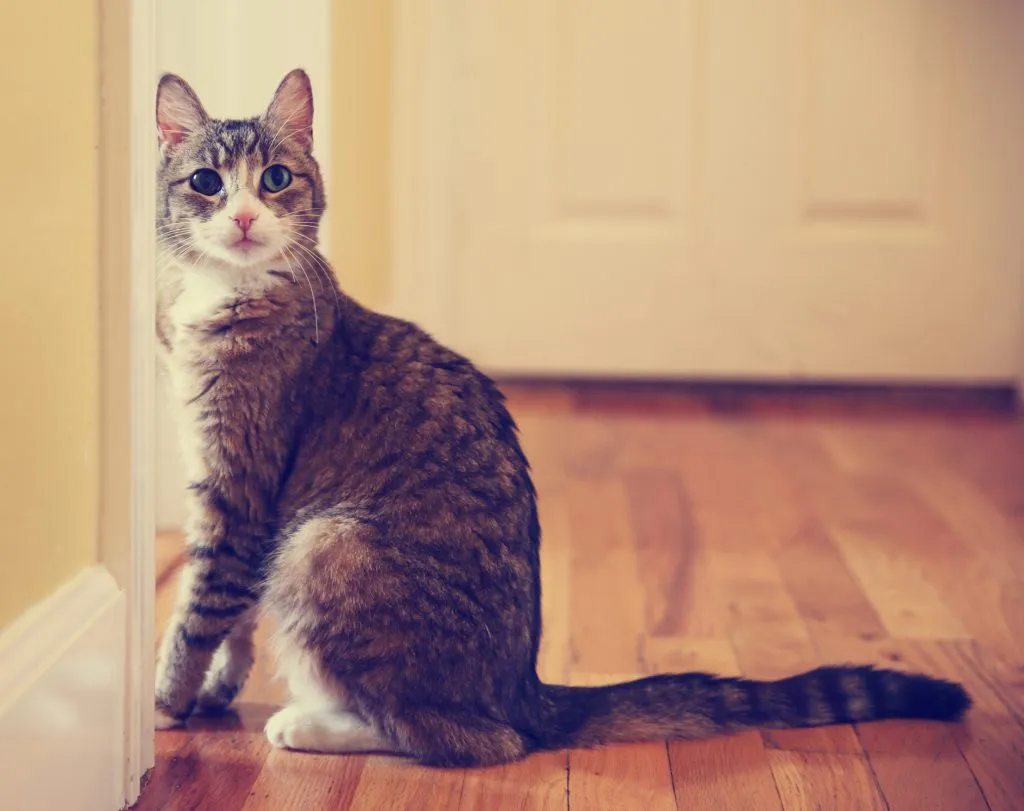 A cute small cat or kitten looking at the camera, sitting on the floor in front of a door.
Cats use meowing as a distinct form of communication directed at people. Understanding this helps in interpreting their needs when they vocalize at doors.
Four Steps to Stop Door Meowing
If your cat’s meowing at doors becomes persistent, several effective strategies can help manage this behavior. It’s crucial to approach this with patience and consistency.
Step 1: Avoid Negative Reactions
When faced with persistent meowing, it’s natural to feel frustrated. However, reacting with shouts, claps, or physically moving your cat away can be counterproductive. Such negative responses can instill fear in your cat and damage your bond, without addressing the root cause of the meowing. Instead of teaching them to stop the behavior, it might simply make them associate you with unpleasantness. A more effective approach involves understanding and redirecting their energy and communication.
Step 2: Employ Distraction Techniques
A highly effective method to redirect your cat’s attention is through play and distraction. Engaging your cat with a favorite toy, such as a wand toy, can divert their focus from the door. Initiate playtime proactively, especially if you notice them heading towards the door. This is particularly important for younger cats with abundant energy. Interactive play sessions help them expend energy that they might otherwise direct towards meowing. For pesky nighttime meowing, consider starting these energetic play sessions earlier in the evening. Indoor cats, in particular, require regular interactive play to simulate hunting behaviors and use up their energy.
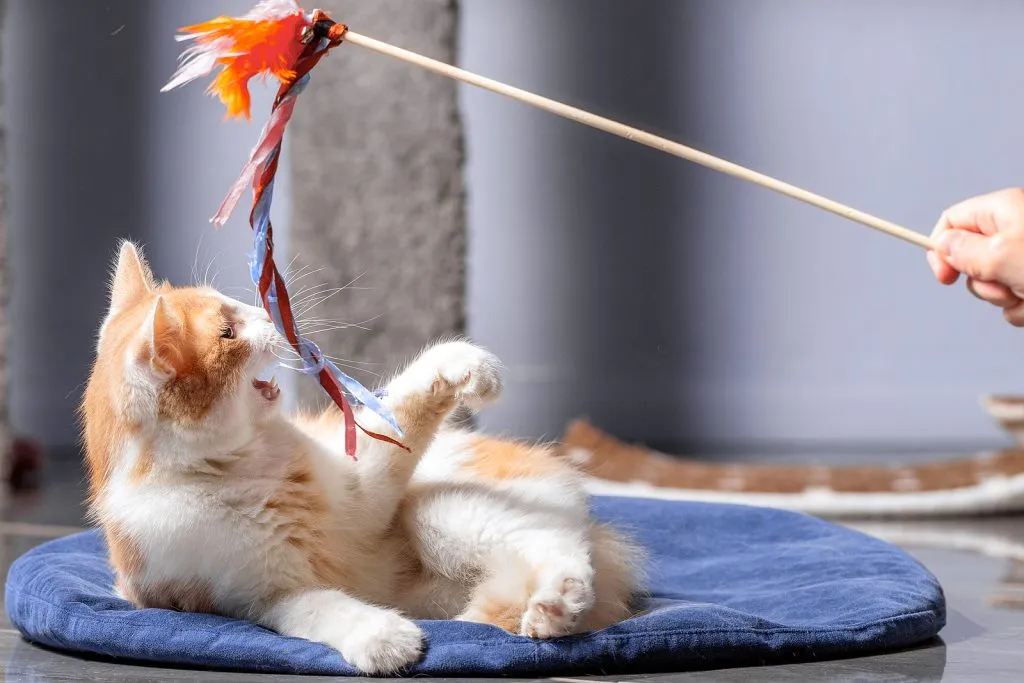 A fluffy red and white cat is lying on the mat and playing with a toy on a stick. Indoor cat, close-up, blurred background
Proactively distracting your cat with a toy when they approach the door can prevent meowing before it starts.
Step 3: Create a Cat Patio (“Catio”)
For cats who are strongly motivated to explore the outdoors, consider creating a safe outdoor space, commonly known as a “catio.” This can be achieved by enclosing a balcony or patio area with screening materials. Ready-made kits are also available. Enhance this space with features like a running water drinking fountain, climbing structures, and cat grass. A catio allows your cat to experience the sights and sounds of the outdoors safely, fulfilling their natural instincts without the risks associated with unsupervised outdoor access. This can significantly reduce their desire to meow at doors seeking exit.
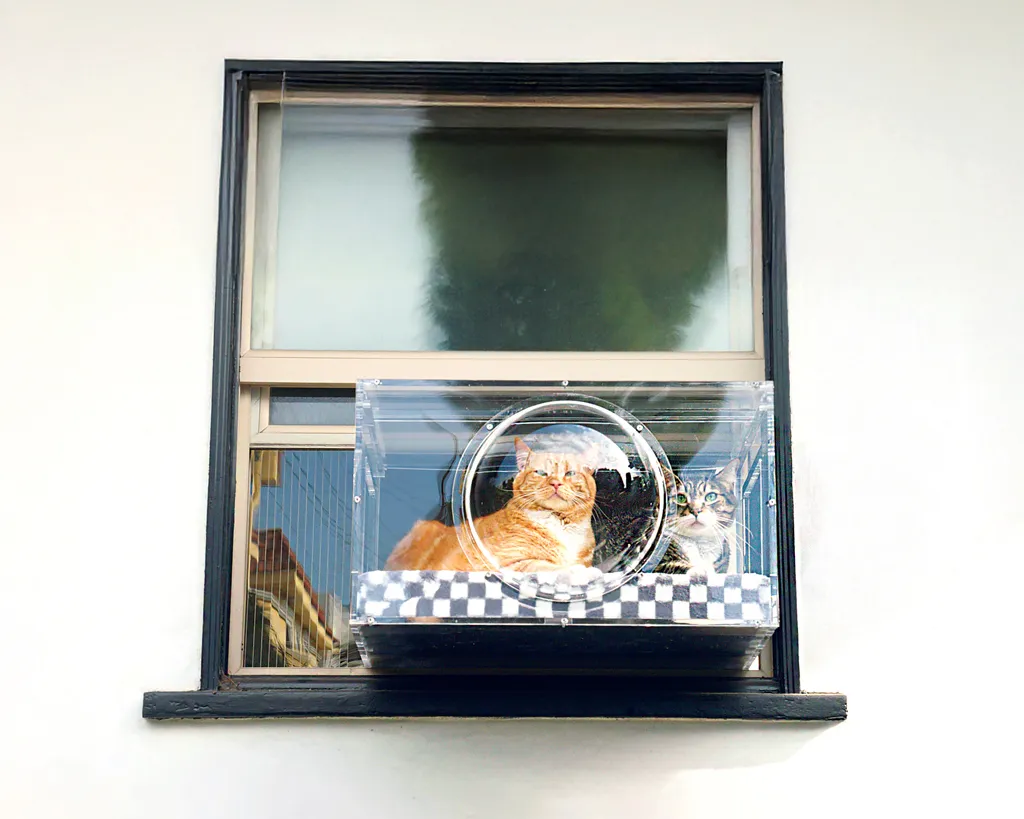 The Purrgola cat enclosure
A “catio” provides a secure outdoor environment, satisfying a cat’s need for exploration and sensory stimulation.
Step 4: Use Motion-Activated Air Sprays (Last Resort)
As a final measure, motion-activated air cans can be employed. These devices emit a short, harmless burst of air when motion is detected, startling the cat and deterring them from the area. Over time, the cat may associate the location with the unpleasant air burst and avoid it. However, this method is considered a negative reinforcement technique. It doesn’t address the underlying reasons for the meowing and should only be used if other, more positive methods have not been successful, especially if the cat is not easily distracted during playtime.
What NOT to Do
It is crucial to reiterate that responding negatively to your cat’s meowing, such as by shouting or clapping, is ineffective and can harm your relationship with your pet. Such reactions do not solve the problem and can lead to fear and anxiety.
Helping Your Cat Accept Closed Doors
Encouraging your cat to be comfortable with closed doors involves a strategy centered on positive reinforcement and gradual desensitization.
Positive Reinforcement and Desensitization
When you need to close a door, immediately engage your cat with a favorite toy or a quick play session to redirect their attention. Start by closing doors for very short durations, rewarding your cat with treats or praise for calm behavior. Gradually increase the time the door remains closed as your cat shows increasing comfort. Associate door closing with positive experiences; for instance, offer a treat immediately after closing the door. It is vital to avoid any form of punishment, as this can exacerbate anxiety and worsen the meowing behavior.
Environmental Enrichment and Comfort
Ensure your home provides a stimulating and comfortable environment for your cat. Designate “cat zones” where they can feel secure. Comfortable resting spots, scratching posts, and a variety of engaging toys are essential. Regularly rotate toys to maintain your cat’s interest and prevent boredom. If feasible, installing a cat door can grant your cat independent access to different areas, reducing their reliance on you to open doors.
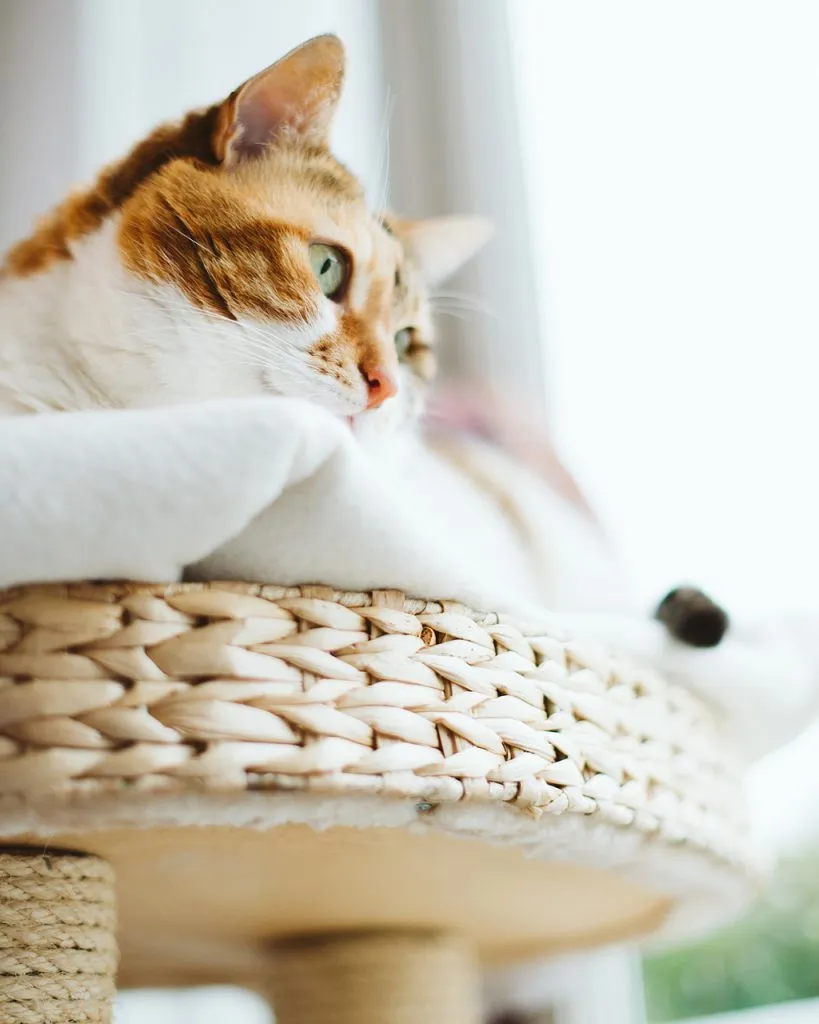 A cat sitting comfortably in a multi-level cat tree.
A well-enriched environment with safe spaces and engaging toys can significantly reduce a cat’s anxiety and need for constant attention.
Understanding and Patience
Accept that cats have unique territorial instincts and can be sensitive to environmental changes. Patience is key, as it may take time for your cat to adjust to closed doors. Continue with positive reinforcement and desensitization techniques consistently. If the meowing persists or seems to indicate significant distress, consult with a veterinarian or a certified feline behaviorist.
When Meowing Continues
If your cat’s meowing persists despite your efforts, or if it seems linked to an underlying health issue, seeking professional help is recommended. A veterinarian can rule out any medical conditions, while a cat behaviorist can offer tailored strategies and support. Remember, consistent patience and a deep understanding of your cat’s communication methods are fundamental to achieving a harmonious balance between their needs and your desire for a quiet home.
Jenna Cheal, Ph.D., an experimental psychologist specializing in cat behavior, offers insights based on her expertise. She resides in Toronto with her two cats, Andes and Bolivar. You can connect with her on Twitter @CatPsychologist and Facebook.
Explore the Modern Cat E-Store for a variety of enriching products for your feline companions.
