
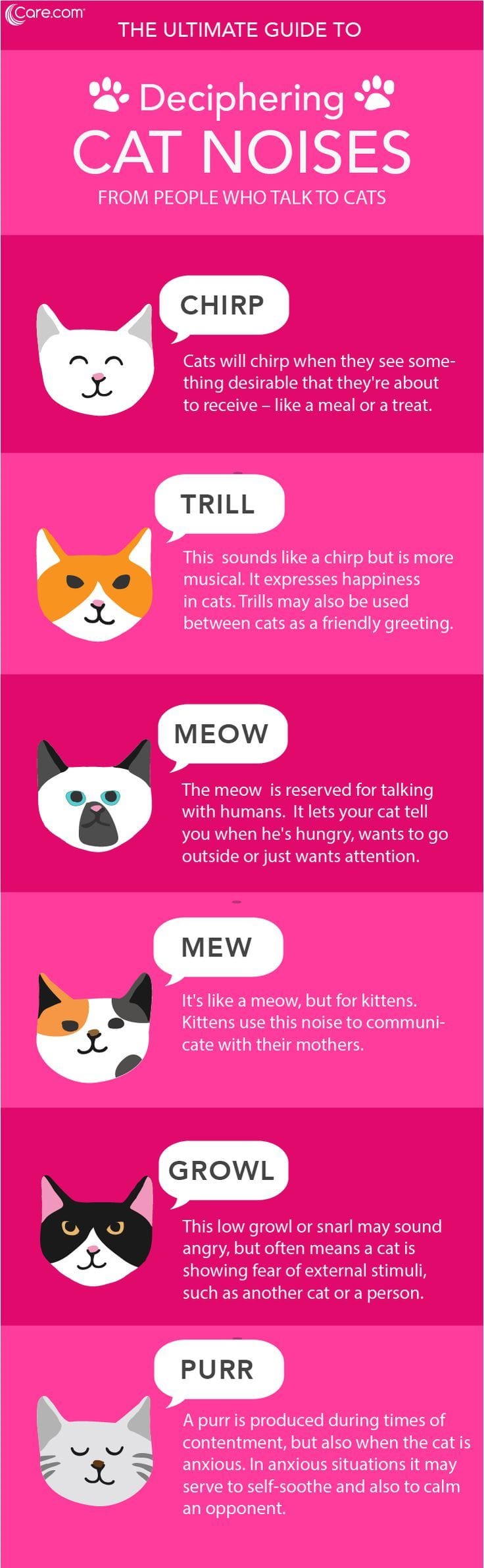
Cats are incredibly communicative creatures, and their meows are a primary way they interact with humans. While adult cats typically don’t meow at each other, they reserve this vocalization for their human companions. From a simple “hello” to expressing hunger or distress, a cat’s meow carries a variety of messages. Kittens meow to signal their needs to their mother, and this learned behavior often continues into adulthood as a way to elicit a response from their owners. Beyond the common meow, cats also yowl – a more prolonged and melodic sound, often heard during the breeding season between adult cats. Determining when meowing becomes excessive is subjective, as all cats vocalize to some extent. However, certain breeds, like the Siamese, are known for their tendency towards more frequent and intense vocalizations.
Common Reasons Behind Your Cat’s Meows
Cats meow for a multitude of reasons, often directly related to their desires and needs. Understanding these vocal cues can significantly improve your bond with your feline friend.
Greeting and Seeking Attention
Your cat will likely greet you with a meow when you return home, when you encounter each other within the house, or even when you speak to her. This is a sign of recognition and affection. Many cats also use meowing as a way to solicit attention. They enjoy social interaction and may become quite vocal if they desire petting, playtime, or simply a conversation. Cats that experience long periods of solitude may be more prone to meowing for attention to combat loneliness.
Expressing Hunger and Thirst
Food is a primary motivator for many cats, and they can be quite demanding around meal times. Some cats learn to meow whenever anyone enters the kitchen, hoping for a treat. Others may meow specifically to wake you up for breakfast. Begging for human food by meowing is also a common learned behavior. It’s essential to establish a feeding routine to avoid reinforcing this behavior.
Requesting Entry or Exit
A cat’s meow is a direct way to communicate their desires, including wanting to be let in or out. If your cat wants to go outside, she’ll likely meow at the door. Conversely, if she’s outside and wishes to return, she’ll meow to be let back in. Transitioning a cat from an indoor-outdoor lifestyle to an exclusively indoor one can lead to a period of persistent meowing at doors and windows. This adjustment can take weeks or even months, requiring patience from the owner.
Underlying Medical Conditions
Elderly cats experiencing cognitive dysfunction, or a feline form of Alzheimer’s, may meow excessively due to disorientation. Behavior problems in older cats can manifest in various ways, including increased vocalization. It is crucial to rule out any medical causes for excessive meowing. A cat that suddenly starts meowing a lot should be thoroughly examined by a veterinarian. Numerous conditions can cause changes in appetite, thirst, restlessness, or irritability, all of which can prompt increased meowing. Conditions like overactive thyroid and kidney disease, common in aging cats, can also lead to excessive vocalization.
Mating Calls
For reproductively intact cats, yowling is often associated with mating. Females yowl to signal their readiness to mate, attracting males. Males, in turn, yowl to gain access to females. Spaying or neutering is the most effective way to curb these hormonally driven vocalizations.
Addressing Excessive Vocalization
If your cat’s meowing seems excessive, the first step is to identify the underlying cause. Observe the circumstances surrounding her vocalizations and note what typically prompts her to stop. Keeping a log can help identify patterns in her behavior.
Managing Attention-Seeking Meows
If your cat meows for attention, it’s vital to teach her that quietness garners a response. Avoid shouting or giving any form of attention, even negative attention, as this can inadvertently reinforce the behavior. Instead, be patient and wait for a brief moment of silence before offering the attention she craves. If she resumes meowing, disengage and only return when she is quiet. Consistency is key to helping her understand your expectations.
Addressing Hunger-Related Meows
If your cat meows for food, do not feed her when she cries. Instead, feed her at scheduled times so she learns that meowing outside of these times is futile. For persistent cases, an automatic feeder can be programmed to dispense food at specific times, redirecting her vocalizations towards the feeder rather than you. This is particularly helpful if she wakes you early for breakfast.
Dietary Adjustments and Feeding Strategies
If your cat is on a diet, consult your veterinarian about high-fiber foods or supplements that can help her feel satisfied. For cats not prone to weight gain, leaving dry food available at all times can prevent hunger-related meowing. High-fiber foods can help her feel full without excessive calorie intake. Always check with your vet before making significant dietary changes.
Indoor vs. Outdoor Living
For cats who meow to be let in or out, consider installing a cat door. However, the ASPCA recommends keeping cats exclusively indoors for their safety and health. If you are transitioning an outdoor-accustomed cat to an indoor-only life, expect a period of persistent meowing. Patience and ensuring she never gets outside again will eventually lead to adjustment. Alternatively, an outdoor cat enclosure can provide safe outdoor access.
Hormonal Influences
Unspayed female cats in heat will often meow excessively, alongside increased affection and rolling on the floor. This heat cycle typically lasts four to ten days and recurs every 18 to 24 days during the breeding season. Spaying is the most effective solution. Similarly, unneutered male cats may meow relentlessly when they detect a female in heat. Neutering is the best way to reduce this type of vocalization.
Veterinary Evaluation for Senior Cats
For elderly cats exhibiting new or excessive meowing, a veterinary evaluation is essential. This can help identify medical conditions, sensory deficits, or cognitive dysfunction, for which medication might offer relief.
What NOT to Do
It’s important to avoid certain behaviors that can worsen the situation or harm your relationship with your cat.
- Do not ignore your cat’s meows without assessment. Unless you are certain she is meowing for a desired outcome, always assume something might be wrong, such as an empty water bowl, a full litter box, or being trapped. Ensure her basic needs are met before assuming she’s simply being demanding.
- Do not scold or punish your cat for meowing. While this might cause temporary compliance, it’s unlikely to have a lasting effect on her vocal behavior and can foster fear and anxiety.
By understanding the reasons behind your cat’s meows and implementing appropriate strategies, you can foster a more harmonious and communicative relationship with your feline companion.
