
Has your feline friend developed a penchant for scratching unconventional surfaces, leaving you concerned about her paw health? While many cat owners grapple with deterring destructive scratching, some face the opposite challenge: encouraging their cats to use appropriate scratching posts. This article delves into understanding why cats scratch and provides practical strategies to guide your cat towards her designated scratching outlets, ensuring her claws remain healthy and intact.
It’s a common query for cat owners: “How can I get my cat to scratch correctly?” You’ve provided a variety of scratching options – from furniture and cardboard scratchers to posts and cat trees – yet your cat seems to favor less conventional, and potentially harmful, surfaces. This situation can be perplexing, especially when positive reinforcement, like treats and praise, is offered for using the appropriate scratching areas, but the behavior persists. This article aims to address this specific concern, offering insights and actionable advice to help redirect your cat’s scratching habits.
Understanding Your Cat’s Scratching Needs
Scratching is a natural and essential behavior for cats. It serves multiple purposes, including marking territory (visually and with scent glands in their paws), shedding the outer husks of their claws, stretching their bodies, and relieving stress or excitement. Understanding these underlying needs is the first step in redirecting their behavior.
Why Cats Scratch
Cats scratch for a variety of instinctual reasons:
- Nail Maintenance: Scratching helps cats shed the old, worn-out outer layers of their claws, revealing a sharper new claw underneath.
- Territorial Marking: Cats have scent glands in their paws that leave their unique scent when they scratch, marking their territory for other cats. They also leave visual marks.
- Stretching: The act of scratching allows cats to stretch their muscles, paws, and tendons.
- Stress Relief and Excitement: Scratching can be a way for cats to release pent-up energy, excitement, or frustration.
Strategies to Encourage Appropriate Scratching
When your cat shows a preference for an unsuitable scratching surface, like a concrete patio block, it’s crucial to intervene to prevent potential paw injuries. Here’s how you can guide her towards more appropriate outlets:
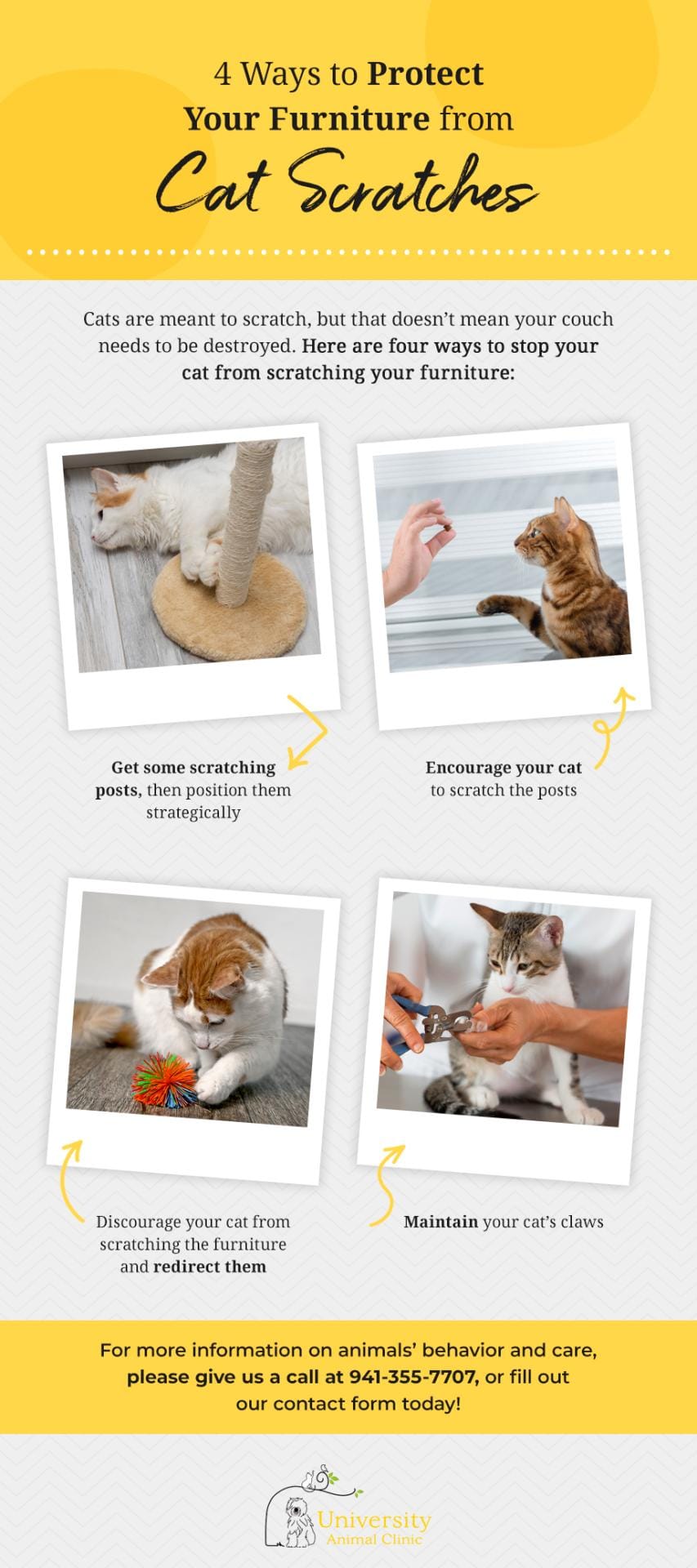
1. Material Matters
Cats have preferences for the texture and material of their scratching surfaces. While sisal rope and corrugated cardboard are popular choices, explore other options. If your cat enjoys the rough texture of concrete, consider introducing scratching surfaces with similar abrasive qualities. Experiment with:
- Various types of wood: Some cats enjoy scratching on natural wood branches.
- Different carpet textures: Avoid loop carpets, which can snag claws. Opt for low-pile, tightly woven carpets.
- High-quality corrugated cardboard: These come in many shapes and orientations and are often a hit with cats.
2. Orientation and Placement are Key
The way a scratching post is positioned can significantly influence whether your cat uses it. Observe your cat’s natural stretching and scratching posture.
- Vertical Scratchers: Many cats prefer to stretch upwards and scratch vertically. Ensure posts are tall enough for a full stretch.
- Horizontal Scratchers: Some cats prefer to scratch horizontally, often on flatter surfaces.
- Angled Scratchers: A compromise between vertical and horizontal can appeal to some cats.
- Location, Location, Location: Place scratching posts in areas where your cat spends a lot of time, and crucially, near the surfaces she is currently scratching. This proximity can help redirect her attention. Consider placing them near favorite sleeping spots, as cats often like to scratch upon waking.
3. Enhancing Appeal with Scents and Sounds
- Catnip: While you’ve tried catnip, its effectiveness can vary. Try different forms (fresh leaves, dried, spray) and brands. Not all cats react to catnip.
- Feliway: Sprays or diffusers containing synthetic feline facial pheromones can create a sense of calm and security, potentially making scratching posts more attractive.
- Play and Interaction: Engage your cat in play sessions that naturally lead her to the scratching post. Use toys to guide her paws towards it.
4. Positive Reinforcement
Continue to reward your cat with praise, petting, or a small, healthy treat whenever she uses an appropriate scratching post. Consistency is vital. Ensure you are not inadvertently rewarding the unwanted behavior.
5. Addressing Claw Health Directly
Despite your best efforts, some cats remain resistant to using designated scratching posts. In such cases, managing her nail health becomes paramount to prevent painful ingrown claws.
- Regular Nail Trimming: Learn how to trim your cat’s nails safely. Resources like video tutorials from veterinary institutions can be invaluable. This regular maintenance is crucial to prevent claws from curling into the paw pads.
- Veterinary Consultation: If your cat consistently injures her paws due to improper scratching, a veterinary check-up is essential to rule out any underlying medical issues and discuss the best long-term management strategies.
Encouraging a cat to use appropriate scratching posts can be a process of trial and error. By understanding her natural behaviors and experimenting with different materials, orientations, and locations, you can significantly increase the chances of success. Remember to be patient and consistent with positive reinforcement. If all else fails, diligently managing her nail length through regular trims will be key to her comfort and health.
