
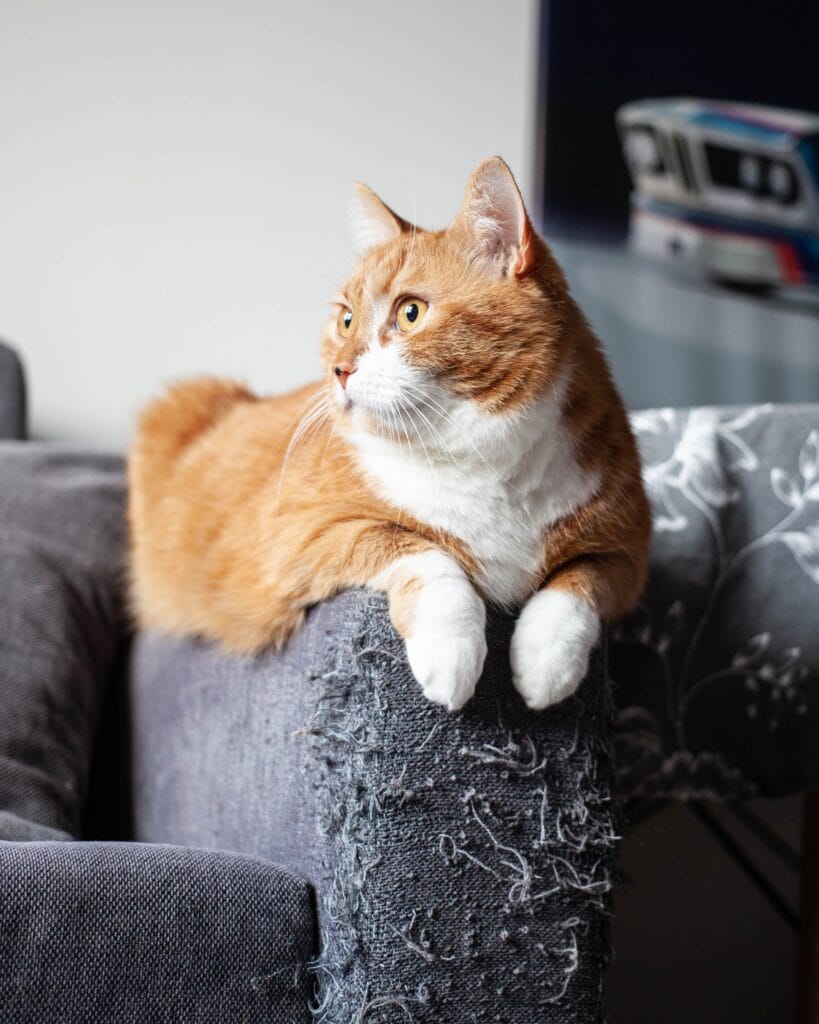
Cats possess an innate need to scratch, a behavior that serves multiple purposes including play, stretching, territorial marking, and maintaining claw health. This natural inclination, however, can lead to considerable damage to household furnishings. This article provides a comprehensive guide on how to manage your cat’s scratching habits effectively, focusing on redirection rather than suppression, and ensuring your cat’s needs are met while protecting your belongings.
Why Cats Scratch
Scratching is a fundamental feline behavior, essential for their physical and mental well-being. It allows them to shed the outer husks of their claws, revealing fresh, sharp ones underneath. Additionally, scratching helps cats stretch their muscles and serves as a visual and scent-marking behavior to communicate with other cats. Understanding these motivations is key to managing the behavior appropriately.
Redirecting Scratching Behavior
The most effective strategy for dealing with destructive scratching is to channel this behavior onto acceptable surfaces. By providing enticing alternatives and making them less appealing to scratch on, you can successfully guide your cat’s scratching instincts.
Providing Appropriate Scratching Surfaces
- Variety is Key: Offer a range of scratching posts with diverse textures and orientations. Materials like cardboard, sisal rope, carpet, wood, and upholstery can cater to different preferences. Some cats favor vertical posts, while others prefer horizontal or slanted options. Experiment to discover what your cat enjoys most.
- Sturdy and Tall: Ensure scratching posts are stable and won’t wobble or topple when in use. Cats also appreciate posts that are tall enough for them to fully stretch their bodies while scratching, much like they might do with curtains.
- Strategic Placement: Position scratching posts in areas where your cat is likely to use them, such as near sleeping spots or favorite lounging areas. You can also entice your cat by scenting the posts with catnip or by hanging toys on them.
Discouraging Undesirable Scratching
- Make Unwanted Items Unappealing: Cover furniture or other desirable scratching targets with materials cats dislike, such as double-sided sticky tape, sandpaper, vinyl carpet runners (knobby side up), or even by simply turning speakers towards the wall.
- “Legal” Alternatives: Place scratching posts directly next to these undesirable surfaces. This provides a clear, “legal” alternative for your cat to use.
Essential Cat Care Practices
Beyond providing suitable scratching options, regular grooming and understanding your cat’s needs are crucial.
Nail Trimming and Protection
- Regular Clipping: Keep your cat’s nails trimmed regularly. For detailed instructions on how to do this safely, please refer to the “Cat Grooming Tips” section of our comprehensive guide Cat Grooming Tips.
- Nail Caps: Consider using temporary plastic caps that adhere to your cat’s claws. These caps prevent damage from scratching and typically last for four to six weeks before needing reapplication.
Positive Reinforcement and Deterrents
- Gentle Correction: If you witness your cat scratching an inappropriate object, a sudden clap of your hands or a gentle squirt of water can startle them. Use this sparingly, as associating you with startling events might lead to fear and avoidance of you.
- Professional Guidance: If you encounter persistent behavioral issues, don’t hesitate to seek expert help. Consulting a Certified Applied Animal Behaviorist (CAAB or ACAAB) or a board-certified veterinary behaviorist can provide tailored solutions. You can find resources for professional behavioral assistance in our article, Finding Professional Behavior Help.
What NOT to Do
Certain methods can be counterproductive and harm your relationship with your cat.
- Avoid Force: Never hold your cat and force her to scratch a post. This can create fear and associate the post, and potentially you, with a negative experience.
- Don’t Discard Old Posts: Cats often prefer well-used scratching posts because they carry familiar scents and textures. Shredded or torn posts provide excellent grip for their claws.
- Declawing is Not Recommended: The ASPCA strongly opposes declawing as a solution for behavioral problems. It is not proven to be effective for issues like aggression and should not be used as a remedy. Click here to read the ASPCA’s complete Position Statement on Declawing Cats.
By understanding the reasons behind your cat’s scratching behavior and implementing these positive redirection strategies, you can maintain a harmonious home environment for both you and your feline companion.
