
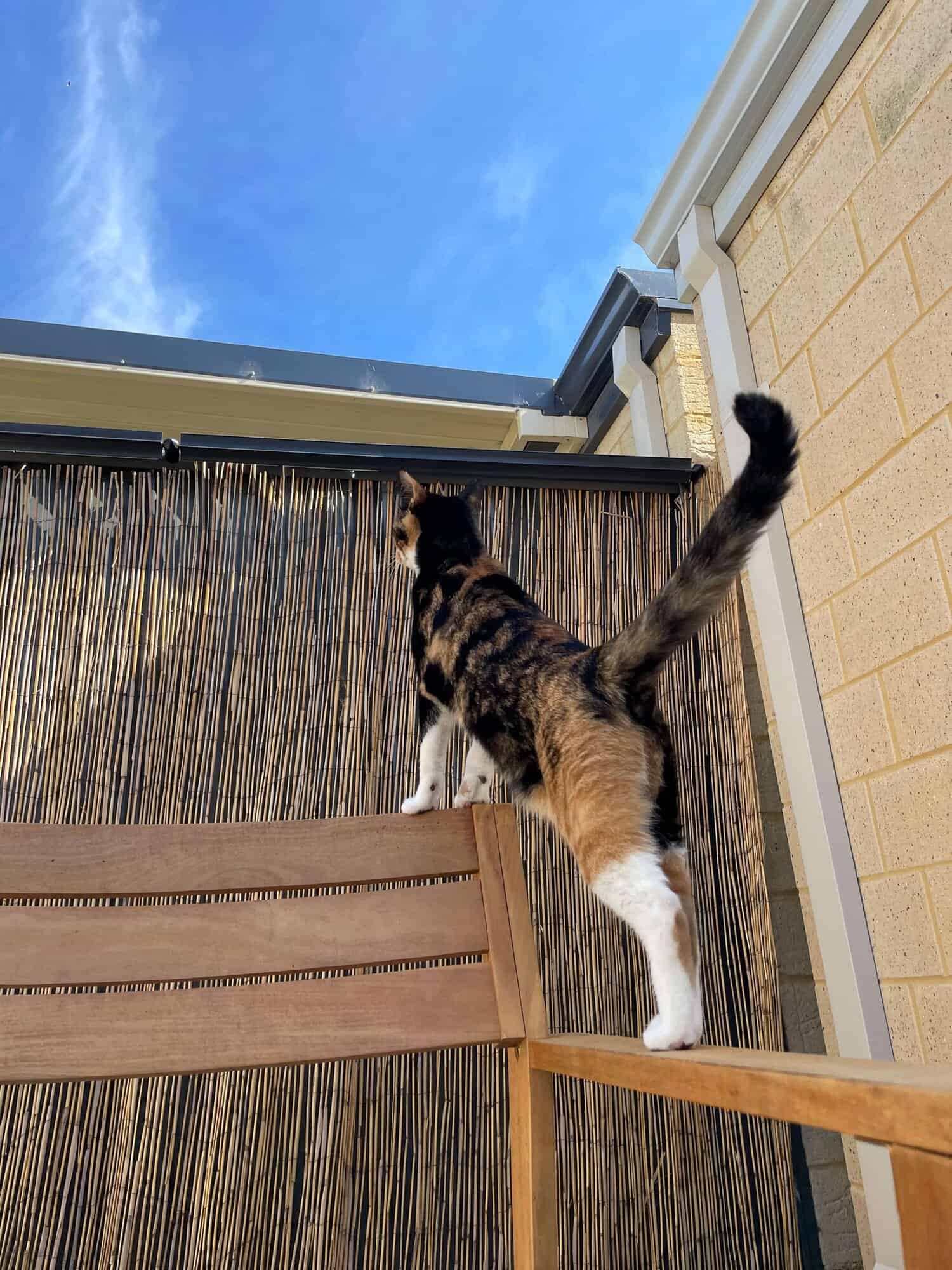
Bringing a cat into your home is a significant commitment, and one of the key decisions you’ll face is whether to allow your feline companion to roam outdoors or keep them exclusively indoors. While the allure of letting your cat explore the world beyond your doorstep is understandable, it’s crucial to weigh the potential benefits against the very real safety hazards involved. This decision requires careful consideration to ensure your cat’s well-being and happiness. Cat actions can often be misunderstood, and understanding their needs is paramount.
The Allure of the Outdoors: Pros for Your Cat
Allowing your cat supervised or unsupervised access to the outdoors can offer several advantages that cater to their natural instincts and physical needs.
Enhanced Exercise and Physical Activity
Outdoor cats generally have a larger territory to explore compared to their indoor counterparts. This extended space encourages more active play, climbing, and general movement, contributing to better physical fitness and helping to prevent the sedentary lifestyle that can lead to obesity and other health issues in indoor cats.
Enriched Sensory and Mental Stimulation
The outdoor environment provides a constant stream of novel sights, sounds, smells, and textures. This rich sensory input is vital for a cat’s mental well-being, preventing boredom and offering continuous opportunities for exploration and learning. From the rustling leaves to the scent of other animals, the outside world is a dynamic playground for a curious cat.
Outlet for Natural Behaviors
Cats possess strong innate behaviors such as scratching, scent marking, and hunting. While these can sometimes be inconvenient indoors (think scratched furniture), the outdoors provides a natural and appropriate environment for these instincts to be expressed. Observing these behaviors in their natural context can be fascinating for owners. Understanding alpha female cat behavior can also shed light on social dynamics in outdoor cat populations.
The Risks of Roaming: Cons for Your Cat
Despite the benefits, allowing cats to roam freely significantly increases their exposure to danger. The outdoor world, while stimulating, is fraught with risks that can compromise their safety and health.
Safety Hazards
- Traffic Accidents: Cats are most active during dawn and dusk, times when traffic is also a concern. Their speed and unpredictable movements can make them vulnerable to being hit by vehicles.
- Interactions with Other Animals: Encounters with other cats, dogs, or wildlife can lead to injuries, fights, and the transmission of diseases.
- Parasites and Diseases: Outdoor cats are more susceptible to fleas, ticks, intestinal parasites, and serious feline diseases like Feline Immunodeficiency Virus (FIV) and Feline Leukemia Virus (FeLV).
- Environmental Dangers: Exposure to toxic substances like antifreeze, pesticides, and poisonous plants poses a significant threat.
- Theft and Cruelty: Sadly, outdoor cats can be targets for theft or animal cruelty.
Reproductive Risks
Unspayed female cats can become pregnant, leading to unwanted litters and contributing to the overpopulation of feral cats. Similarly, unneutered males may roam further in search of mates, increasing their exposure to dangers.
Impact on Wildlife
Cats are natural predators, and even well-fed domestic cats can pose a threat to local wildlife, including birds, small mammals, and reptiles. This can disrupt local ecosystems.
Keeping Your Indoor Cat Content and Stimulated
If you choose to keep your cat indoors for safety reasons, it’s essential to provide a stimulating environment that meets their physical and mental needs. This prevents boredom, frustration, and potential behavioral issues.
Environmental Enrichment
- Active Play: Engage your cat daily with interactive toys like feather wands, laser pointers (used responsibly), or balls. Aim for short, frequent play sessions.
- Vertical Space: Provide cat trees, shelves, or perches that allow your cat to climb, perch, and observe their surroundings from a height.
- Scratching Posts: Offer various scratching surfaces (sisal rope, cardboard, carpet) to satisfy their natural urge to scratch and mark territory.
- Puzzle Feeders and Treat Balls: These toys make mealtime more engaging, encouraging your cat to work for their food and providing mental stimulation. Chasing a cat can be a game, but these toys can simulate that “hunt” indoors.
- Window Perches: A comfortable spot by a window allows your cat to watch the outside world, providing visual stimulation.
Social Interaction
Spend quality time with your cat each day through petting, grooming, and gentle play. Positive interaction strengthens your bond and helps them feel secure and loved. Consider a pet sitter if you are away for extended periods.
Safe Ways to Experience the Outdoors
For cats who show a strong desire to explore, there are safer alternatives to free-roaming:
Harness and Leash Training
With patience and positive reinforcement, many cats can be trained to wear a harness and leash. Start with short sessions indoors, gradually increasing the duration and introducing outdoor exploration in a secure area.
Catio (Cat Patio)
An enclosed outdoor space, often called a “catio,” provides a secure area where your cat can enjoy fresh air, sunshine, and the sights and sounds of nature without the associated risks.
Pet Carriers
Allowing your cat to experience outdoor scents and sounds from the safety of a pet carrier can offer a degree of enrichment. Ensure your cat is comfortable with the carrier first.
Addressing Excessive Meowing
If your cat is meowing excessively, it may not simply be a plea to go outside. Several other factors could be at play:
- Mating Calls: Unspayed females in heat and unneutered males seeking mates will vocalize loudly.
- Medical Conditions: Changes in vocalization can be a symptom of underlying health issues such as hyperthyroidism, cognitive dysfunction (dementia), or pain.
- Stress and Anxiety: New pets, household changes, loud noises, or territorial disputes can cause stress, leading to increased meowing.
If you notice a sudden increase in your cat’s vocalizations, coupled with other behavioral changes or physical symptoms, consult your veterinarian. Ruling out medical causes is crucial before considering behavioral interventions.
Conclusion
The decision of whether to let your cat outside is a complex one, balancing their desire for freedom with your responsibility for their safety. While outdoor access offers exercise and enrichment, the risks are substantial. By providing a stimulating indoor environment and exploring safer outdoor alternatives like harness training or catios, you can ensure your feline companion leads a happy, healthy, and secure life. Always remember to consult with a veterinarian if you have concerns about your cat’s behavior or health.
