
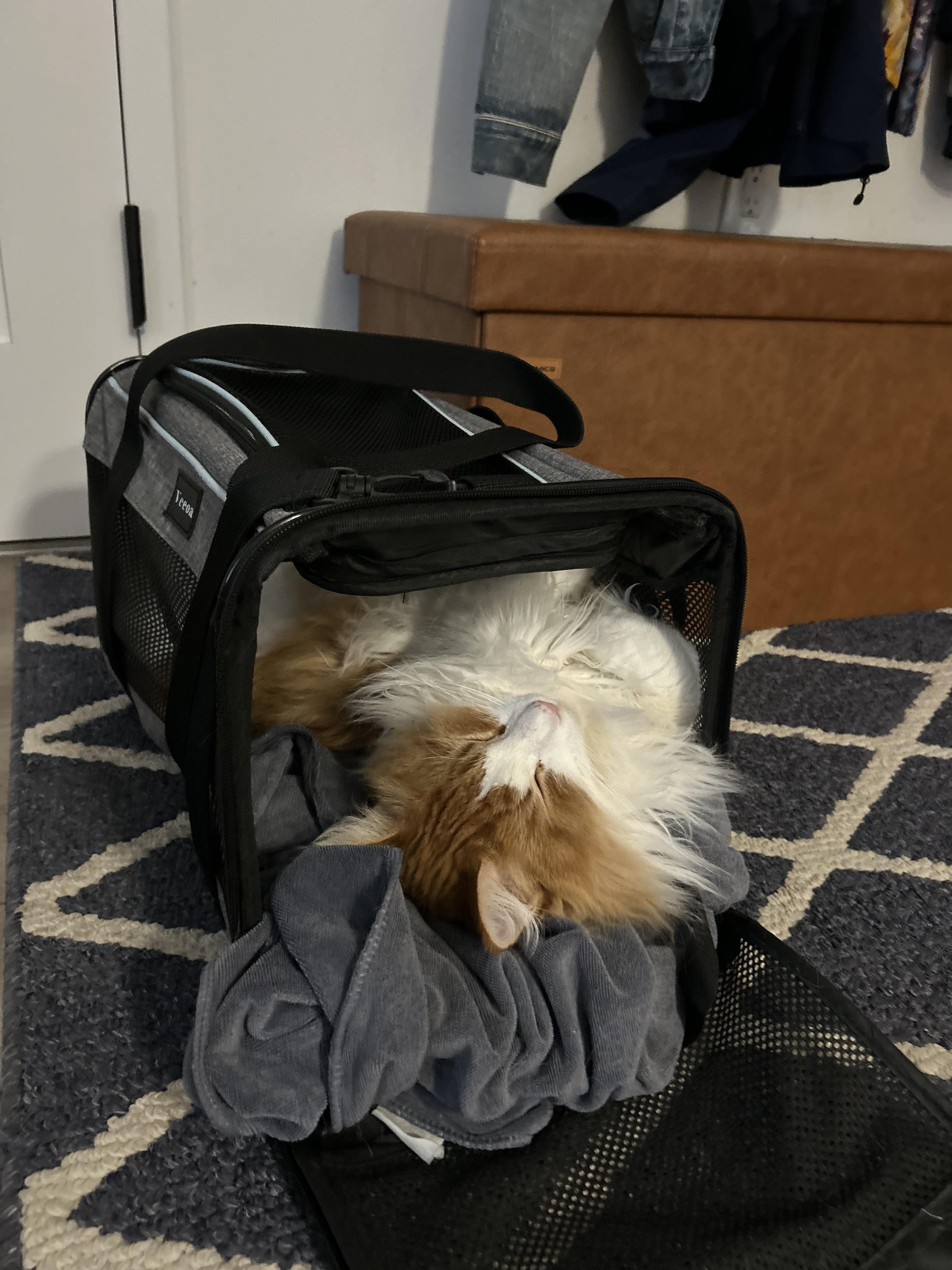
Bringing a new cat into your home is an exciting experience, and setting them up for success from the start is crucial. While often associated with dogs, crate training can be an incredibly effective method for acclimating cats to a new environment, managing travel, or providing a secure space. The secret to successful cat crate training lies in patience, consistency, and fostering a positive association with the crate. This guide will walk you through the steps to transform a simple crate into a comfortable sanctuary your cat will willingly retreat to.
Choosing the Ideal Crate for Your Feline Friend
The first step in successful crate training is selecting the right enclosure. Wire crates offer excellent ventilation and visibility, allowing your cat to observe their surroundings, which can be reassuring. Conversely, plastic carriers provide a more enclosed, private space that may appeal to cats who feel more secure in den-like environments.
When making your selection, consider your cat’s size and comfort. The crate must be spacious enough for your cat to stand up, turn around comfortably, and lie down fully. A secure latch or lock is essential to prevent any accidental escapes. Opt for a crate with a removable top or a front-loading door, as this facilitates easier entry and exit, reducing stress for both you and your cat. Additionally, a crate with a removable tray or one that disassembles easily will greatly simplify cleaning.
Making the Crate a Welcoming Space
Once you have the right crate, it’s time to make it an inviting place for your cat. Position the crate in a quiet area of your home where your cat already spends a good amount of time. Leave the door ajar and furnish the interior with soft bedding, engaging toys, or items that carry familiar scents.
Allow your cat to explore the crate at their own pace, without any pressure or coercion. You can pique their natural curiosity by placing enticing treats, such as Open Farm’s RawMix or dry cat food meals, near the crate. Gradually move these rewards inside the crate, encouraging your cat to venture in to investigate.
Training Your Cat to Enter and Exit on Command
Teaching your cat to enter and exit the crate on command can be greatly enhanced with the use of treats and clicker training. Begin with the crate in a familiar and comfortable location. With the door open, place a few treats inside to encourage initial exploration. The moment your cat steps into the crate to retrieve the treats, click your clicker and immediately offer another treat as a reward. This technique, known as clicker training, uses the click to mark the desired behavior precisely, followed by a positive reinforcement in the form of a treat.
As your cat becomes more comfortable entering the crate, introduce a consistent verbal cue, such as “crate” or “go to bed.” When your cat enters the crate, repeat the click and treat sequence. Over time, your cat will begin to associate the command with the action and the positive outcome.
Training your cat to exit the crate follows a similar positive reinforcement approach. Open the crate door and use a different command, like “out” or “free.” When your cat exits, click and reward them with a treat.
Addressing Common Crate Training Challenges
Crate training can sometimes present difficulties, as cats are independent creatures and may initially resist confinement. However, many common issues can be effectively resolved with patience and slight adjustments to your training strategy.
Overcoming Fear of the Crate
Establishing positive associations is paramount. In addition to placing familiar toys and comfortable bedding inside, feed your cat their favorite wet cat food near the crate, gradually moving the food dish further inside over time. Crucially, never force your cat into the crate, as this will only intensify their fear and resistance.
Encouraging Voluntary Entry
If your cat is reluctant to enter the crate voluntarily, consider making it even more appealing. Placing a piece of clothing that carries your scent inside can provide a sense of comfort. Alternatively, using a calming pheromone spray can help create a more relaxed environment. Always reward your cat for any interaction with the crate, even if it’s just sniffing or investigating.
Managing Crying or Whining in the Crate
It is common for cats to meow or cry initially when introduced to crating, as they are unfamiliar with the confinement. However, it is important not to release your cat while they are crying, as this can inadvertently reinforce the undesirable behavior. Instead, wait until they have calmed down before opening the crate. If the crying persists, ensure your cat is comfortable, has a clean litter box, and receives ample interaction and playtime outside the crate.
Addressing Litter Box Issues within the Crate
If your cat is hesitant to use the litter box inside the crate, first ensure the box is immaculately clean and that you are using a litter type your cat prefers. The litter box should be appropriately sized for your cat to use comfortably but not so large that it takes up the majority of the crate space. It’s also essential that the crate itself is large enough to allow for separate areas for sleeping, eating, and using the litter box.
Embark on Your Cat’s Crate Training Adventure
Begin your cat’s crate training journey by focusing on creating a positive, comfortable, and safe environment within the crate. Introduce your cat gradually, using patience and rewarding every positive interaction. By combining consistent training techniques with positive reinforcement, you can help your cat develop a sense of security and contentment within their crate. Remember that every cat is unique, so be prepared to adjust your approach as needed. If you encounter persistent challenges, consulting with your veterinarian is always a recommended step.
Open Farm offers a variety of high-quality cat foods, including freeze-dried options and RawMix, which can serve as excellent motivators and treats during crate training. Explore the full selection of sustainably sourced, human-grade cat foods available at Open Farm to support your cat’s well-being and training success.
