
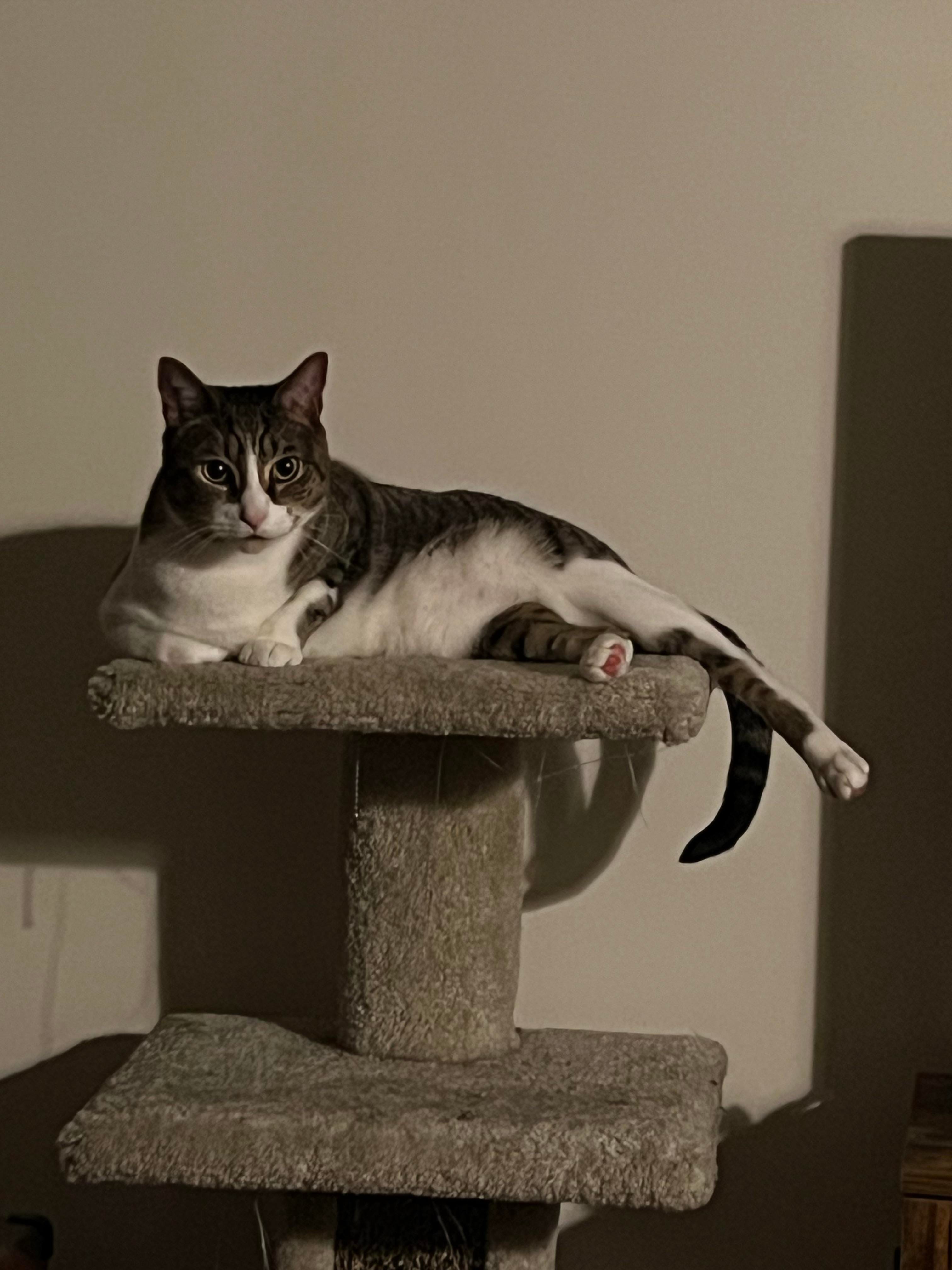
If you’ve ever observed your cat during sleep, you might have noticed subtle twitches of whiskers, flicks of paws, or even full-body movements without them fully waking. Sometimes, these nocturnal activities are accompanied by soft noises or even a sudden meow. While these behaviors can initially be surprising, they often stem from natural causes. However, there are instances where unusual meowing upon waking could signal a problem requiring veterinary attention. Understanding what happens when cats sleep can help decipher why your cat might wake up meowing and whether it’s a cause for concern.
Understanding Feline Sleep and Dreams
When a cat meows upon waking, it’s possible they were in a deep sleep state, potentially experiencing a dream, or even a nightmare. According to veterinary neurologist Adrian Morrison, cats in the REM (Rapid Eye Movement) stage of sleep may exhibit movements suggesting they are watching something. Research indicates that cats might dream about recent events and could experience nightmares, though the full extent of this phenomenon is still being studied.
During dreams, cats may twitch, stretch, snore, and emit soft vocalizations. These reactions are often triggered by neurological signals occurring within the brain during sleep. If a cat has recently undergone a frightening experience, such as being chased by another animal, they might be dreaming about it, leading to a startled awakening.
Common Reasons for Nighttime Vocalizations
Cats vocalize at night for a variety of reasons. Boredom, hunger, or discomfort in a new environment can lead to meowing or yelling. Cats experiencing loneliness may also seek out their owners during the night, attempting to wake them.
Medical conditions can also prompt nighttime meowing. A cat newly introduced to a different home may whine due to anxiety. Confusion leading to vocalization can occur in cats suffering from cognitive dysfunction, often referred to as dementia.
Addressing Your Cat’s Nighttime Meowing
Given the many potential causes for nighttime meowing, it’s crucial to identify the specific reason behind the behavior before deciding on a course of action. A veterinarian visit is always recommended to rule out underlying illnesses or conditions like dementia.
Once your cat’s health is confirmed, you can address other potential causes. Establishing a consistent daily schedule can provide your cat with a sense of stability and confidence. Feeding your cat at regular times and ensuring ample playtime and attention can contribute to their feeling of security.
If your cat’s nighttime vocalizations are due to excess energy, implementing strategies to expend this energy during the day is essential. Multiple play sessions throughout the day, using various toys to discover your cat’s preferences, can be beneficial. An extended play session just before bedtime can help tire your cat, promoting better sleep.
For cats meowing due to hunger, adjusting their feeding routine might be necessary. Consider offering several smaller meals throughout the day, with the final meal provided before bedtime. Automatic feeders can also help ensure a consistent food supply during the night.
In conclusion, while a cat waking up meowing often signifies dreaming, other factors should also be considered. Observing changes in your cat’s behavior, such as increased sleep or decreased appetite, may indicate a physical issue. If you suspect a health problem, consult your veterinarian promptly. Additionally, evaluate whether hunger, loneliness, stress, or excess energy might be contributing to the nighttime vocalizations. Adjusting to a new nighttime schedule can take time, so pay close attention to your cat’s sleeping habits and the circumstances surrounding their awakenings. Identifying these clues will help determine if your cat is simply dreaming or if another issue requires attention.
