
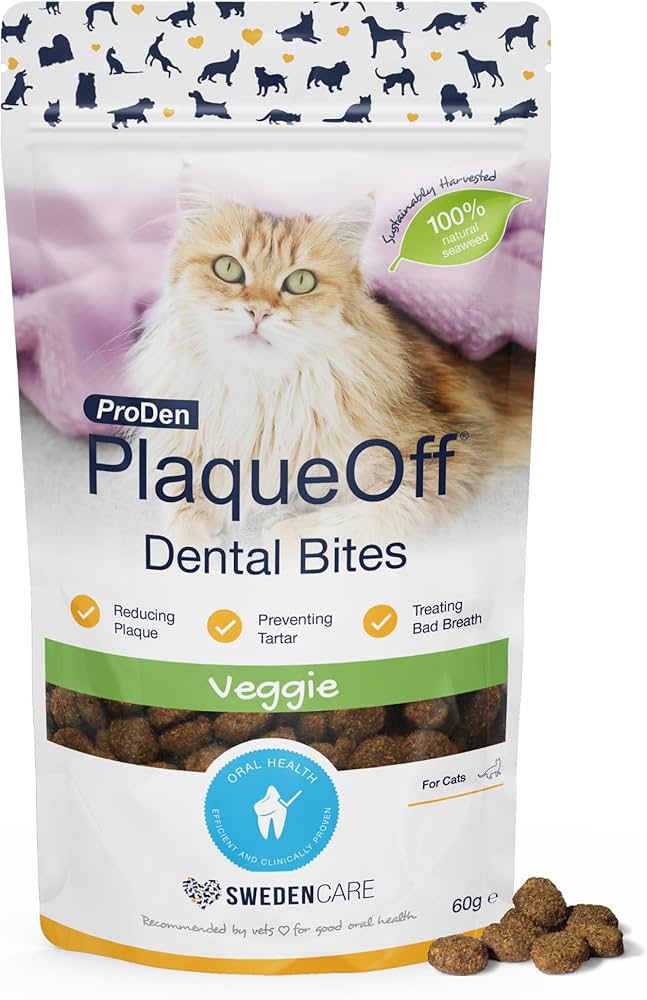
Keeping your feline friend’s smile healthy and bright goes beyond just regular feeding. Dental treats, often seen as a simple reward, play a crucial role in your cat’s daily oral care regimen. Plaque can build up rapidly after a professional cleaning, and neglecting oral hygiene can lead to serious issues like periodontal disease. Veterinarians highly recommend incorporating daily tooth brushing, oral rinses, and vet-approved cat dental treats into your cat’s routine to maintain optimal oral health.
The Role of Dental Treats in Cat Oral Health
The act of chewing textured food items helps to mechanically remove some of the plaque that accumulates daily. Cats are born with 30 adult teeth, which are pointed and lack the flat chewing surfaces found in human teeth. As obligate carnivores, their diet is primarily protein-based. In the wild, their sharp teeth are used for hunting and drawing prey towards the back of their mouths. The natural “toothbrush” for wild cats often consists of the fur and feathers of their prey.
However, domestic cats often consume small kibble that can be easily swallowed whole. Dental treats are typically larger than kibble, offering a greater surface area for abrasive cleaning action on the tooth’s surface. It’s important to note that dental diets and treats primarily benefit the cheek teeth (premolars and molars), which are used for grinding and chewing. They are less effective for the incisors (front teeth) used for grasping and the canine teeth used for puncturing prey.
Choosing Vet-Recommended Cat Dental Treats
Navigating the array of dental treats available in pet stores can be overwhelming. Fortunately, the Veterinary Oral Health Council (VOHC) offers a list of recommended cat dental products to guide pet owners. The VOHC seal serves as a valuable indicator for selecting products that promote superior oral health.
While not on the VOHC list, CET Enzymatic Oral Hygiene Chews are also highly regarded within the veterinary dental community, including by board-certified veterinary dentists. These chews are recognized for their effectiveness in supporting feline dental hygiene.
Regular dental check-ups are essential. If you notice any signs of dental distress in your cat, such as bad breath, difficulty eating, or red gums, it’s crucial to seek professional advice. Early detection and intervention can prevent the progression of dental disease. Understanding your cat’s dietary needs is also paramount; ensuring they receive a balanced diet appropriate for their life stage will contribute to overall health, including oral well-being.
Addressing Your Cat’s Dental Concerns
Whether you’re seeking advice on the best dental treats for your cat or are concerned about their overall oral health, consulting a professional is always the best course of action. The dedicated team at Animal Dental Care and Oral Surgery is committed to helping you maintain your cat’s dental health. Contact us today to schedule an appointment with a board-certified veterinary dentist in Colorado Springs.
References:
- Veterinary Oral Health Council. (n.d.). VOHC Accepted Dental Products. Retrieved from https://vohc.org/
- Virbac. (n.d.). CET Enzymatic Oral Hygiene Chews. Retrieved from https://us.virbac.com/home/our-products/pagecontent/product-selector/cetenzymatic-oral-hygiene-chews.html
- Wellpets. (n.d.). 75 Feline Juvenile Onset Periodontal Disease. Retrieved from https://www.wellpets.com/blog/75-feline-juvenile-onset-periodontal-disease
