
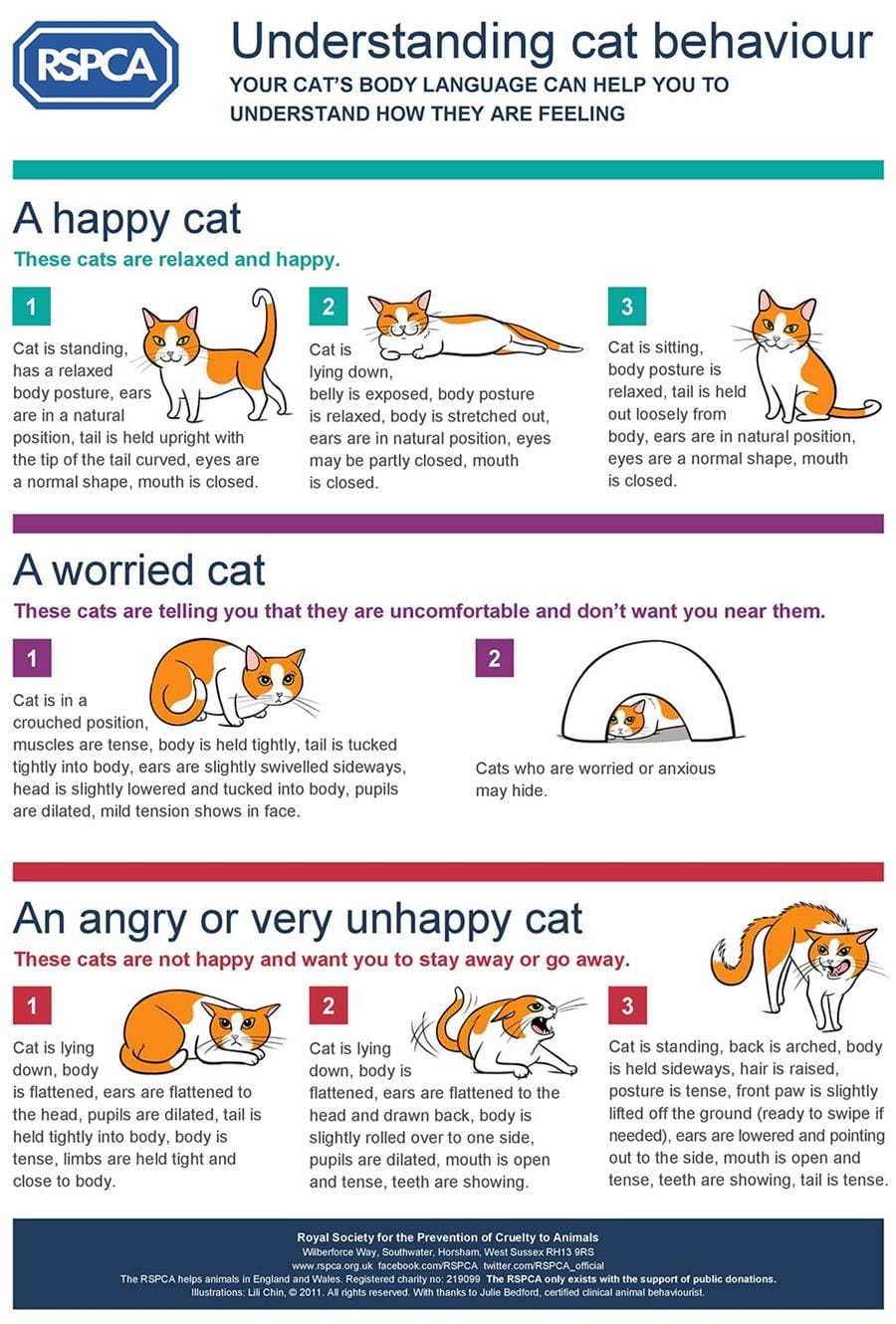
Cats are known for their peculiar habits, from batting objects off shelves to kneading soft surfaces. One of these behaviors is hiding, which can range from a normal, comforting routine to a potential indicator of distress or illness. This article delves into the reasons behind feline hiding and helps you identify when it’s time to seek professional advice for your cat.
Hiding is a natural and common behavior for cats. It’s not unusual to find your feline companion tucked away under the bed, inside a closet, or perched on a high shelf. These secluded spots offer cats a sense of warmth, quiet, safety, and a good vantage point to observe their surroundings. Enclosed spaces make cats feel safe and secure, making them ideal for napping and relaxation. Often, cats will have a favorite hiding spot, or their chosen locations might be influenced by environmental factors like proximity to a warm appliance during colder months.
Reasons Behind Your Cat’s Hiding Habits
Beyond seeking a peaceful nap, several factors can prompt a cat to hide:
Changes in Environment
Cats are sensitive to change, and shifts in their household can be a significant source of stress. Introducing new furniture, welcoming a new family member (human or animal), or even experiencing the loss of a loved one can cause a cat to retreat. Moving to a new home or adapting to unfamiliar scents, sounds, and sights are also common triggers for hiding behavior.
Overstimulation
A chaotic environment with loud noises, energetic children, or frequent visitors can overwhelm a cat. When faced with such overstimulation, cats often seek refuge in a quiet place to decompress and escape the commotion. Stress in cats can manifest as hiding.
Fear and Anxiety
Perceived threats, such as the presence of a dog, a stranger, or a sudden loud noise, can trigger a cat’s natural fear response, leading them to hide until they feel safe again. This is usually a temporary reaction.
Physical Discomfort
Hiding can be a way for cats to conceal physical discomfort, especially as they age and may develop joint issues. In the wild, showing signs of weakness makes them vulnerable to predators. Therefore, cats instinctively hide any indication of vulnerability.
Illness
Similar to concealing physical discomfort, hiding can be an instinctual way for cats to avoid drawing attention from potential predators when they are unwell. Extended periods of hiding due to underlying health problems can exacerbate their condition if left unaddressed.
When to Be Concerned About a Hiding Cat
While hiding is normal, certain signs warrant closer attention from cat parents:
Abrupt Behavioral Shifts
A sudden change in a typically social cat’s behavior, such as an increase in hiding or longer durations spent in seclusion, should be noted. These abrupt changes can signal underlying stress, fear, discomfort, or a medical issue. Trust your instincts; if your cat’s hiding behavior feels different, consult your veterinarian.
Body Language Cues
Observe your cat’s body language while they are hiding. A relaxed cat seeking quiet alone time might appear comfortable and disengaged. However, if your cat is stressed or fearful, they may exhibit signs like dilated pupils, flattened ears, a tense, tucked body, and a tightly wrapped tail. Stiffness and immobility can also indicate joint discomfort.
Accompanying Symptoms
It can be challenging to notice illness when your cat is hiding. Pay attention to other behaviors that might accompany hiding, such as lethargy, loss of appetite, vomiting, increased sleeping, or accidents outside the litter box. If you observe these symptoms, contact your veterinarian promptly.
Addressing Your Cat’s Hiding Behavior
If your cat is hiding more than usual, your first step should be to consult your veterinarian to rule out any medical causes. Once medical issues are excluded, allow your cat to emerge from hiding on their own terms to maintain trust. Ensure they have easy access to food, water, and a clean litter box.
To help your cat adjust to new people or environments, you can leave an item of clothing with your scent on it for them to investigate. Treats and toys can also be effective in encouraging them to come out and explore.
The Role of ElleVet CBD + CBDA
Stress can significantly impact a cat’s mental and physical health, and witnessing their distress can be upsetting. ElleVet’s CBD + CBDA Feline Oil or CBD + CBDA Feline Paste can help alleviate stress in anxious cats, aiding their adjustment to household changes and overstimulation. By managing stress and fear, these products can contribute to your cat’s overall well-being.
Furthermore, ElleVet’s CBD + CBDA is highly effective for joint discomfort. If your cat is hiding due to physical pain, these products can help improve their mobility and comfort. It’s crucial to use the specific feline formulations, as correct dosing is vital for effectiveness.
The Significance of Safe Hiding Spots
Finding a suitable hiding spot is a fundamental aspect of a cat’s behavior. Enclosed spaces, such as a cardboard box, under furniture, or a cozy cat bed, provide a crucial sense of security. This is particularly important when cats are introduced to a new environment or household. These secluded areas serve as retreats from loud noises or unfamiliar pets, allowing them to feel safe. Respecting these safe spaces is essential for a cat’s comfort and security. Introducing a pheromone diffuser can also help create a more calming atmosphere.
How Playtime Influences Hiding
Regular playtime can significantly impact a cat’s hiding behavior. Interactive play helps cats acclimate to their surroundings, builds trust, and allows them to express natural instincts. For cats that are hiding, especially new arrivals, interactive toys can encourage exploration. Toys that mimic prey, like feather wands or cat trees, can coax a cat out of hiding by blending the safety of their space with the stimulation of play. It’s important that playtime is on the cat’s terms to avoid causing overstimulation, which could send them back to their hiding spot. Playtime also offers an opportunity for behaviorists to assess a cat’s stress levels and overall health.
When Hiding Indicates a Health Issue
While hiding is normal, changes in hiding patterns can signal underlying health problems. Pet parents should monitor their cat’s body language and hiding habits. A cat suddenly urinating outside the litter box, showing reluctance to eat, or exhibiting prolonged hiding might be experiencing a medical issue. Differentiating between a cat enjoying its safe space and one withdrawing due to illness is key. A veterinary checkup is recommended if hiding is accompanied by symptoms like appetite loss or lethargy. Addressing the root cause, whether it’s environmental adjustment or a health concern, is crucial for feline well-being.
Conclusion
Hiding is a normal cat behavior, but an increase in hiding frequency or duration can indicate underlying stress, fear, or discomfort. Understanding your cat’s normal behavior is paramount. If you notice significant changes or accompanying symptoms, consult your veterinarian to rule out any medical issues. For any concerns regarding your cat’s mental or physical health, always seek professional veterinary advice. For inquiries about ElleVet’s CBD + CBDA products and how they can enhance your cat’s quality of life, contact ElleVet Sciences at 844-673-7287 or [email protected].
Sources:
Hiding Places Mean Happier Cats | ASPCA
hIdentification of separation-related problems in domestic cats: A questionnaire survey | NIH
Playtime is purr-fect for your cat’s welfare | The University of Adelaide
Any health or medical information in ElleVet blogs is from a variety of public and reputable sources. This information is intended as an educational resource only and is not a substitute for expert professional care.
