
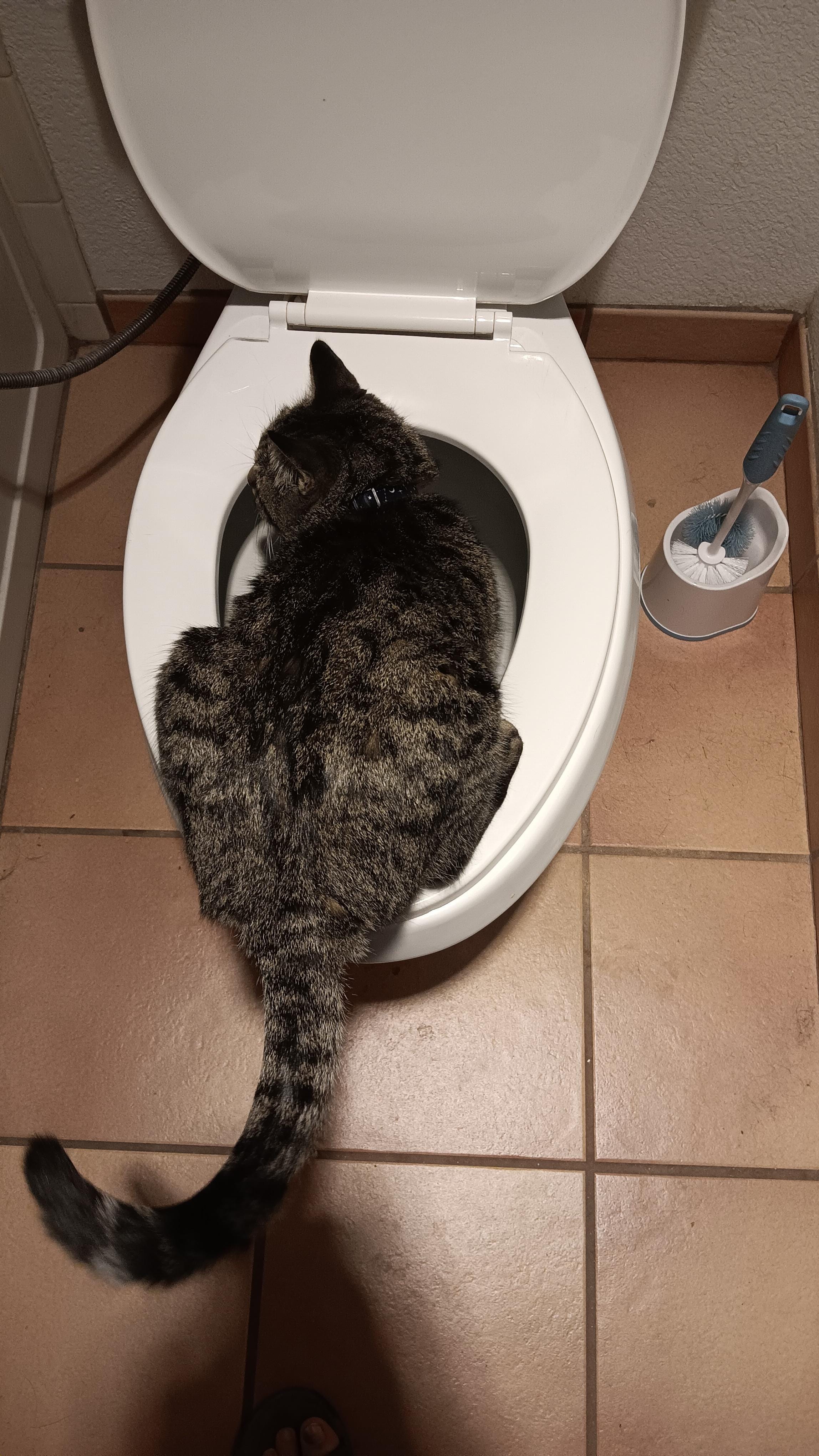
It’s a common, yet concerning, sight for pet owners: their dog or cat lapping water from the toilet bowl. While the water in the toilet tank begins as clean tap water, the toilet bowl itself can harbor bacteria and contain residual chemicals from cleaning products, posing potential risks to your pet. This article delves into the reasons behind this behavior, when to seek veterinary advice, and practical strategies to discourage it, ensuring your pet stays safe and hydrated.
Understanding What’s in Toilet Water
The water in your toilet tank is initially the same clean water supplied to your faucets. However, the journey to the bowl involves mixing with various bacteria, even in toilets that are cleaned regularly. Over time, cleaning chemicals and deodorizers can also linger, contaminating the water. While a study by the Journal of Applied Microbiology found toilet seats to be “cleaner” than some kitchen sponges, the toilet bowl environment is far from sterile and not a recommended water source for pets. The presence of bacteria and potential chemical residues makes it unsafe for animal consumption.
Safety Concerns of Toilet Water for Pets
According to Dr. Renee Schmid, a senior veterinary toxicologist at the Pet Poison Helpline, while most pets won’t suffer life-threatening consequences from drinking toilet water, it’s certainly not an ideal habit. Ingesting contaminated water can lead to gastrointestinal issues such as vomiting and diarrhea. Furthermore, any diluted medications or vitamins from human waste could be present in the toilet bowl, although in low concentrations.
Risks Associated with Toilet Cleaning Products
The danger increases if pets ingest toilet cleaning products. Dr. Schmid explains that diluted automatic cleaners or deodorizers might cause mild mouth irritation and an upset stomach. However, ingesting undiluted products, like undissolved cleaning tablets, poses a significant risk of serious poisoning. Many household cleaners have high pH levels, making them irritants to a pet’s mouth, esophagus, and stomach, potentially causing ulceration. Signs of such irritation include drooling, vomiting, reluctance to eat, and pawing at the mouth. If you observe these symptoms, immediate veterinary attention is crucial.
Why Are Pets Drawn to the Toilet Bowl?
Several factors can explain a pet’s attraction to the toilet bowl as a water source, according to certified animal trainer Brett Reynolds:
- Perceived Freshness and Temperature: Lukewarm or stagnant water in a pet’s regular bowl might make the cooler toilet water seem more appealing and refreshing.
- A Sense of Security: The bathroom can offer a quiet, private space where pets feel safer to drink without disturbance.
- Attention-Seeking Behavior: Negative reactions like scolding or removing a pet from the toilet can inadvertently reinforce the behavior, as pets often seek attention.
- Underlying Health Issues: Unusual thirst or seeking water from unconventional sources can sometimes signal medical problems like diabetes, poisoning, or kidney disease. Excessive thirst in both cats and dogs warrants a veterinary check-up.
Strategies to Discourage Toilet Drinking
If your pet exhibits excessive thirst or unusual hydration habits, consulting a veterinarian is the first step to rule out any underlying health conditions. Once a clean bill of health is established, consider these strategies recommended by Reynolds:
- Physical Barriers: Consistently keep the toilet lid closed and the bathroom door shut. Consider installing a child safety lock on the toilet lid for added security.
- Enrichment and Exercise: Ensure your pet receives adequate daily exercise and playtime, which can reduce anxiety and redirect their focus.
- Water Station Optimization:
- Place your pet’s primary water bowl in a quiet, low-traffic area, or even in the bathroom if that’s their preferred spot.
- Provide multiple accessible water bowls throughout the house.
- Clean and refresh water bowls daily.
- Add a few ice cubes to their water to keep it cooler and more appealing.
- Consider a larger water bowl.
- Experiment with different bowl materials (e.g., ceramic, stainless steel).
- Invest in a pet drinking fountain, which circulates water and may entice them with movement and filtration.
Frequently Asked Questions
What if my dog drank toilet water with a cleaning tablet?
Monitor your dog closely for signs of mouth or gastrointestinal irritation, such as drooling, vomiting, loss of appetite, or blood in stool. If any of these symptoms appear, or if your dog seems lethargic, seek immediate veterinary care.
Are there pet-safe automatic toilet bowl cleaners?
While diluted automatic cleaners are generally less harmful, it’s best to avoid them. The most effective approach is to prevent access by keeping toilet lids closed. If you opt for cleaning products, choose those specifically labeled as non-toxic and pet-safe. However, the simplest and most reliable solution remains ensuring the toilet lid is always down.
For immediate concerns about toxic ingestion or if your pet requires urgent medical attention, the Pet Poison Helpline can be reached 24/7 at 855-764-7661.
