
It can be incredibly frustrating when your feline companion develops a new, destructive habit, especially one that disrupts your sleep and threatens your rental property. If your 7-month-old cat has recently started scratching the walls at night, waking you up with an unnerving sound, you’re not alone. This behavior, while alarming, is often a sign that something in your cat’s environment or routine needs adjustment. Understanding the root cause is the first step towards regaining your peace and protecting your home.
Understanding Your Cat’s Nighttime Scratching
Your cat’s sudden shift in behavior, from sleeping soundly to scratching walls at disruptive hours, suggests an underlying issue. While it’s easy to attribute this to spite or defiance, cats generally act out of instinct, unmet needs, or stress. The scratching might be a way for him to communicate discomfort, boredom, or a change in his environment.
Potential Causes for Wall Scratching
Several factors could be contributing to your cat’s new habit:
- Boredom and Excess Energy: Even indoor cats need ample stimulation. If your cat isn’t expending enough energy during the day, he may resort to destructive behaviors at night to entertain himself. The hole he ripped in your bed could have been a symptom of this pent-up energy.
- Attention Seeking: While you try to ignore him, any reaction, even negative, can reinforce the behavior. Your current method of banging on the wall or locking him in a carrier, while understandable, might be inadvertently teaching him that wall-scratching gets a reaction.
- Environmental Changes: You mentioned opening the bedroom door during autumn and winter for heating. This change in routine and access could be a trigger. Cats are creatures of habit, and even subtle shifts can affect their behavior.
- Stress or Anxiety: Changes in environment, routine, or even perceived threats can cause stress. Your cat might be scratching walls as a coping mechanism.
- Marking Territory: Scratching is a natural feline behavior used to mark territory, both visually and through scent glands in their paws. If he feels insecure about his territory, he might engage in more marking behaviors.
- Nail Maintenance: While less likely to be the sole cause of wall-scratching, cats do need to maintain their claws.
Addressing the Behavior
It’s crucial to address this behavior before it becomes deeply ingrained and causes further damage. Punitive measures, like banging on the wall or temporary confinement, often have limited success and can create fear or anxiety. Instead, focus on positive reinforcement and environmental enrichment.
Increase Daytime Play and Stimulation: Schedule at least two 15-20 minute play sessions with your cat daily, using interactive toys like feather wands or laser pointers. Consider puzzle feeders for his dry food to provide mental stimulation. This helps expend energy and reduce boredom.
Provide Appropriate Scratching Outlets: Ensure your cat has a variety of scratching posts – vertical, horizontal, cardboard, sisal rope – placed strategically around the house, especially near areas he frequents and, importantly, near the walls he’s scratching. You can initially make these more appealing with catnip.
Consider trying a cat social behavior enrichment activity that encourages natural instincts.
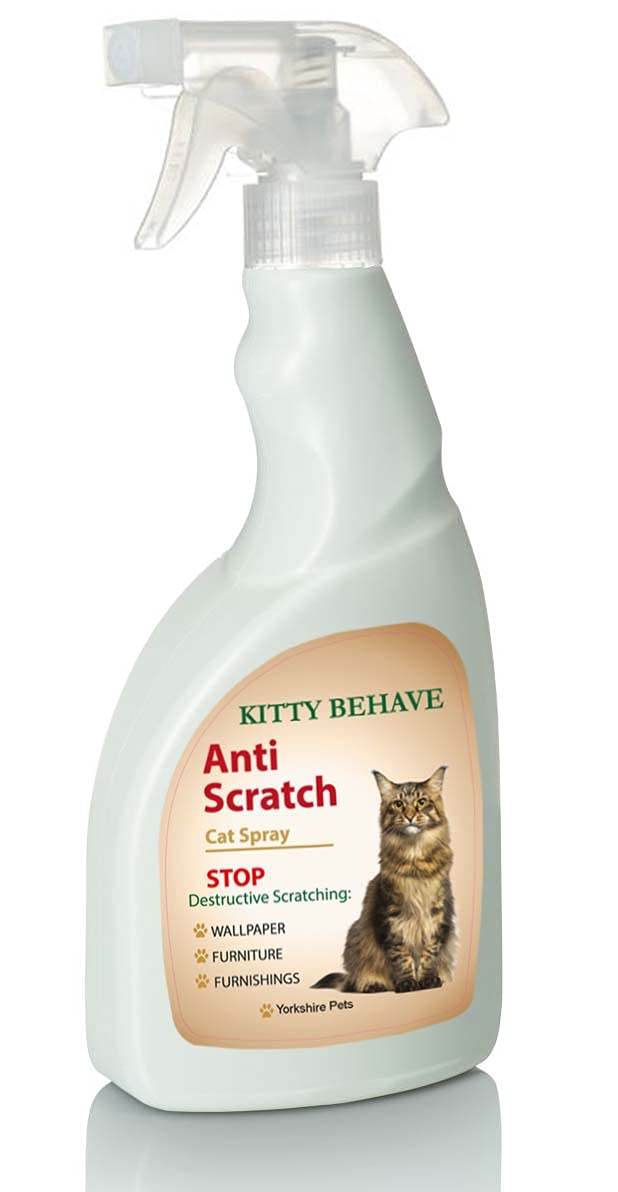
Make Walls Less Appealing: The citrus spray might work temporarily, but it’s not a sustainable solution. Instead, try double-sided sticky tape or aluminum foil on the walls he targets. Cats generally dislike these textures. You can also consider commercial deterrent sprays specifically designed for cats.
Establish a Consistent Routine: Try to feed him and engage in a play session right before your bedtime. This can help him settle down for the night.
Manage Bedroom Access: If opening the door for warmth is the issue, explore alternative heating solutions for the bedroom or ensure he has a warm, comfortable bed outside the room that he finds appealing. If he’s scratching doors, try placing scratching posts nearby.
If he begins scratching at the door to get in, it might be related to my cat is meowing at the door behaviors, indicating a desire for access or attention.
Positive Reinforcement: When you see him using his scratching posts, offer praise and perhaps a small treat. Redirect him gently to his scratching post if you catch him starting to scratch the walls.
It’s important to be patient and consistent. If the behavior persists or you suspect an underlying medical issue, consult your veterinarian or a certified feline behaviorist. They can help rule out any health problems and provide tailored advice for your specific situation. Addressing your cat’s needs for play, stimulation, and appropriate outlets for natural behaviors is key to resolving this disruptive issue and maintaining a harmonious home.
