
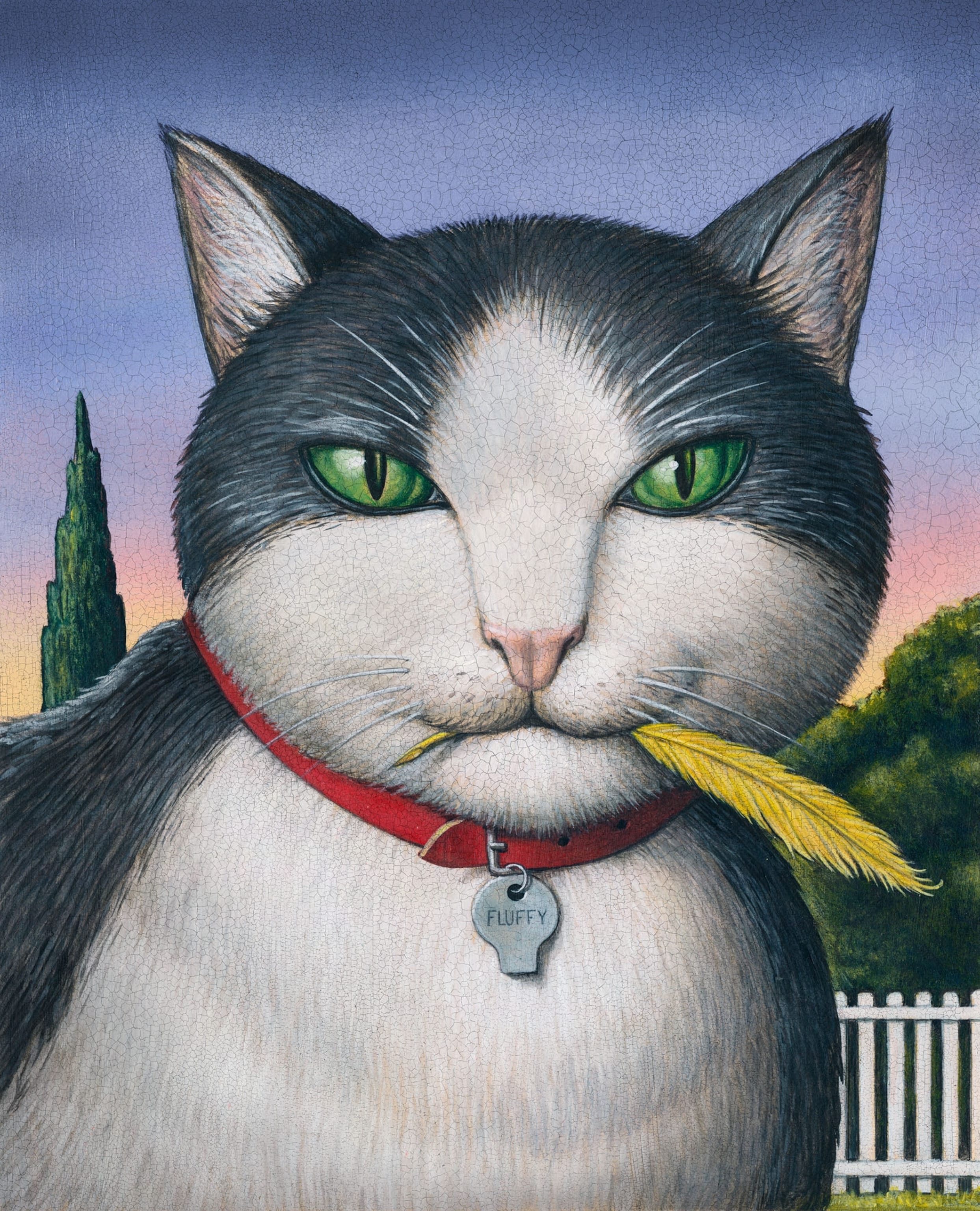
Attracting birds to your backyard with feeders is a rewarding experience, but it can also inadvertently draw unwanted attention from outdoor cats. Feral and domestic cats pose a significant threat to bird populations globally, with an estimated 2.4 billion birds killed by cats in the United States annually. This issue extends beyond North America, impacting ecosystems worldwide. Domestic cats, not being a natural part of most environments, are highly effective predators that can threaten native wildlife. This guide will explore the dangers outdoor cats present to birds and other wildlife, discuss the risks to cats themselves, and offer solutions for a harmonious coexistence.
The Dangers of Outdoor Cats
Outdoor cats are a primary threat to birds and other small wildlife. Their natural hunting instincts, honed through evolution, make them skilled at stalking prey on the ground or at low feeders. This predatory behavior is not the cat’s fault but a result of their natural development.
Risks to Cats Themselves
Allowing cats to roam freely outdoors exposes them to numerous dangers. These include:
- Vehicle Collisions: A significant risk, leading to severe injury or death.
- Diseases and Parasites: Exposure to illnesses like FIV and Feline Leukemia, as well as parasites such as roundworms, heartworms, ticks, and fleas, which can be transmitted by other wildlife.
- Fights and Interactions: Encounters with other cats, as well as dangerous wildlife like skunks, raccoons, porcupines, foxes, and coyotes.
- Harsh Weather and Environmental Hazards: Cats can suffer from extreme weather conditions, get stuck in trees, or become entangled in plants.
- Poisoning: Accidental ingestion of poisoned prey (e.g., rodents that have consumed rat poison) or toxic plants found outdoors.
- Getting Lost: Despite owners’ confidence in their cat’s navigation skills, many cats become lost and end up in shelters.
Furthermore, outdoor cats can contract and transmit diseases like toxoplasmosis to humans, posing a particular risk to pregnant women and individuals with compromised immune systems.
Why Indoor Cats are the Safest Option
The safest and most effective way to protect both birds and cats is to keep pet cats indoors. This not only prevents cats from harming wildlife but also safeguards them from the myriad dangers of the outdoors. While some may argue that certain measures can prevent cat attacks on birds, such as hanging feeders at a specific height, these are largely ineffective. Birds often drop food, attracting ground-feeding species that are highly vulnerable to cat predation. Baby birds on the ground are also at significant risk. Cats are also known to climb, posing a threat to birds at feeders even from elevated positions.
Respecting Neighbors and Local Bylaws
Allowing cats to roam freely can also lead to conflicts with neighbors. Many communities have bylaws against cats roaming onto private property. Unsupervised cats may use neighbor’s yards as litter boxes, dig in gardens, or disturb local wildlife, which is disrespectful to property rights and the efforts of neighbors to protect local fauna. Implementing “no-roam” bylaws places the responsibility for pet cats where it belongs—with their owners. The city of Calgary, for example, has an effective model that includes licensing, no roaming at large, subsidized spay-neuter programs, and public awareness campaigns, leading to high compliance rates.
Beyond Birds: Impact on Broader Wildlife and Ecosystems
The predatory nature of outdoor cats extends beyond birds. They hunt and kill small mammals, reptiles, amphibians, and insects, disrupting local ecosystems. Unlike natural predators, domestic cats often hunt without the intention of consumption, leading to unnecessary loss of life. Their diurnal behavior, combined with a lack of fear towards humans, makes them formidable predators, especially in areas frequented by people.
A cat’s mouth harbors a significant amount of bacteria, meaning that even if a wild animal survives an attack, a bite can lead to a fatal infection. Additionally, the practice of cats leaving “presents” of dead rodents or birds at their owners’ doorsteps can be an unpleasant aspect of outdoor cat ownership that is easily avoided by keeping them indoors.
Common misconceptions, such as a cat being “too old to hunt” or “just watching birds,” are inaccurate. Cats remain predators regardless of age, and their hunting instincts can manifest even when seemingly in familiar environments. During spring and summer, when birds are nesting and raising young, the risk of predation increases significantly, with cats potentially disturbing nests or preying on entire clutches of baby birds.
Alternatives for Outdoor Enjoyment
For cat owners who wish to provide their pets with outdoor experiences safely, several options exist:
- Window Feeders: Placing feeders directly on windows allows cats to observe birds from the safety of indoors. Window feeders are a popular choice for entertaining pets.
- Catios: These are enclosed outdoor spaces, or “cat patios,” that allow cats to enjoy fresh air and observe wildlife without posing a threat.
- Supervised Leash Time: Taking cats outdoors on a leash under direct supervision allows them to experience the outdoors while ensuring the safety of both the cat and local wildlife.
Addressing Feral Cats at Feeders
If feral cats are a problem at your bird feeders, some measures can help reduce the likelihood of attacks:
- Feeder Placement: Position feeders at least 10 feet away from bushes or other ground cover. Prune low branches of trees and shrubs to eliminate hiding spots.
- Barriers and Fencing: Install barriers at the base of trees and shrubs to slow down cats. A low fence around feeders with mesh large enough for birds but small enough to deter cats can provide birds with a crucial escape advantage. Avoid ground feeding trays to minimize birds congregating on the ground.
- Pest Deterrents: Ultrasonic devices, motion-activated sprayers, or specific deterrent sprays may help discourage cats from approaching feeders.
By implementing these strategies, we can work towards creating a safer environment for birds and other wildlife, while also ensuring the well-being of our feline companions.
