
Welcoming a new litter of kittens is an exciting time for any cat owner. While cats are generally adept at managing pregnancies and births independently, providing proper care and understanding the stages of cat pregnancy can significantly contribute to the health and safety of both the mother cat and her future kittens. This guide will walk you through everything you need to know, from the gestation period and identifying signs of pregnancy to essential dietary needs, healthcare, and preparing for the arrival of your new feline family members.
Understanding Cat Pregnancy
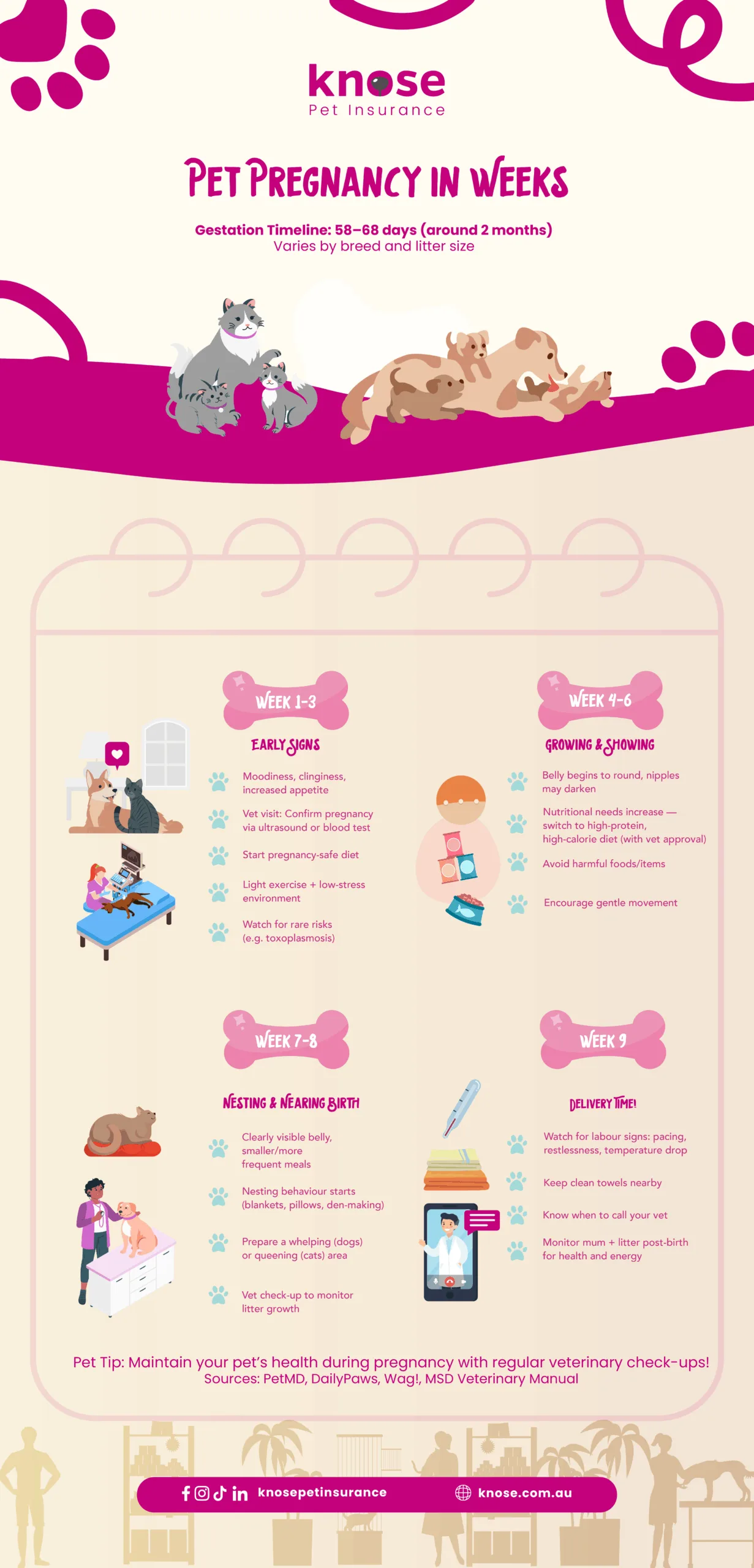
The gestation period for cats typically lasts around two months, averaging between 63 and 65 days. This period is often divided into three trimesters, each lasting approximately 20 days, although distinguishing the first two trimesters at home can be challenging.
Signs of Pregnancy in Cats
Early detection of pregnancy can be difficult. Around 16-20 days into gestation, a noticeable change occurs in the nipples, known as “pinking up,” where they become pinker and more prominent. During the initial trimesters, pregnant cats may exhibit increased affection and a more docile demeanor.
As the pregnancy progresses into the final trimester (the last 20 days), your cat’s belly will visibly distend, and her nipples and breast tissue will swell noticeably, indicating the kittens are growing and her body is preparing for birth. You might also observe increased grooming of her abdominal area and the region under her tail. Furthermore, she will likely begin searching for a safe and secluded spot to nest and give birth.
Stages of Cat Pregnancy
First Trimester (Days 1-21): During this initial phase, most pet parents will notice minimal changes in their cat’s appearance or behavior. Subtle increases in appetite might occur, and nipple changes may begin.
Second Trimester (Days 21-42): More pronounced physical and behavioral changes start to emerge. Your cat’s belly will begin to enlarge, and she may become calmer and more affectionate.
Third Trimester (Days 42-63): Pregnancy becomes significantly evident. Her abdomen will swell considerably, and nipple and breast changes will be more pronounced. Appetite can increase dramatically, and she will likely start exhibiting nesting behaviors, seeking out a hidden, quiet spot for delivery. Increased licking of her belly and vulva is also common.
Determining Gestational Age
Accurately pinpointing a cat’s due date can be challenging, especially if the pregnancy was unplanned. A veterinarian can often palpate (feel) the fetuses around two and a half weeks into the pregnancy. Ultrasounds can detect heartbeats between three and four weeks, and X-rays can visualize the kittens’ skeletons after about six weeks. These milestones, combined with observed physical and behavioral changes, can help estimate the stage of pregnancy. It’s also important to rule out pseudopregnancy (false pregnancy), a rare condition where a cat may show signs of pregnancy, including lactation, without carrying kittens. A veterinary visit is crucial for confirmation and to address any potential health concerns.
Essential Care for Pregnant Cats
Providing a comfortable and safe environment is paramount for a successful pregnancy and delivery. This includes ensuring she has a quiet, secluded spot furnished with soft bedding like cat blankets, towels, or old sheets within a box or a covered cat bed. While the nesting area should be private, it should also allow for discreet observation to ensure the birth progresses safely.
Nutritional Needs
Pregnant cats require a high-calorie diet to support the development of healthy kittens. It’s recommended to transition to a commercial cat food specifically formulated for pregnancy and lactation or a kitten growth formula. Products like Royal Canin® Mother & Baby Cat dry food and its accompanying wet food are excellent choices. This specialized diet should be maintained until the kittens are weaned. Due to the growing fetuses taking up abdominal space, pregnant cats may eat less at each meal, so offering frequent, smaller meals throughout the day is important.
Vaccinations and Parasite Prevention
Ideally, cats should be vaccinated before becoming pregnant to protect against illnesses that could harm developing fetuses or cause pregnancy loss. If a cat is already pregnant and not vaccinated, it’s generally advised to wait until after she gives birth, though your veterinarian may recommend certain killed vaccines if deemed necessary. Live vaccines are contraindicated during pregnancy.
Parasite prevention can continue during pregnancy using products approved as safe for pregnant cats, such as Frontline Plus. It is crucial to consult your veterinarian regarding safe and effective parasite control. Submitting a fecal sample for worm testing is also recommended, as intestinal worms can be transmitted to kittens and hinder their growth. Your vet can prescribe appropriate dewormers.
Monitoring for Illness
Cats are masters at hiding discomfort, making vigilant observation essential. Seek veterinary attention immediately if your pregnant cat exhibits signs of illness such as loss of appetite, diarrhea, or vomiting. Any vaginal discharge, particularly if it is bloody, is abnormal at any stage of gestation and requires an urgent veterinary visit.
Preparing for Labor and Delivery
As your cat approaches her final trimester, provide her with a comfortable, draft-free nesting box lined with soft materials. This private space allows her to feel secure and facilitates monitoring without causing undue stress. The nesting area should be maintained at a temperature of around 85–90°F for the first week of the kittens’ lives. Ensure there are no loose strings or fabrics that could pose a choking or obstruction hazard.
Signs of Approaching Labor
Behavioral changes often signal the onset of labor. Most cats will stop eating the day before delivery and may appear agitated, scratching at their nesting spot. A drop in rectal temperature below 100°F can indicate labor is imminent. The first stage of labor involves internal contractions that may not be visibly apparent. The second stage is characterized by active straining as kittens are pushed through the birth canal, typically taking 5 to 30 minutes per kitten. Kittens are usually born within a sac, often headfirst. The third stage involves the passage of the placenta. It’s normal for the mother cat to consume the placentas.
While it’s important to monitor the birthing process, minimal interference is best unless complications arise. Cats may pause labor between kittens for up to 24–36 hours, especially if they feel unsafe. If prolonged, intense contractions occur without producing a kitten, or if a visible kitten does not pass within 10 minutes, contact your veterinarian immediately.
Postpartum Care for Mother and Kittens
After delivery, ensure all kittens are dry, with clear airways. Clean soiled bedding to maintain a warm and dry environment for the newborns. Healthy kittens typically nurse without assistance. Monitor the mother cat to confirm she is allowing and encouraging nursing behaviors. If you suspect your cat is rejecting her kittens, seek veterinary advice promptly.
Frequently Asked Questions About Cat Pregnancy
At what age can a cat get pregnant?
Cats can become pregnant as early as four months old, though five to six months is more common. Early spaying is crucial to prevent unwanted pregnancies.
How long does it take a cat to give birth?
The gestation period is 63–65 days. The entire birthing process, from the start of active labor to the delivery of the last kitten, usually concludes within six hours.
What does a pregnant cat look like?
Physical changes become apparent in the later stages, including a noticeably enlarged abdomen and darker nipples. Just before birth, the nipples and breast tissue will enlarge further in preparation for milk production.
Can a cat get pregnant while nursing?
Yes, cats can conceive while nursing. Their reproductive cycle allows them to come into heat multiple times a year, irrespective of whether they are nursing.
