
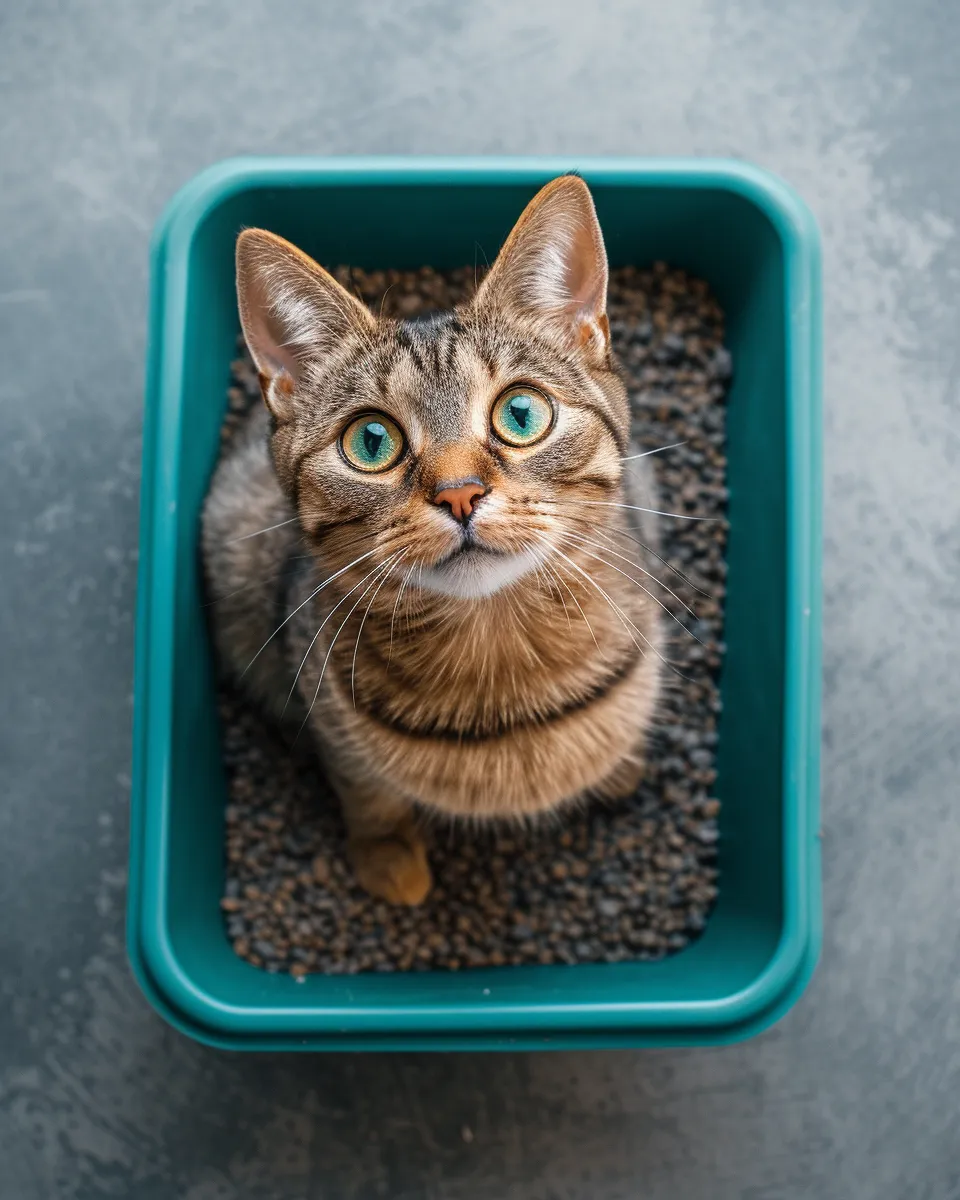
Transitioning your feline friend to a litter box is a fundamental aspect of responsible pet ownership, ensuring a cleaner home and a happier cat. While most cats instinctively take to a litter box, sometimes a little extra help is needed. This is where a Cat Potty Training Kit can become an invaluable tool, offering a structured approach to guide your cat through the process. We’ll delve into what makes these kits effective, how to use them, and tips for success to help your cat master this essential skill.
Understanding Your Cat’s Needs and Instincts
Cats are naturally fastidious creatures. In the wild, they bury their waste to avoid detection by predators and to keep their living areas clean. This instinct is deeply ingrained, which is why most cats readily accept a litter box. However, several factors can influence a cat’s willingness to use their designated potty spot:
- Litter Type: Some cats are particular about the texture and scent of their litter.
- Box Location: Privacy, accessibility, and a clean environment are crucial.
- Box Size and Type: Too small, too high, or covered boxes can deter some cats.
- Stress or Anxiety: Changes in the household, new pets, or health issues can lead to litter box aversion.
- Underlying Medical Conditions: Urinary tract infections or other health problems can make using the litter box painful.
A cat potty training kit aims to leverage these instincts and address potential issues in a systematic way, making the transition smoother for both you and your cat.
What is a Cat Potty Training Kit?
A typical cat potty training kit is designed to gradually acclimate your cat to using a human toilet. These kits usually consist of a series of rings or trays that fit over your toilet seat. They start with a larger receptacle filled with litter, and as your cat becomes accustomed to it, you progressively remove smaller rings, widening the central hole. This process encourages your cat to balance on the toilet seat and aim for the water below.
The core principle is to make the change gradual, reducing stress and allowing the cat to adapt at its own pace. By mimicking the natural instinct to bury waste in a larger “hole,” these kits can be very effective.
How to Use a Cat Potty Training Kit: A Step-by-Step Approach
Patience and consistency are key when using a cat toilet potty training kit. Rushing the process can lead to setbacks. Here’s a general guide on how to use most kits:
Initial Setup:
- Remove your cat’s current litter box.
- Place the training kit’s largest, solid ring onto the toilet bowl, under the seat.
- Fill this ring with flushable cat litter.
- Introduce your cat to this new setup. Ensure the bathroom is quiet and accessible.
Encouraging Use:
- When you notice your cat needing to go, gently guide them to the training ring.
- Praise and reward them with treats or affection when they use it successfully.
- Clean the ring regularly, just as you would a litter box.
Gradual Transition:
- Once your cat is consistently using the solid ring for about a week, it’s time to introduce the next stage.
- Replace the solid ring with the one that has the smallest central hole.
- Continue to fill the ring with litter, but now some waste will fall into the toilet water. This helps your cat understand the new target.
Progressive Hole Widening:
- As your cat becomes comfortable with each stage, you’ll progressively switch to rings with larger central holes.
- You’ll also gradually reduce the amount of litter used. The goal is for the cat to eventually eliminate directly into the toilet water without litter.
- Each transition should last at least a week, or until your cat shows no signs of distress or avoidance.
Final Stage:
- The final ring usually has a very large opening, leaving only the outer rim. At this point, most cats will be comfortable perching on the toilet seat itself.
- You may remove the training system entirely at this stage, or use a very small amount of litter in the remaining ring.
- Continue to flush the toilet after each use, just as you would if your cat were using a litter box, to dispose of the waste.
Tips for a Smoother Transition
- Flushable Litter is a Must: Always use litter that is safe to flush down the toilet. Non-flushable litter can cause serious plumbing issues.
- Location, Location, Location: Ensure the toilet is in a quiet, easily accessible location for your cat. Avoid high-traffic areas.
- Cleanliness is Paramount: Keep the toilet and the training kit clean. Cats are fastidious and will avoid a dirty toilet.
- Positive Reinforcement: Never punish your cat for accidents. This will only create fear and anxiety. Instead, focus on rewarding successful attempts.
- Monitor for Stress: Watch for signs of stress, such as increased vocalization, hiding, changes in appetite, or accidents outside the training area. If you see these signs, slow down the process or consider reverting to an earlier stage.
- Consider the Toilet Seat: Some cats may find it easier to balance if the toilet seat is down. You might need to experiment to see what works best for your individual cat.
- Patience, Patience, Patience: Every cat learns at its own pace. Some may master toilet training in a few weeks, while others might take several months.
When to Consider Alternatives: Cat Toilet Training System Challenges
While a cat toilet training system can be a rewarding endeavor, it’s not suitable for every cat or every household. It’s important to recognize when this method might not be the best fit:
- Elderly or Arthritic Cats: Cats with mobility issues may struggle to balance on the toilet seat.
- Kittens: Very young kittens may not have the dexterity or strength to navigate the training process safely.
- Cats with Health Problems: If your cat has recurring urinary issues, digestive problems, or other health concerns, it’s best to stick with a litter box for easier monitoring.
- Multi-Cat Households: Managing toilet training for multiple cats can be challenging, as each cat may learn at a different pace, and they may not want to share a toilet.
- Your Own Comfort Level: Are you prepared for potential accidents during the training period? Are you comfortable with the idea of your cat using the human toilet?
If toilet training proves too stressful for your cat or unfeasible for your household, traditional ways to litter train a kitten or an adult cat remain excellent and effective alternatives. A standard litter box setup is often the most practical and stress-free solution for many cat owners. For those interested in a more hands-off approach to waste management, exploring advanced litter box solutions might be beneficial.
The Benefits of Successful Toilet Training
Achieving successful toilet training for your cat offers several advantages:
- No More Litter Box Cleaning: This is perhaps the most appealing benefit for many owners. You eliminate the daily scooping and regular full box changes.
- Odor Reduction: Properly flushed waste significantly reduces household odors associated with litter boxes.
- Cost Savings: Over time, you can save money on litter purchases.
- Cleaner Home: Eliminates litter tracking throughout the house.
- Novelty and Accomplishment: It’s a unique skill that many owners find rewarding to teach their pets.
Conclusion: Is Toilet Training Right for Your Cat?
Using a cat potty training kit can be a practical and effective way to train your feline companion to use a human toilet. By following a gradual, patient approach and understanding your cat’s individual needs, you can increase your chances of success. Remember that positive reinforcement and a keen eye for your cat’s comfort are paramount throughout the process.
If you’re looking for a more advanced solution and your cat is a good candidate, investing time in training your cat to use the toilet can lead to a cleaner, more convenient lifestyle for everyone involved. However, always prioritize your cat’s well-being and be prepared to revert to traditional potty train a cat methods if toilet training proves too difficult or stressful. The ultimate goal is a happy, healthy cat, regardless of how they manage their bathroom needs.
