
It’s a common concern for multi-cat households: when do playful antics turn into genuine conflict? Observing your feline companions engage in chasing, hissing, and pouncing can leave you wondering, “Are my cats playing or fighting?” Differentiating between the two is crucial for maintaining a harmonious environment. By paying close attention to their body language and their behavior towards each other outside of these energetic sessions, you can gain valuable insights. This understanding is key to addressing any underlying tension and fostering positive relationships between your pets. Sometimes, understanding a cat’s aggression can be as simple as learning to stop cats from scratching furniture.
Understanding Feline Body Language
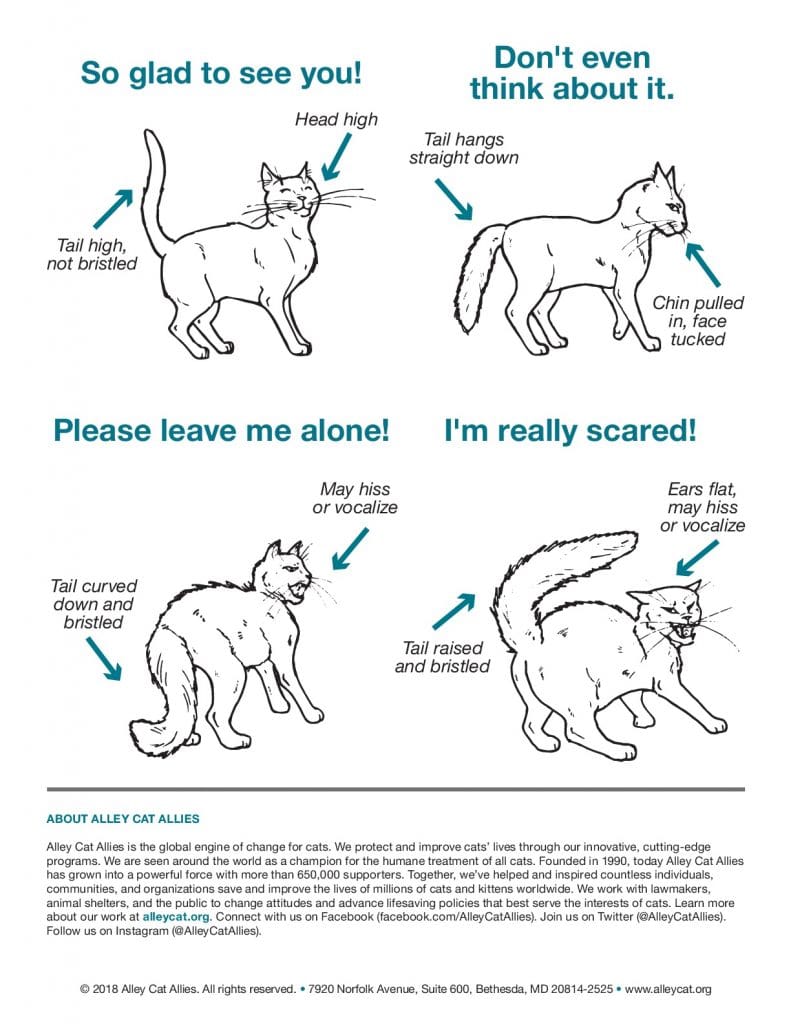
Body language is a cat’s primary mode of communication, and it offers significant clues when trying to decipher play versus aggression. Both playful sparring and genuine fights can involve chasing and vocalizations like hissing. Play fighting, however, often has subtle indicators that differentiate it from a true conflict.
When cats are playing, they tend to engage in a back-and-forth dynamic, where each cat takes turns being on the receiving end of a playful pounce. You might also notice brief pauses for rest, indicating a controlled interaction. Look for relaxed body postures, forward-pointing ears, and a general ease in their movements. These are strong indicators that your cats are simply enjoying a lively game.
Conversely, signs of genuine aggression include flattened ears, ears held back against the head, or a puffed-up appearance of their fur and tail. Defensive stances, leaning away from each other while hissing with bared teeth, signal that a cat feels threatened and is not engaging in play. If one cat is relentlessly chasing another to the point of hiding, or if injuries are inflicted, the interaction has clearly crossed the line from play to fighting.
Observing Interactions Outside of Playtime
The way your cats interact when they are not actively engaged in chasing or wrestling can provide further clarity on the nature of their relationship. If your cats frequently groom each other, share sleeping spaces through cuddling, or generally coexist peacefully, it’s a strong indication that their more boisterous moments are indeed just play.
However, if one or both cats seem to feel bullied or consistently tense around each other, it might be a sign of ongoing conflict. In such cases, you might observe them actively avoiding each other, or even resorting to hissing and growling when the other cat approaches. Accidental touches might elicit a strong, negative reaction. You may also notice signs of insecurity in one or both cats, such as increased hiding, eliminating outside the litter box, spraying in inappropriate areas, or exhibiting destructive behaviors, even lashing out at you. It’s important to address situations where a cat is aggressive with you as this can be a symptom of underlying stress.
Strategies to Foster Amity Between Cats
If you suspect your cats are genuinely fighting rather than playing, there are several effective strategies you can employ to help them get along. It’s important to intervene early to prevent escalation.
One immediate approach is to redirect their attention with engaging toys, like a feather wand, at the first sign of escalating tension. Remember, never physically step between fighting cats or attempt to forcibly separate them, as this can lead to injury for you and the cats.
Consider using calming pheromone diffusers, such as Comfort Zone Multi-Cat Diffusers, in the rooms where your cats spend the most time. These diffusers release odorless, drug-free vapors that mimic natural feline pheromones, signaling safety, security, and calmness. For cats experiencing tension, these diffusers can help create a more serene atmosphere. Additionally, the BreakAway Comfort Zone Calming Collar can provide continuous comfort for each cat in the household.
Enriching your cats’ environment with ample activities can significantly reduce stress and prevent them from taking out nervous energy on each other. Provide vertical spaces like window perches, condos, and cat trees in multiple rooms, allowing them to establish their own territory. Offer a variety of interactive toys and dedicate time for engaging play sessions. Introducing clicker training can also provide a beneficial mental workout for your cats. If your cats are accustomed to it, even supervised outdoor excursions with a cat harness and leash can be a positive outlet. Addressing issues like cat pacing and meowing can also be part of a broader strategy to reduce anxiety.
The Process of Reintroduction
In situations where redirection and environmental enrichment aren’t sufficient, a more structured approach may be necessary: reintroducing your cats as if they are meeting for the first time. This process requires patience and consistency.
Begin by keeping your cats in separate rooms, allowing them to acclimate to each other’s scent through scent swapping (e.g., rubbing a cloth on one cat and placing it in the other’s space). Feed them on opposite sides of a closed door, associating the other’s presence with a positive experience (food). Once they can remain calm while sensing each other’s presence, progress to feeding them on opposite sides of a screen or baby gate, allowing them to see each other without direct contact. Gradually, you can move to short, supervised visits in a neutral space. Over time, this controlled reintroduction helps them learn that the other cat is not a threat, potentially resolving issues like cat yowling in the morning.
Distinguishing between play and genuine fighting in cats can be challenging. However, by carefully observing their body language and overall interactions, and by implementing appropriate environmental enrichment and behavioral strategies, you can foster a more peaceful coexistence. If you remain uncertain about your cats’ behavior or the best course of action, don’t hesitate to consult a veterinarian or a certified cat behaviorist. With the right approach, most feline friendships can be nurtured and maintained.
References:
- Johnson-Bennett, Pam. “Are My Cats Fighting or Playing?” Cat Behavior Associates, https://www.catbehaviorassociates.com/are-my-cats-playing-or-fighting/.
- Union Lake Pet Services. “Is Your Cat a Bully?” Union Lake Veterinary Hospital, 18 January 2019, https://unionlakepetservices.com/blog/is-your-cat-a-bully.
- Moss, Laura. “How to Clicker Train Your Cats.” Adventure Cats, 11 October 2015, https://www.adventurecats.org/backcountry-basics/how-to-clicker-train-a-cat/.
