
Dental disease is a pervasive issue in domestic cats, with a staggering 50-90% experiencing some form by age four, according to Cornell University’s Feline Health Center. This prevalence is often attributed to cats’ natural aversion to oral hygiene practices and a lack of awareness among owners about the necessity of at-home dental care routines. This guide, compiled with insights from veterinary professionals, aims to illuminate the importance of cat dental care and provide practical strategies to prevent dental disease.
The Critical Importance of Dental Care for Cats
Just as in humans, cats accumulate bacteria and food debris on their teeth, forming plaque. This sticky biofilm, if not removed, leads to gum inflammation, known as gingivitis. While gingivitis is reversible with a professional cleaning, untreated cases can progress to irreversible damage of oral tissues and bone. The consequences extend beyond the mouth, as dental disease has been linked to serious systemic conditions, including kidney disease, liver disease, heart disease, and diabetes. Proactive dental care is one of the most significant contributions cat owners can make to their pet’s long-term health. Veterinarian Tonya Cooksey, DVM, emphasizes that “Dental problems seen in cats can be preventable with at-home care and routine exams of the mouth.” Understanding the need for at-home care is crucial to avoiding periodontal disease, a common term vets use for gum disease caused by plaque buildup.
Five Essential Steps for Your Cat’s Oral and Dental Health
While the thought of reaching into a cat’s mouth might seem daunting, several effective, science-backed methods can be employed even with reluctant felines.
1. Brushing Your Cat’s Teeth
Regular tooth brushing is the most effective method for removing plaque, the primary culprit behind painful and costly dental issues. Although veterinarians recommend daily brushing, aiming for at least twice a week is a realistic and beneficial goal. If direct brushing proves too challenging, other methods can still be effective.
Introducing Brushing Early: For kittens, accustoming them to having fingers in their mouth from a young age can make brushing a normal part of their routine as they mature. Dr. Cooksey notes, “When owners practice daily teeth brushing with kittens, it makes it part of a normal routine as they age.” Cats whose owners start this practice early and maintain it consistently have a significantly lower risk of developing dental problems. For adult cats, Cornell University’s College of Veterinary Medicine offers a four-week training program to help gradually introduce them to brushing.
Essential Supplies: Specialized cat dental care kits are readily available. These include toothbrushes with long handles for reaching back teeth and finger brushes with rubber bristles, both effective for plaque removal. Selecting a toothbrush style your cat tolerates is key. Cat-specific toothpaste, available in palatable flavors like seafood or chicken, can make the experience more enjoyable. It is crucial to avoid human toothpaste, as its high fluoride content can be toxic to cats.
Creating a Comfortable Experience: Choose a quiet time and position your cat comfortably on your lap, with their back towards you. Gently tilt their head back to access their teeth. Maintain a calm demeanor, take frequent breaks, and offer praise, treats, or petting to create a positive association with the process.
2. Regular Oral Inspections
Periodically, during a calm moment when your cat is resting or playing, gently lift their lips to inspect their mouth. Look for any signs of redness, swelling, or bleeding along the gum line, which could indicate gingivitis. Check for chipped teeth, lesions, or swelling inside the mouth, which might signal stomatitis, a condition affecting approximately 10% of cats. Persistent bad breath is another warning sign, potentially indicating an infection or a more serious underlying health issue, such as Feline Immunodeficiency Virus (FIV), which can lead to dental complications.
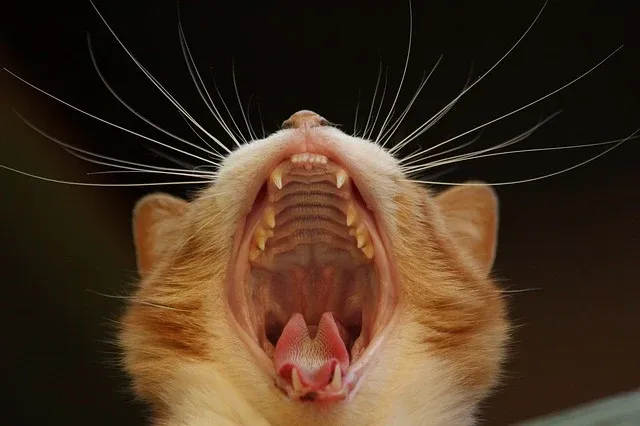
3. Selecting Appropriate Food and Treats
Unlike their wild ancestors who cleaned their teeth by tearing prey and chewing bones, domestic cats rely on their diet for dental benefits. Dr. Cooksey advises that “hard food or treats help scrape plaque and biofilm off the teeth,” provided the cat actually chews them. The size and shape of kibble can play a role in dental health, as highlighted in a study published in the Journal of Veterinary Dentistry. Dental diets and treats are specifically formulated to provide the necessary abrasive action to remove plaque. Consulting your veterinarian can help you identify the most suitable options for your cat.
The Role of Nutrition: A balanced diet is fundamental for a cat’s overall health, supporting the gut microbiome, which influences digestion and immune function. Inflammation stemming from gum disease can create a systemic hyper-inflammatory state, and similarly, an imbalanced gut microbiome contributes to widespread inflammation, making gums more susceptible to disease. A nutrient-rich diet that supports beneficial gut bacteria is therefore crucial for maintaining good dental health.
4. Professional Dental Exams and Cleanings
Regular veterinary check-ups, including professional oral exams and dental cleanings, are as vital for cats as they are for humans. During a professional cleaning, your cat will receive general anesthesia, allowing the veterinarian to thoroughly remove plaque and tartar, polish the teeth, and conduct a comprehensive examination, including below the gum line where most dental disease occurs. This is essential because teeth may appear healthy externally but harbor infection or decay beneath the gums. X-rays may be recommended to aid diagnosis. Early detection and treatment of periodontal disease are critical to prevent tooth loss, root damage, and jawbone deterioration. Reviewing your pet insurance policy can clarify coverage for dental procedures.
Anesthesia-Free Cleanings: While anesthesia-free cleanings might seem appealing and more affordable, they offer limited benefits as they do not allow for examination or cleaning beneath the gums, where significant dental issues often reside.
5. Supporting a Healthy Oral Microbiome
The oral microbiome, a complex ecosystem of bacteria and other microorganisms in your cat’s mouth, plays a role in dental health. Regular cleaning helps manage harmful bacteria linked to bad breath, while beneficial bacteria contribute to disease prevention and plaque reduction. Feeding these beneficial bacteria is essential. While numerous supplements and water additives exist, only a few have scientific evidence supporting their efficacy. For instance, KittyBiome Oral Cleanse Powder contains scientifically backed ingredients that reduce harmful bacteria like E. coli and prevent plaque accumulation.
Recognizing Signs of Dental Problems in Cats
Cat owners should be vigilant for signs of dental issues, as early detection of this very common feline condition can lead to effective treatment. If your cat exhibits any of the following symptoms, a veterinary assessment is recommended:
- Persistent bad breath
- Reluctance or difficulty eating
- Excessive drooling
- Bleeding in the mouth
- Discolored, cracked, loose, or chipped teeth
- Abnormal chewing patterns
- Apparent pain or pawing at the mouth
- Facial swelling, particularly under the eye, which can indicate a tooth root abscess
Special Considerations for Cats with Missing Teeth
Cats who are missing teeth, especially older cats, still require diligent dental care. The areas where teeth were previously present are more susceptible to infection due to bacterial growth in these pockets. Gentle brushing of the gums can help maintain cleanliness in these areas. It is advisable to discuss the specific dental and oral care needs of cats with missing teeth with your veterinarian, who may suggest dietary adjustments or more frequent dental cleanings. Regardless of the number of teeth, maintaining oral hygiene is crucial for your cat’s overall well-being. If you’re unsure where to begin, contact us for guidance and consider our oral testing kits for tailored recommendations.
