
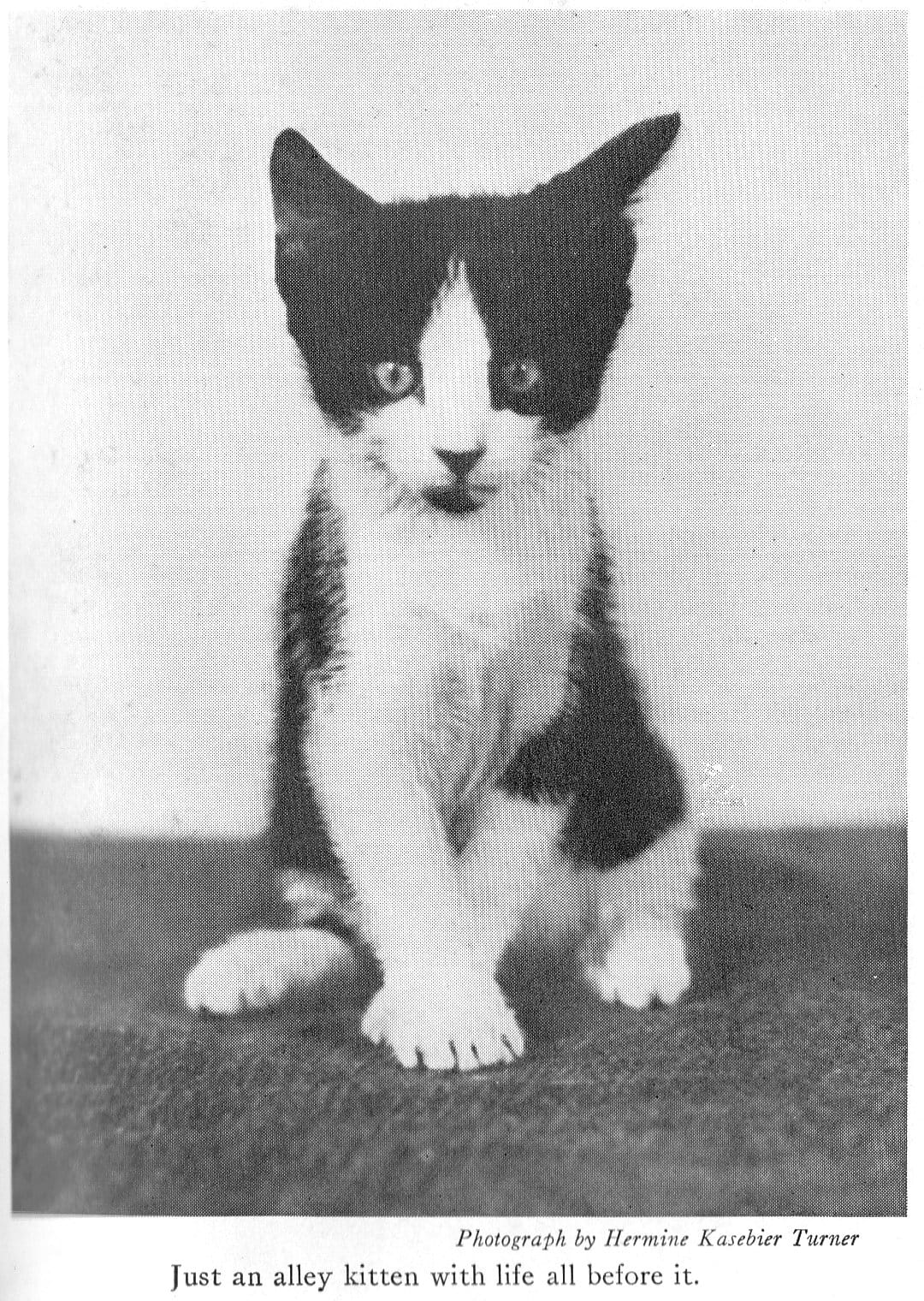
Losing their voice, or laryngitis, can be a concerning experience for any pet owner. While cats are known for their diverse vocalizations, from soft purrs to insistent meows, certain health issues can affect their larynx, also known as the voicebox. Understanding the causes, symptoms, and treatments for feline laryngitis is crucial for ensuring your cat receives prompt and appropriate care.
Understanding Feline Laryngitis
Laryngitis in cats occurs when the larynx becomes inflamed. This inflammation can stem from various factors, including irritation, illness, or physical obstructions within the throat. When the larynx is inflamed, a cat’s ability to meow and vocalize normally is directly impacted.
Common Causes of Cat Laryngitis
Several factors can lead to laryngitis in cats. Infectious diseases are a primary culprit, with upper respiratory infections (URIs), commonly known as cat colds, calicivirus, and rhinotracheitis being frequent causes. However, other conditions can also result in a cat losing its voice:
- Inhaled Irritants: Exposure to smoke, dust, or other airborne irritants can inflame the larynx.
- Laryngeal Blockage: Any obstruction within the larynx can impede airflow and vocalization.
- Foreign Object: An object lodged in the throat can cause irritation and inflammation.
- Laryngeal Nerve Paralysis: Damage or dysfunction of the nerves controlling the larynx.
- Hyperthyroidism: An overactive thyroid gland can sometimes contribute to laryngeal issues.
- Throat Growths: Benign or cancerous tumors in the throat can affect vocal cords.
- Eosinophilic Granuloma Complex: An inflammatory condition that can affect various parts of the body, including the larynx.
- Throat Cancer: Malignant tumors in the throat area.
Recognizing the Symptoms of Laryngitis in Cats
The specific symptoms of laryngitis can vary depending on the underlying cause. However, common signs to watch for include:
- Altered Vocalizations: Changes in the pitch, tone, or volume of your cat’s meow, or complete silence.
- Harsh, Dry Cough: A cough that may appear painful for the cat.
- Noisy Breathing: Wheezing or rattling sounds during respiration.
- Lowered Head Posture: Cats may hold their head in a lowered position while standing.
- Open-Mouth Breathing: Panting or breathing with the mouth open.
- Difficulty Swallowing: Indicating discomfort or obstruction in the throat.
- High-Pitched Breathing: Unusual sounds during inhalation.
- Increased Respiratory Effort: Visible strain when breathing.
- Bad Breath (Halitosis): Can indicate an underlying infection or other issue.
If laryngitis is a symptom of a viral illness like a cat cold, you might also observe typical cold symptoms such as watery eyes, nasal discharge, sneezing, decreased appetite, and lethargy.
When to Seek Veterinary Care
While some mild cases of laryngitis, particularly those caused by viral infections, may resolve on their own within a few days, it is crucial to consult a veterinarian. The underlying cause could be serious and require professional medical attention. Difficulty breathing or an inability to eat due to a sore throat are considered emergencies and warrant immediate veterinary care.
Treatment Options for Feline Laryngitis
The treatment approach for laryngitis in cats is highly dependent on the identified cause.
- Fluid Buildup: If fluid accumulates in the larynx, a veterinarian may prescribe a diuretic.
- Pain Management: For cats experiencing pain, mild painkillers may be administered.
- Foreign Body Removal: If a foreign object is lodged in the throat, surgery might be necessary to remove it, after which vocalization typically returns.
- Eosinophilic Granuloma Complex: Treatment may involve parasite control, as this condition can be an immune overreaction to insect bites. Corticosteroids may also be prescribed.
Beyond specific medical treatments, supportive care can help your cat recover. Running a humidifier can ease respiratory discomfort, and gently cleaning any eye or nasal discharge with a soft, damp cloth can improve comfort. Enhancing your cat’s immune system through a balanced diet and appropriate supplements may also be recommended.
Disclaimer: The information provided here is for general knowledge and informational purposes only, and does not constitute medical advice. It is essential to consult with a qualified veterinarian for any health concerns or before making any decisions related to your pet’s health or treatment.
Has your cat lost their voice? Contact us today to schedule an examination. Our veterinarians are equipped to provide a swift diagnosis and effective treatment for your feline friend’s laryngitis.
