
If your cat has suddenly started urinating outside the litter box and vocalizing excessively, you might be wondering, “Why is my cat peeing everywhere and meowing so much?” These behaviors can be alarming for pet owners and may indicate an underlying issue that needs veterinary attention. Cats communicate through their actions, and changes in litter box habits and vocalization are often their way of signaling distress, pain, or environmental discomfort. Let’s dive into the possible reasons behind these behaviors so we can help you determine when it’s time to seek professional care.
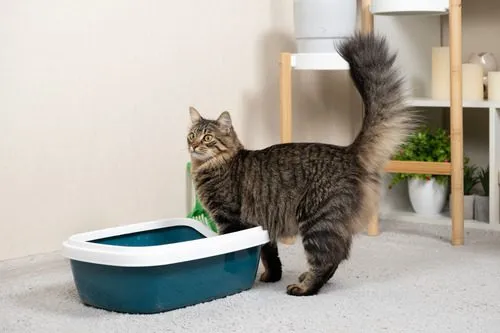 Cat stepping into a litter box
Medical Reasons Behind Urination and Vocalization Changes
A sudden change in your cat’s litter box habits and vocalization may be linked to an underlying health problem. If your cat is peeing everywhere and meowing excessively, a medical issue could be the root cause. Some common conditions include:
Urinary Tract Infections (UTIs) and Bladder Inflammation
Urinary tract infections are a frequent cause of inappropriate urination in cats. UTIs occur when bacteria enter the urinary tract, leading to discomfort, increased urination, and vocalization. Symptoms often include frequent trips to the litter box with little output, crying or meowing while urinating, blood in the urine, and urinating outside the litter box. Bladder inflammation, also known as feline idiopathic cystitis (FIC), is another common issue that can cause discomfort and lead to increased vocalization and urination in inappropriate places.
Feline Lower Urinary Tract Disease (FLUTD)
FLUTD is a broad term that covers multiple urinary tract disorders, including bladder stones, inflammation, and blockages. Male cats are especially prone to urinary obstructions, which can become life-threatening if left untreated. Signs of FLUTD include straining to urinate, producing small amounts of urine or none at all, licking the genital area excessively, and increased vocalization due to pain.
Kidney Disease and Diabetes
Chronic kidney disease and diabetes can cause excessive thirst and urination in cats. If your cat is drinking more water than usual and having accidents around the house, these conditions could be to blame. Both require veterinary attention and ongoing management to maintain your cat’s health. If you suspect a medical issue, it’s crucial to consult with a veterinarian for a proper diagnosis and treatment plan.
Behavioral Causes for Peeing and Meowing
Not all cases of inappropriate urination and vocalization are medical in nature. Sometimes, behavioral factors contribute to these changes in your cat’s habits.
Stress and Anxiety
Cats are creatures of habit, and any disruption to their routine can trigger stress-related behaviors, including excessive meowing and urinating outside the litter box. Common stressors include moving to a new home, changes in household members or the addition of new pets, loud noises or disruptions in their environment, and conflict with other animals in the home. Addressing these stressors is key to helping your cat feel secure.
Territorial Marking
Unneutered male cats and some females may urinate in various locations to mark their territory, especially if they feel threatened by another animal’s presence. This type of urination is typically accompanied by spraying behaviors and is different from regular litter box accidents. Spaying or neutering can often resolve this issue.
Litter Box Aversion
A dirty litter box, an unpleasant location, or an aversion to a certain type of litter can cause a cat to seek alternative places to relieve itself. If your cat is avoiding the litter box, consider cleaning the litter box more frequently, providing multiple litter boxes in different locations, and experimenting with different types of litter. We recommend having a minimum of one litter box per cat plus an additional litter box to help with inappropriate urination. Ensuring the litter box is clean and accessible is vital for your cat’s comfort.
How to Address Your Cat’s Behavior
Once you have ruled out medical issues with a veterinarian, you can take steps to manage and prevent inappropriate urination and excessive meowing in your cat.
Provide a Stress-Free Environment
Reducing stress in your cat’s environment can help minimize unwanted behaviors. Try establishing a consistent routine, creating safe spaces with cozy hiding spots, and using feline pheromone diffusers to promote calmness. A calm environment is essential for a happy cat.
Improve Litter Box Conditions
Clean the litter box at least once a day, provide multiple boxes if you have multiple cats, and place the litter box in a quiet, easily accessible location. These simple adjustments can make a significant difference in your cat’s litter box habits.
Seek Veterinary and Behavioral Support
If your cat continues to pee everywhere and meow excessively despite making environmental changes, your veterinarian can help determine the underlying cause. They can provide a professional evaluation and recommend further steps, which may include behavioral modification techniques or medication if necessary.
Helping Your Cat Feel Comfortable Again
When a cat starts displaying unusual behaviors like excessive meowing and inappropriate urination, it’s essential to take their signals seriously. Whether the issue is medical, behavioral, or a combination of both, early intervention is key to restoring your cat’s comfort and well-being. By working closely with your veterinarian and addressing potential stressors at home, you can help your cat return to their normal, happy self. If your cat is showing these signs, don’t wait—schedule a visit with a veterinarian today.
