
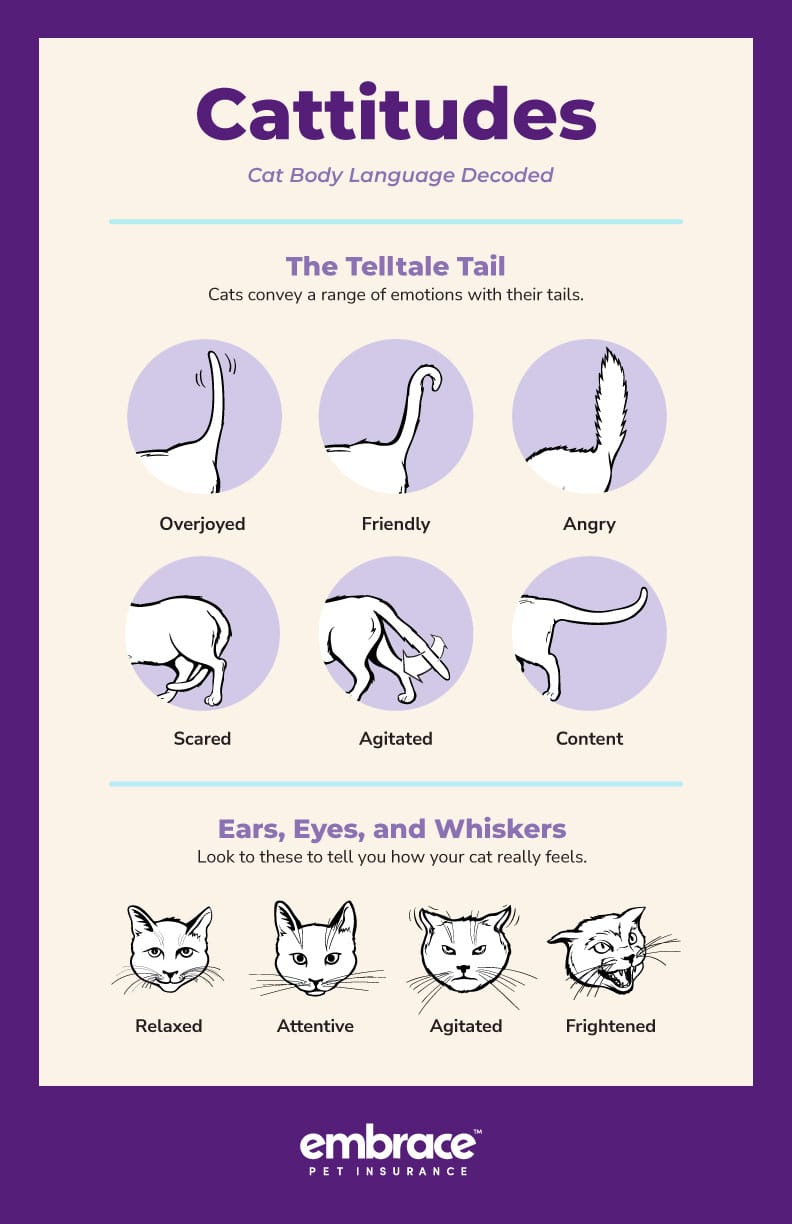
Cats, much like humans, possess a rich vocabulary, capable of producing up to 21 distinct vocalizations, and likely more. These sounds can be woven into complex phrases, offering insights into your feline companion’s needs, moods, and intentions. While breed variations exist, with some cats like Maine Coons being more reserved than chatty Siamese, understanding their vocal cues, alongside their body language, is crucial for any devoted pet parent. This guide delves into common cat sounds and their meanings, helping you to better connect with your furry friend.
The Spectrum of Cat Sounds
Meowing: The Universal Feline Call
Meowing is perhaps the most iconic cat vocalization, characterized by a distinct, high-pitched call. While kittens meow to signal their mothers, adult cats primarily use this sound to communicate with humans. The reasons behind a cat’s meow are varied: they might be greeting you, soliciting playtime, expressing excitement or frustration, or requesting something like attention, food, or access to a specific area. Understanding what cat meows mean is key to interpreting their desires. However, a change in meow pitch or duration, or an increase in frequency, could indicate underlying anxiety, boredom, frustration, or even illness, warranting a consultation with your veterinarian.
Purring: More Than Just Contentment
The low, continuous, and rhythmic sound of purring is often associated with feline happiness and contentment. However, it’s important to note that cats also purr when they are scared, sick, or in pain. To accurately interpret purring, it must be considered alongside the cat’s body language. Signs like flattened ears, dilated pupils, or a tense posture might suggest that the purr, in this context, signifies discomfort rather than pleasure.
Chirping and Chirrups: The Bird-like Call
A chirp is a short, high-pitched sound, reminiscent of a bird’s call. A series of chirps is known as a chirrup. Initially used by mother cats as a contact call for their kittens, adult cats may also chirp to attract attention and signal their location to others. One common scenario for chirping occurs when a cat observes potential prey, like birds or squirrels, that they cannot reach, often indicating a mix of excitement and frustration.
Trilling: A Soft, Amicable Greeting
A trill is a soft, higher-pitched sound, often mistaken for a purr. Cats frequently use trills as a friendly greeting and a way to express thanks to their human family members, perhaps after receiving a treat or a pet. It is one of the most common amicable vocalizations in a cat’s repertoire.
Chattering and Twittering: The Sound of Anticipation
Chattering, also referred to as twittering, involves a rhythmic clashing of the jaws, producing a low smacking sound. This vocalization is typically voiceless and often occurs when a cat spots inaccessible prey, similar to chirping, and signifies anticipation or excitement.
Growling and Hissing: Warnings of Discomfort
A growl is a low, rumbling sound that serves as a warning or a deterrent against a perceived threat. It can be directed towards humans, other cats, or animals. Growling indicates that a cat feels threatened, frightened, or is on the verge of aggression, often intensifying as their fear escalates. A hiss, characterized by a low, drawn-out sound produced by rapid exhalation, is often an involuntary reaction to a perceived threat. A hissing cat will typically have its mouth open, exposing its teeth. Both growling and hissing are clear signals that a cat is uncomfortable and wants space. These vocalizations are frequently accompanied by fear-related body language, such as an arched back, flattened ears, and a puffed-up tail. It is crucial to respect these warnings and give the cat space; attempting to pet or handle a growling or hissing cat can provoke aggression.
Spitting: An Intense Defensive Reaction
A spit is a sudden, short, explosive burst of noise, often coupled with a quick lashing movement. It is a more intense version of a hiss and, like hissing, is an involuntary response to a perceived threat or enemy.
Yowling and Howling: Signals of Distress
Yowling, a louder and longer meow, and howling, a similar but typically shorter sound, are significant indicators of distress in cats. This distress can be physical, stemming from pain or illness, or emotional, related to worry, frustration, boredom, or confinement. Elderly cats may yowl due to cognitive dysfunction syndrome (dementia), and frequent yowling when the family is absent could suggest separation anxiety. These sounds can also serve as territorial warnings to other cats or be associated with mating behaviors in unspayed or unneutered cats.
Caterwauling: Mating Calls and Expressions of Discomfort
Caterwauling is a loud, prolonged whine, often emitted by unspayed females in heat to attract mates. When directed at humans, it can signify pain, discomfort, fear, or a need for attention. Similar to yowling, it can also be a symptom of cognitive decline in older cats.
A fundamental principle to remember is that any change in a cat’s vocalizations—whether in frequency, intensity, duration, or pitch—should prompt a veterinary visit to rule out pain, illness, or anxiety. In some cases, veterinary intervention, including medications to manage anxiety or pain, may be necessary to address the underlying cause of persistent vocalizations.
Featured Image: iStock/Petra Richli
WRITTEN BY
Alison Gerken, DVM, DACVB
Animal Behaviorist
