
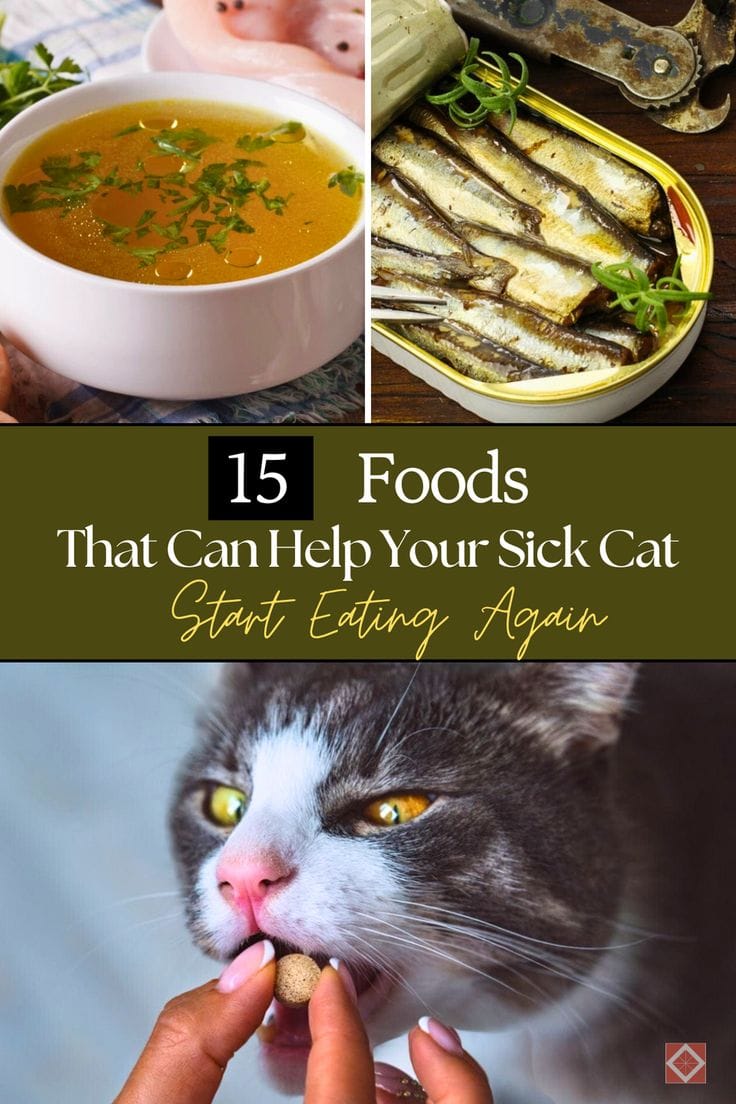
When your feline friend is under the weather, their appetite can significantly decrease, posing a serious health risk. Just as humans lose their desire to eat when unwell, cats can become dangerously uninterested in food. This guide provides practical tips and dietary strategies to help entice your sick kitty back to their food bowl.
Ensuring Adequate Hydration
Water is paramount for a cat’s survival, even more so than food. While cats can endure periods without eating, dehydration is a critical threat. Thankfully, many cats who refuse food will still drink water. Always ensure your cat has access to fresh water daily, and monitor their intake by keeping their water bowl separate from other pets.
If your cat isn’t drinking voluntarily, you may need to assist them. Gently squirting a small amount of water into your cat’s mouth with a syringe can help, but use this method sparingly as most cats dislike it. If this proves unsuccessful, your veterinarian may recommend intravenous (IV) hydration at the animal hospital.
Embracing Liquid Diets
Liquid diets offer more nutritional value than plain water and are crucial for maintaining hydration in sick cats. Many cats who struggle with solid food can manage liquid alternatives. Specialized liquid diet formulas for cats are available, designed for conditions like kidney disease (low-protein) or significant weight loss (high-calorie). Consult your veterinarian to determine the most suitable liquid diet for your cat’s specific health issue.
Alternatively, you can create your own liquid diet by pureeing your cat’s favorite foods or even baby food. This is particularly beneficial for cats experiencing swallowing difficulties or dental problems. Chicken soup or bone broth, prepared without seasonings, can also serve as a tasty and nutrient-rich liquid option, providing essential moisture and nutrients. It’s important to avoid milk in your sick cat’s diet, as its lactose and fat content can cause digestive upset in felines.
Irresistible Cat Treats and Food Toppers
To pique your sick cat’s interest, consider supplementing their usual food with enticing toppers. Sardines, tuna, unseasoned chicken, or gravy can stimulate their appetite. Cats are often drawn to strong-smelling foods, so choose pungent options or their favorite cat treats that they typically adore. Warming the food slightly before serving can further enhance its aroma.
It’s crucial to introduce these appetite stimulants in small, easily digestible quantities to prevent overwhelming a sensitive system and to facilitate a gradual return to normal eating habits. When selecting toppers, prioritize lean meat products. Cats primarily derive their nutrients from meat, and the fiber in fruits and vegetables, along with starches like rice and potatoes, can be difficult for a sick cat’s digestive system to handle. Avoid fatty meats for the same reason.
Exploring Appetite Stimulants
If your cat has lost its appetite, various appetite stimulants can be effective. Catnip is a well-known natural stimulant, but if it doesn’t yield results, prescription options may be necessary. Veterinarians commonly prescribe stimulants such as mirtazapine, cyproheptadine, and capromorelin. Mirtazapine and cyproheptadine work by influencing serotonin levels, while capromorelin mimics the body’s natural appetite-boosting hormone, ghrelin. Mirtazapine can be applied topically as a gel, while the others are available in liquid form.
For cats experiencing nausea, your veterinarian might prescribe maropitant citrate, which blocks the signals for queasiness and vomiting. This medication can be administered alone or with appetite stimulants and may be given with food or water in its tablet form.
When to Seek Immediate Veterinary Care
If your cat refuses to eat or drink anything, it constitutes a potential crisis requiring immediate veterinary evaluation. Even if your cat eats sporadically, it’s vital to understand and address the underlying illness. Your veterinarian can diagnose and treat the root cause, and if necessary, may insert a feeding tube to ensure your cat receives essential hydration and nutrition. We wish your feline companion a swift and full recovery!
